Degrees and Programs

Undergraduate Programs
Fordham offers more than 70 undergraduate majors, minors, and pre-professional programs. Each gives you the tools you need to think clearly, to debate effectively, and to find possible solutions for every problem.
Explore Our Undergraduate Programs

Graduate
Programs
Our graduate degree programs are marked by a strong focus on research, mentorship by respected faculty, and curricula that reflect the growth of new industries and current challenges facing the global community.

70+
Undergraduate Degree Programs
130+
Graduate Degree Programs
25+
Accelerated Degree Options
8
Schools/Colleges
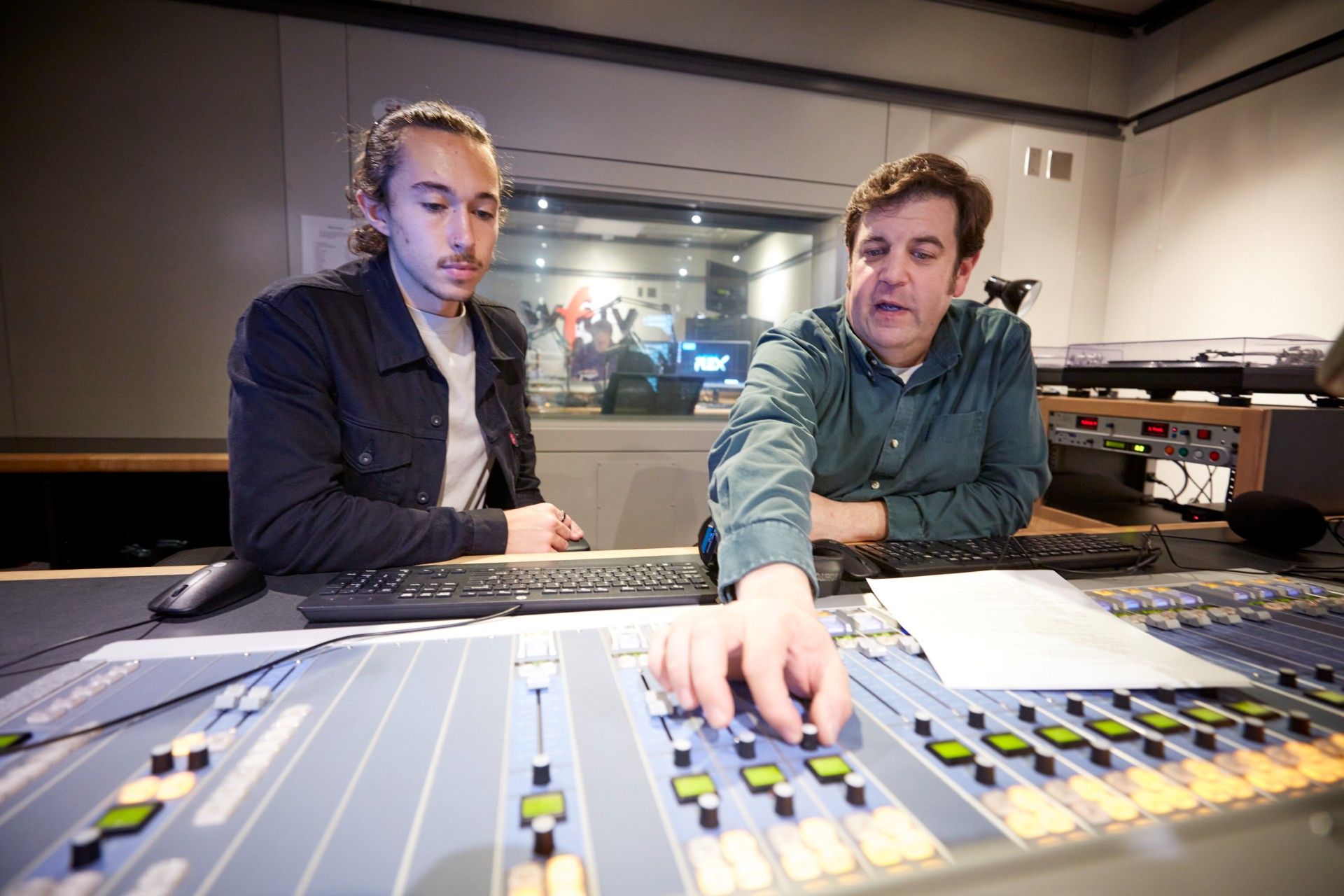
8 Schools. 3 Campuses.
Fordham is a stepping stone to the world, which you’ll find through endless opportunities in New York City.
- Fordham College at Lincoln Center
- Gabelli School of Business
- Graduate School of Education
- Graduate School of Social Service
- School of Law
- School of Professional and Continuing Studies
- Fordham College at Rose Hill
- Gabelli School of Business
- Graduate School of Arts and Sciences
- School of Professional and Continuing Studies
- Graduate School of Social Service
- School of Professional and Continuing Studies

‹
›