Meet the Palliative Care Fellows 2019–2020
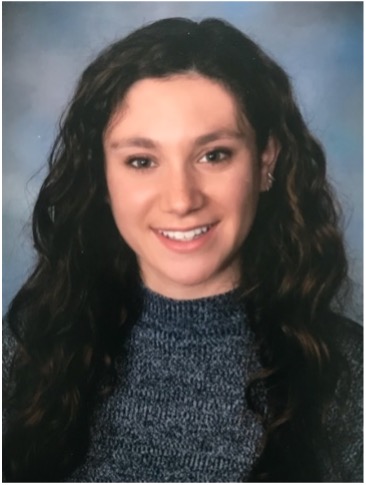
Internship: MJHS, New York, NY
I began my journey into the helping profession at a young age. Volunteering with older adults and helping at Meals on Wheels showed me how much I wanted to support others. I was drawn to making an impact on a personal level. Throughout my time at Ithaca College, I gained experience in different long-term care settings. Seeing how isolating old age can be, I knew I wanted to help older adults achieve a better quality of life. I graduated with a degree in Aging Studies and a minor in counseling and entered Fordham’s Master of Social Work program. When I heard about the Palliative Care Fellowship, I was eager to pursue this opportunity to learn how to provide social work services to patients and families experiencing chronic illness.
My field placement was at MJHS Hospice. Community hospice allowed me to visit my patients in multiple settings - at home, nursing homes, and hospitals. I was placed on an interdisciplinary team that included, a doctor, nurses, social workers, and chaplaincy. Working with professionals on a healthcare team taught me how to present cases effectively, communicate, and find solutions. I provided case management for patients, assisting them with insurance, medical care at home, and food and housing insecurities. I supported patients and families with advance directive and funeral planning, coping with grief and serious illnesses, life review, and bereavement.
Working in hospice, each day is different. Every patient has unique medical, psychological, social, spiritual, and cultural needs that impact their care goals. Using the person-centered approach to care enabled me to gain a special awareness of each individual. It was humbling and a privilege when patients allowed me into their homes to work with them while dealing with end of life issues. The ability to create change at this stage of life dramatically impacts a patient and their family.
The Palliative Care Fellowship was an important part of my growth experience and helped me identify the specialty in social work about which I am most passionate. I am excited to start my career in Palliative Care after graduation because the Palliative Care Fellowship had such an impact on me. Today, I have a new appreciation for time in life.
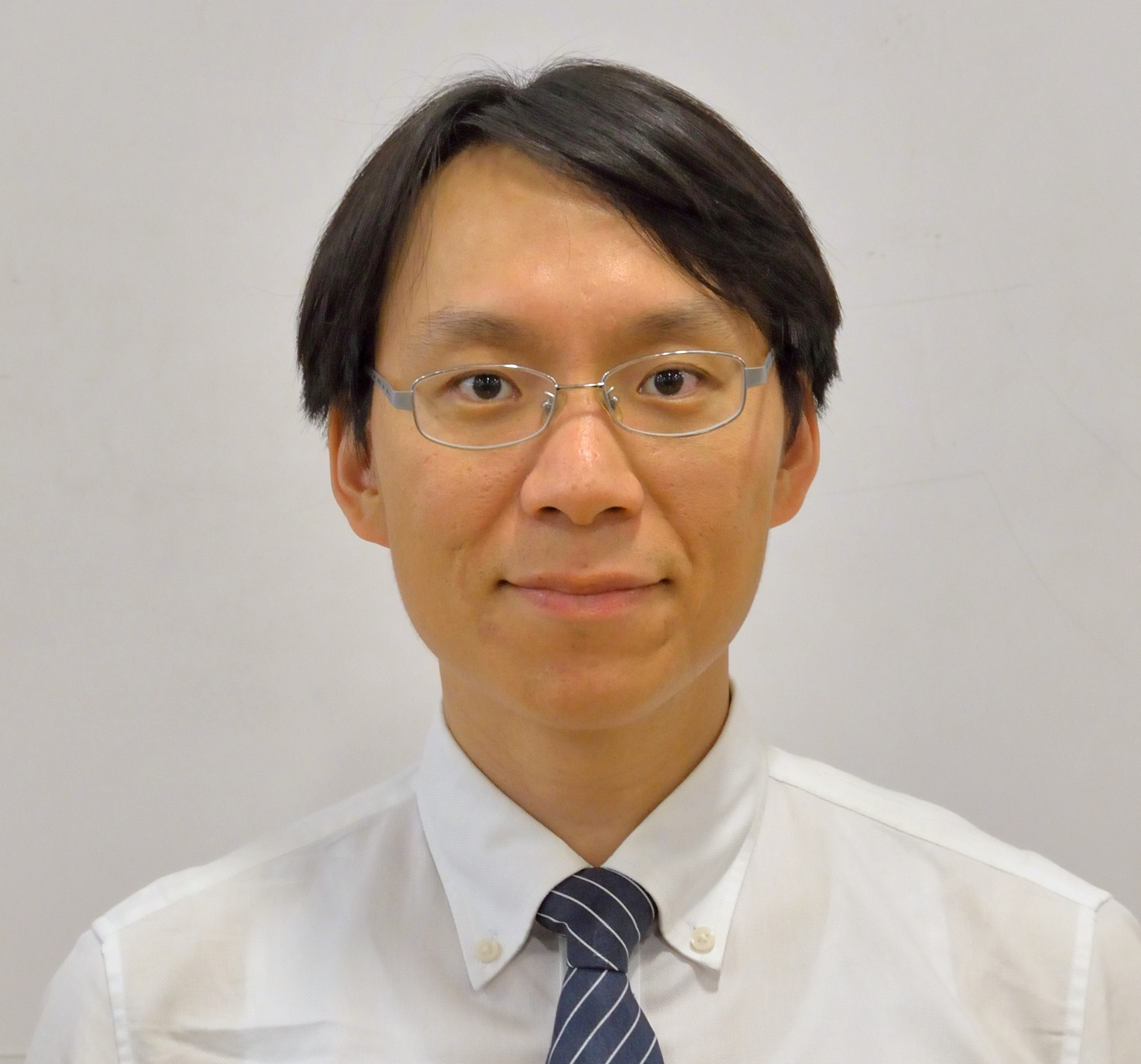
Internship: St. Mary’s Hospital for Children, Palliative Care Program, New York, NY
Making a career change is not easy for an immigrant, like me, who speaks English as a second language. For ten years, I worked as a reporter in ethnic minority media companies, giving voice to members of immigrant communities. My extensive volunteer work in hospitals and nursing homes further helped me explore the unmet health care needs of immigrants, especially those who suffer physically, emotionally and socially, across all stages of illness. The birth of my twins in 2018 strengthened my determination to serve patients in this country that I love, and the Palliative Care Fellowship at Fordham University opened the door to fulfilling my dream of serving patients with serious illness.
I am deeply grateful to be placed at St. Mary's Hospital for Children under the supervision of Marianne Muzic-Lucenti. St. Mary's was recognized for developing the nation's first pediatric palliative care program, and Marianne is well known for her expertise in providing comfort to children with life-threatening illnesses. My work at St. Mary's involves taking a holistic approach to assist children and families in fulfilling their goals, and to maximize the child's quality of life. Even though pediatric palliative care can sometimes be emotionally draining, it is also incredibly rewarding. It allows me to learn from patients and their families about building resilience in the face of life's challenges. My supervisor also helps me stay focused on connecting with patients by providing companionship and respecting the family's cultural values. I will forever remember the night Marianne stayed by the bedside of a dying child for six hours, until midnight, and how appreciative the family was for the companionship.
My dream of working with palliative and hospice patients would not be possible without the support of faculty members, alumni and field mentors in the Palliative Care Fellowship program. Even though the COVID-19 pandemic has disrupted many regular aspects of life, I am extremely grateful for the referrals I received from professors and friends who are working in palliative care. I am looking forward to providing the best hospice and palliative care possible to patients.
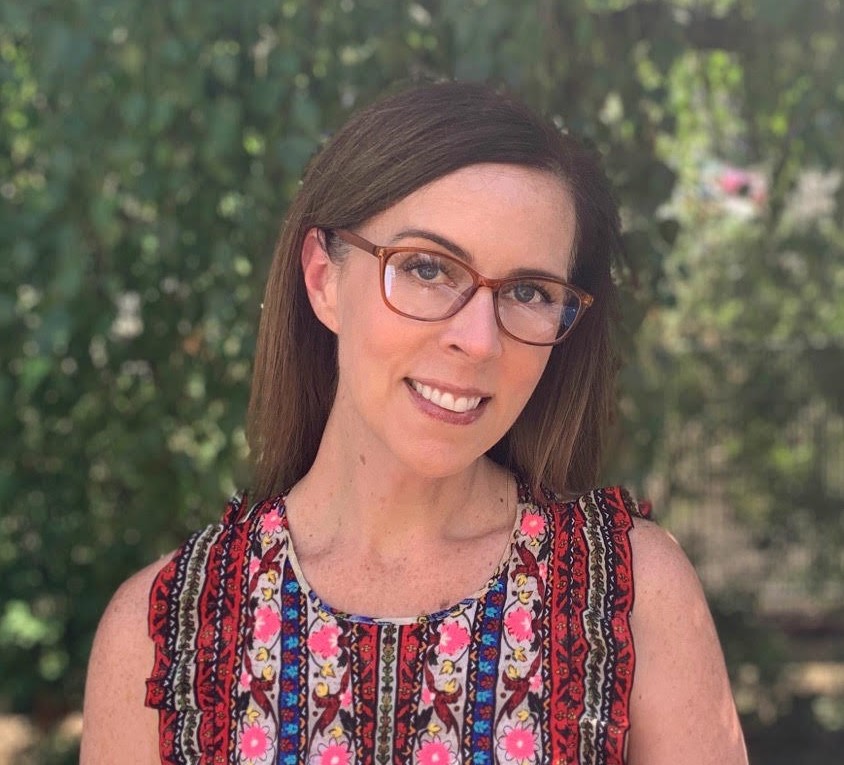
Internship: Cancercare, New York, NY
As a cancer survivor myself, I entered the field of palliative care believing I had a clear understanding of the needs of cancer patients. What my internship taught me was that there are so many variables that can impact an individual’s experience with illness. By working on the Cancercare hotline, I began to grasp the significance of healthcare and how it impacts health outcomes.
Working in palliative care can be emotionally arduous. Having the support of the Palliative Care Fellowship was so crucial in helping me find balance and normalizing the feelings I was experiencing. I began to look forward to our monthly meetings with Dr. Berkman and the other Fellows where I can discuss my work with people who unde rstand. The guidance, support and internship provided to me by the Fellowship have had an enormous impact on my commitment to pursue a career in palliative care.
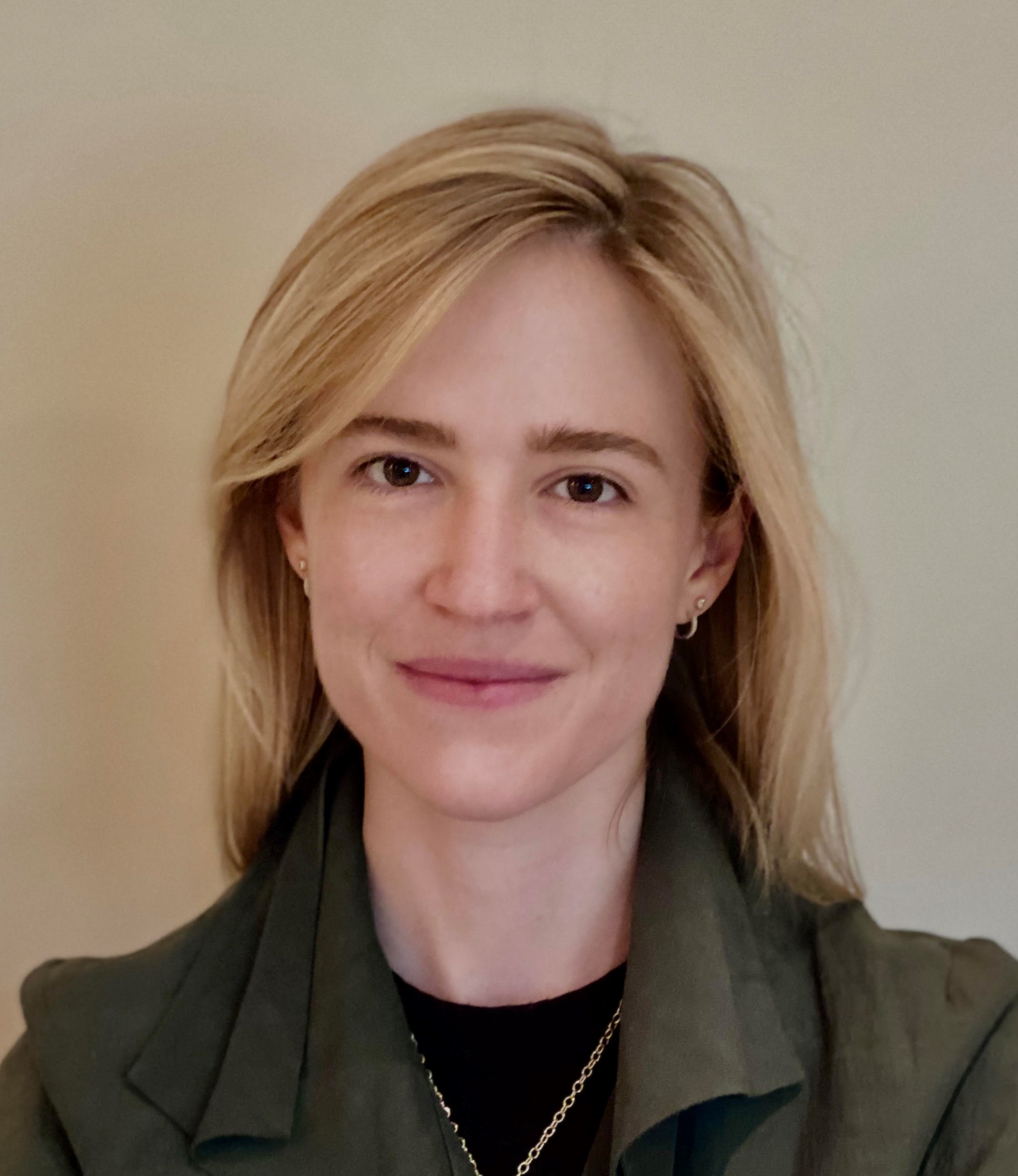
Internship: Memorial Sloan Kettering Cancer Center, New York, NY
I’m Kate Moyer, a Palliative Care Fellow at Fordham interested in the relationship between palliative care, design and ethics. I’m also particularly drawn to the use of art to explore the social/emotional narratives of individuals diagnosed with a terminal illness.
What I appreciate most about the Palliative Care Fellowship is the community of other students, professors, and social workers that have been available for collaboration, support and feedback.
My specialist year field placement is at Memorial Sloan Kettering Cancer Center where I found it deeply meaningful to provide psychosocial support to patients and their families who are living with cancer, in both inpatient and outpatient settings.
One of the most formative aspects of my social work education and field experience was learning the ways in which clinicians can apply a palliative care framework to a range of settings and circumstances. Because every person deals with pain to some degree – whether it be psychological, social, physical, spiritual or environmental – the Palliative Care Fellowship and the MSK internship have been invaluable learning opportunities.
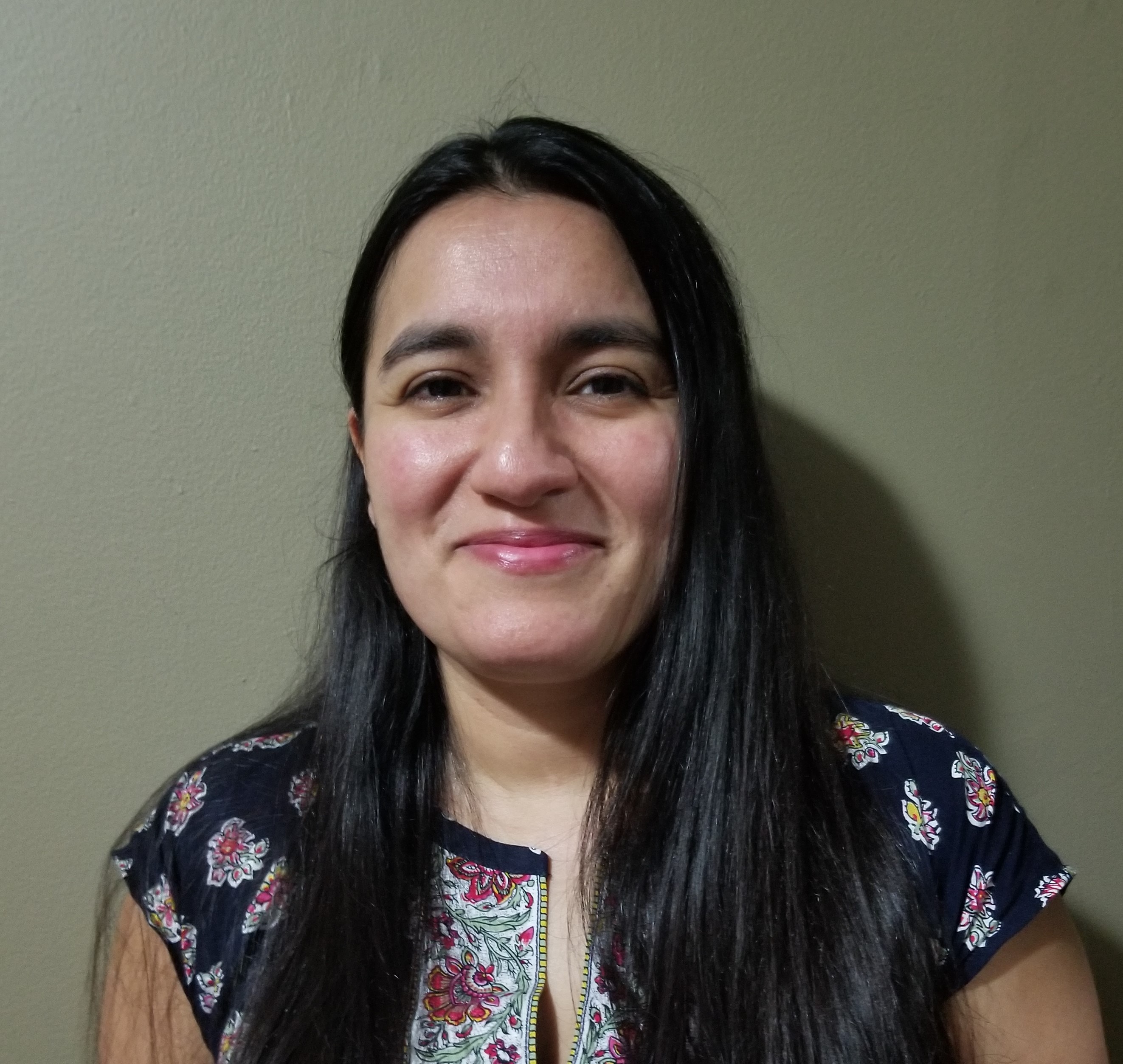
Internship: Montefiore Medical Center, Palliative Care Service, New York, NY
After graduating college, I worked with patients with chronic illnesses, but it was a personal loss that led me to my career goal decision of entering the field of palliative social work. I was introduced pal liative care when my mother was diagnosed with ovarian cancer. It was via that referral that I was able to see firsthand the impact that the palliative care team, and specifically, the palliative social worker, had - not only on the patient, but also on the patient’s family. I am grateful to that palliative social worker, because she made such a difficult process easier. Every time either my mother or I spoke to her, she would make us feel at ease and would help us navigate such a hard time through supportive words, explaining medical options and more importantly, helping my mom. It was at that point I knew that I wanted to help others going through similar circumstances as I had.
I was excited to hear that Fordham had a Palliative Care Fellowship and so I decided to apply. I knew that being accepted as a Fellow would help me develop the skills needed to be a palliative social worker. I am grateful to the Fordham Palliative Care Fellowship because it allowed me to grow as a student and as a clinician. But, most of all, it validated for me that the field of Palliative Care is where I wanted to be. It helped me understand that the disease does not define the patient and that we need to see past the illness and see the patient as a whole individual with strengths. I also learned how palliative social workers are not only there to support the patient, but also their family.
I was fortunate to get my internship on the Palliative Care Service at Montefiore Medical Center in the Bronx, where I was born and raised. My internship provides me with the opportunity to be part of an interdisciplinary team, to provide services to patients and their family members that include emotional support and individual and family counseling. I have gained skills in running a family meeting, where goals of care are discussed, helping with advance care planning, and learning how to work in a fast-paced environment. But, the most rewarding aspect is the opportunity to educate Latino patients and their families about palliative care in their native language. The Fordham Palliative Care Fellowship prepared me to be a palliative social worker and for that I will always be grateful.
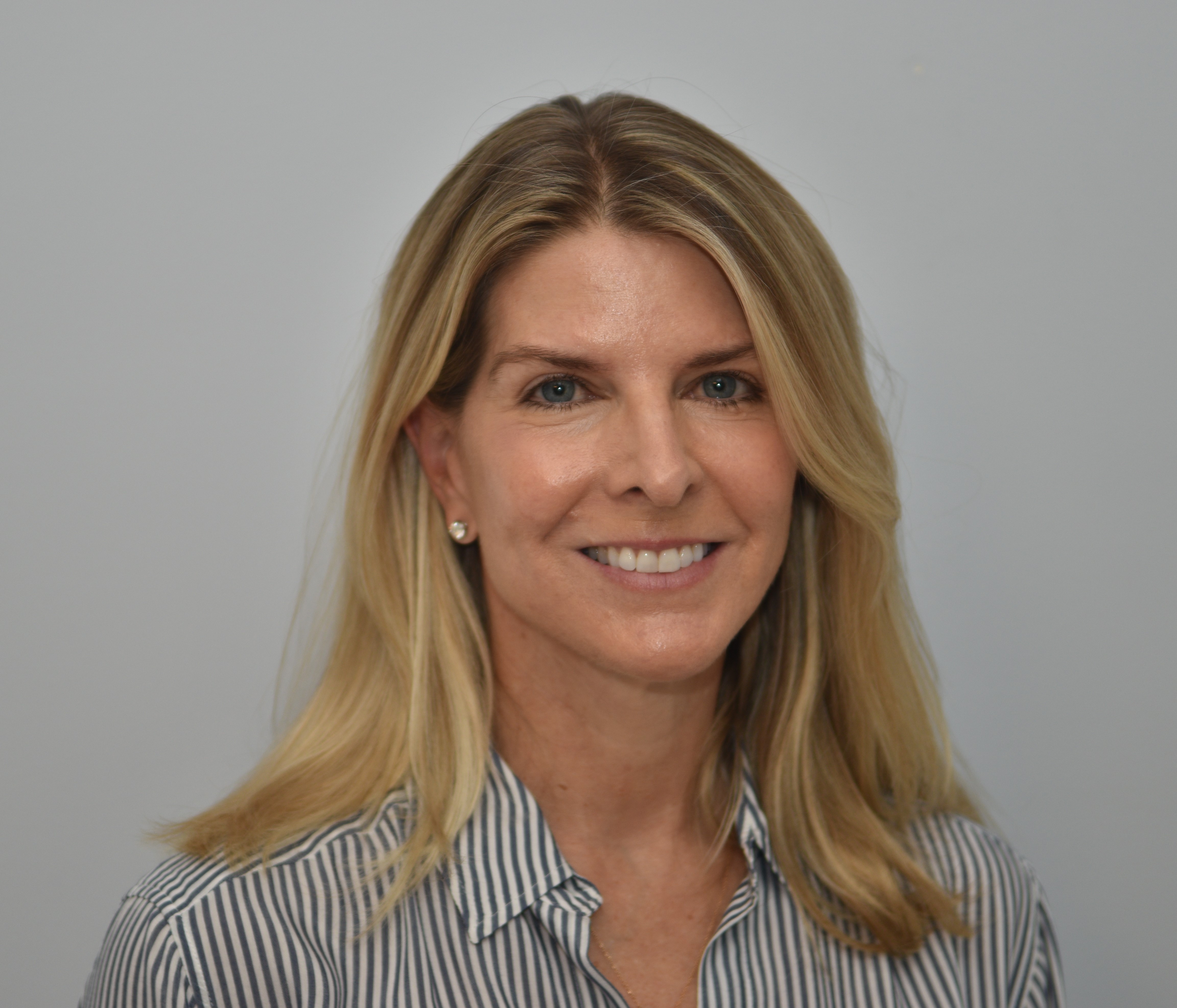
Internship: Mount Sinai Queens, New York, NY
My journey to becoming a palliative social worker began years ago when a desire to make a difference in people’s lives led me to complete a master’s degree in general psychology. After graduating, I worked as a researcher for an NIH-funded study of adolescents to identify risk factors for schizophrenia. An opportunity to move to London precipitated a career change, and for severa l years I worked in magazine publishing. Although it was exciting, I missed the feeling of serving others that had initially drawn me to psychology. While taking time off from the workforce to raise my children, I became a volunteer program leader of a church-based initiative that trains parishioners to provide emotional and spiritual support to persons in crisis. I worked with older adults dealing with chronic illness and counseled others grieving the loss of loved ones. Being part of a program that provided caring support to people entering their final years of life was extremely rewarding. I returned to Fordham to pursue my MSW with the initial goal of becoming a geriatric social worker.
My Generalist-year field placement was in a skilled nursing facility where I learned the critical role that social work plays in creating an environment that holistically treats the resident, emphasizes residents’ strengths, and promotes dignity and self-determination. Many of the residents chose palliative care and hospice care, which allowed them to guide their destiny at the end of life. Saying goodbye to residents when they passed away was difficult, but there was comfort in knowing that their wishes had been honored and that their suffering was minimized. After this experience, I was excited to learn that Fordham is one of five schools in the country offering a program that prepares MSW students to specialize in palliative care. I was thrilled to be accepted into the Palliative Care Fellowship.
My Specialist year field placement at Mount Sinai Queens gives me the valuable experience of working with a close-knit inpatient palliative care team comprised of a social worker, physician, nurse practitioner, and chaplain. We consult with patients from diverse backgrounds, facing a range of serious illnesses at varying points in their disease trajectory. I am gaining experience in conducting comprehensive biopsychosocial assessments to understand the patient’s strengths, concerns, support systems, values, and cultural background. A common thread I see in these patients is that the hospitalization presents a serious crisis requiring them to make sense of a life-threatening illness while navigating an unfamiliar and complicated hospital system. Patients and their families are often confronted with making high stakes decisions such as whether or not to choose aggressive medical procedures, which may extend life at the cost of severe functional impairment. As part of the team, I work with patients and families to explore their unique values and goals for end-of-life care as they weigh the risks and benefits of the options available to them. Being able to provide this support at such a pivotal time in their lives is humbling and fulfilling.
Palliative social work is rewarding and challenging work. The Palliative Care Fellowship provides excellent mentorship from leaders in the field, targeted academic training, and the opportunity to complete an internship in an exceptional learning environment. I am forever thankful for the solid foundation the program has given me to launch a successful career in palliative care.