Meet the Palliative Care Fellows 2020–2021

Internship: HealthAlliance Hospital Oncology Support Program, Kingston, NY
I first became aware of palliative care while researching a paper on barriers to hospice. I learned that, much like hospice, palliative care is chronically underutilized. That’s not all the two philosophies of care have in common; they overlap so much, in fact, that they are frequently conflated, which poses a challenge for palliative care. Whereas most people have a largely accurate sense of what hospice entails - and the profound implications of its criteria - far fewer realize that palliative care can and should begin at diagnosis of any serious illness, supplementing not only end-of-life care, but curative treatment as well. This gap in awareness contributes to a great deal of needless suffering, and few professions are better suited to address that gap than social work.
One of the things that drew me to social work is the breadth of skills we are called upon to use, and palliative social work seemed to require nearly all of them. I was thrilled to be accepted as a 2020-21 Fordham Palliative Care Fellow and was very lucky to intern at HealthAlliance Hospital Oncology Support Program in Kingston, NY. The pandemic created unexpected challenges, but I have been fortunate to remain in-person this year, giving me the opportunity to work with clients at every stage of their cancer treatment. I have facilitated and co-facilitated online support groups, the variety of which speak to the different ways serious illness is experienced, and how those experiences reverberate throughout families. I have met people at the infusion center, only days into their diagnosis, as they struggle to make sense of their new reality; I have also sat with end-stage cancer patients as they consider the transition to hospice care. It is humbling to be invited into these spaces, and if I have been of any service, it is to the credit of my incredibly supportive field supervisor, my instructors at Fordham, and the many resources to which I have had access through the Fellowship.
Palliative care takes place in a variety of settings, and one of the many benefits of the Fellowship is the extent to which we are all able to learn from one another’s experiences. Whether we are placed in hospital, outpatient, residential or in-home hospice settings, the Fellows are afforded a window into the opportunities and challenges unique to each. The support I have been able to receive from (and, hopefully, provide to) the other Palliative Care Fellows has been a crucial piece of my learning this year. That support extends beyond our own group, as Alumni Fellows remain connected to the program and available for guidance and mentorship moving forward. Fordham’s Palliative Care Fellowship is a community I am proud to be a part of, and that has positioned me to pursue work that I find truly meaningful.
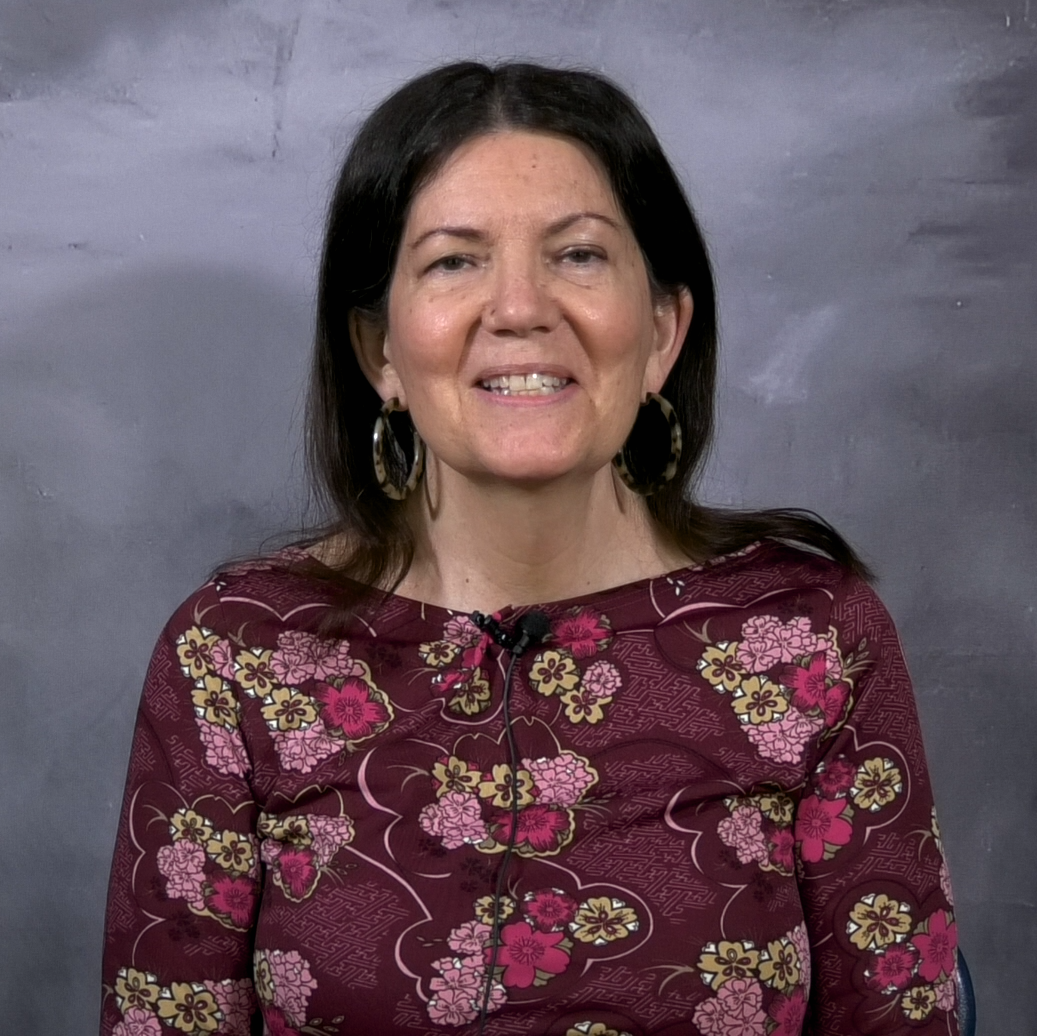
Internship: MJHS Hospice and Palliative Care, New York, NY
My interest in end-of-life and palliative care has been a long and sometimes meandering path. It began over 20 years ago with the death of my father. I was able to come home to New York for an extended period of time to help my mother take care of my father who had never fully recovered from heart surgery and was in a steady decline. This was my first experience with end-of-life care and I developed an appreciation for both the difficulty of the work and the beauty of it. I felt fortunate to be able to share such an important time with my father. When he died, a time I had dreaded for much of my life, I found the experience to be profoundly meaningful and uplifting, even amid this deepest of sorrow. That was the start of what I did not understand at the time, was a desire to work around death and dying.
Several years later, I had two other experiences working with people with a terminal diagnosis that helped cement that desire. With the first, a work colleague, I felt incapable of helping her to have some quality of life before she died. She was struggling with the prospect of her imminent death and I was struggling with my limited skills at that time to know how to help her. But I knew there had to be a better way and I was determined to learn. I soon found myself working with a client diagnosed with a terminal cancer and became immersed in that world, researching treatments and helping to develop a website for her loved ones to get updates and to learn more about her illness. I saw the wisdom and beauty that could come from facing one’s mortality, which in turn, led me to find more meaning in my own life. I was developing what I could only describe as a calling for working with people at the end of their lives.
I completed an End-of-Life Doula training and discovered others with a similar calling. It was quite an epiphany for me to finally discover work I could feel passionate about. As an older student returning to school, I have held many jobs in varied fields, but never seemed to find work that could fulfill and sustain me. After a few more years of working with a life coach, a therapist and doing some intensive soul-searching, I decided to go back to school for my MSW degree. I was not aware of the Palliative Care Fellowship when I decided to attend Fordham, but was thrilled to hear of its existence. I knew that having the opportunity for a field placement in palliative or hospice care would be invaluable in my pursuit of this work. At my internship at MJHS Hospice and Palliative Care this past year I worked in the community doing home visits. Doing this work during a global pandemic was incredibly challenging. There were days when I doubted whether I could keep making these visits, but inevitably, once I stepped inside my patient’s homes, it reinforced the reason I was doing this work and even energized me. I often think I gained more from my patients, their families and their caregivers than I could ever have given to them.
The mentoring, workshops, the coursework (Palliative Social Work; and Grief, Loss and Bereavement), and the steady support of Dr. Berkman and the other Fellows throughout this Palliative Care Fellowship have been priceless. This Fellowship has helped to get me firmly on the path I was destined for, even if it took me many years to get here. It is sometimes hard to convey to others why I am passionate about this work that can seem sad and depressing to many. But working with people who are facing their mortality or dealing with life-limiting illnesses can be strangely life-affirming and gives one an appreciation of life in all its messiness and glory. To me, it supplies the meaning and sustenance I have been in search of for much of my life.
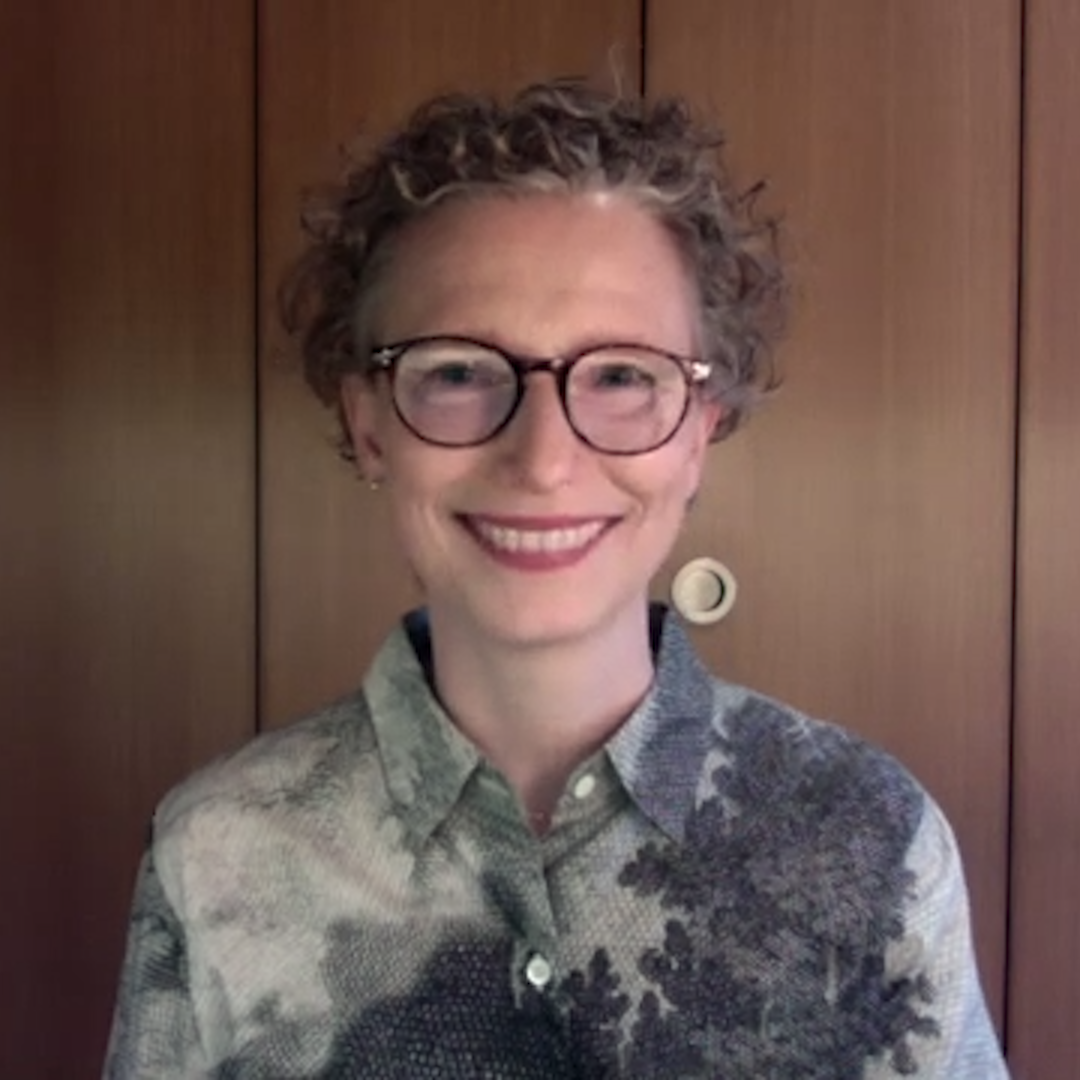
Internship: MJHS Hospice and Palliative Care, New York, NY
I chose social work because it seemed that there were many ways to be of service with this degree. In my Generalist Year, I worked at SUNY Maritime College, counseling undergraduate and graduate students. I thoroughly enjoyed working with this age group, but I was not convinced that this was for me. During that first year, I attended a presentation given by Dr. Cathy Berkman on the Palliative Care Fellowship Program. I was intrigued. I had little knowledge about palliative care and no experience working with people who were terminally ill or dying, but I was interested in learning more. So many people are uncomfortable talking or even thinking about death and dying -- to support patients and families at this very vulnerable time in their lives, helping them come to terms with their mortality, touched me deeply.
The Fellowship program is carefully designed to help you learn and thrive in palliative care, hospice, and closely related settings, and because it is a small program, one grows close to the other Fellows. The field work can be very intense at times, so to have their understanding and support, as you support them in turn, is essential. These are connections that I hope will last a lifetime.
My Specialist Year was an amazing journey. I was placed with MJHS Hospice and Palliative Care, working in the Bronx as a hospice social worker. I visited patients both in the community and at two separate nursing homes. I provided patients and their families with psychosocial and emotional support, conducted initial assessments, had advance care planning discussions, reviewed Goals of Care, encouraged funeral planning, and helped with anticipatory grief and bereavement. During weekly interdisciplinary team meetings, I collaborated with nurses, other social workers, a chaplain and a physician, presenting progress updates on my patients. As a social worker on the team, I was there to advocate for the patient and their family and to make sure that their wishes and goals of care were heard and honored.
This year has been both challenging and fulfilling. During the pandemic, when nursing homes were on lockdown, at times I was the only visitor patients were allowed to see. It was truly gratifying to be a link for the families, to ensure a continued connection between them and their loved one, and to be the family’s eyes and ears.
One of my favorite aspects of meeting a new patient and their family was learning about the patient’s life history -- who they were and how they lived, what type of work they had done, and what they enjoyed. When one is meeting someone who is in hospice, one is seeing them at the end of their lives, so it is important to get a picture of who they are and the life they lived. Even if a patient is bedbound and unable to put two words together, it is important to see and treat them as a whole person.
Working with people who are in the last few months of their life has been both profound and humbling. I have learned a lot from my patients: to trust what I am hearing, to pay close attention and, most importantly, to be present.
The Palliative Care Fellowship, especially my field placement, has given me both the tools and the confidence to continue working in palliative care. I know I can make a difference by helping those who are at the end of their lives to die in peace and with dignity.
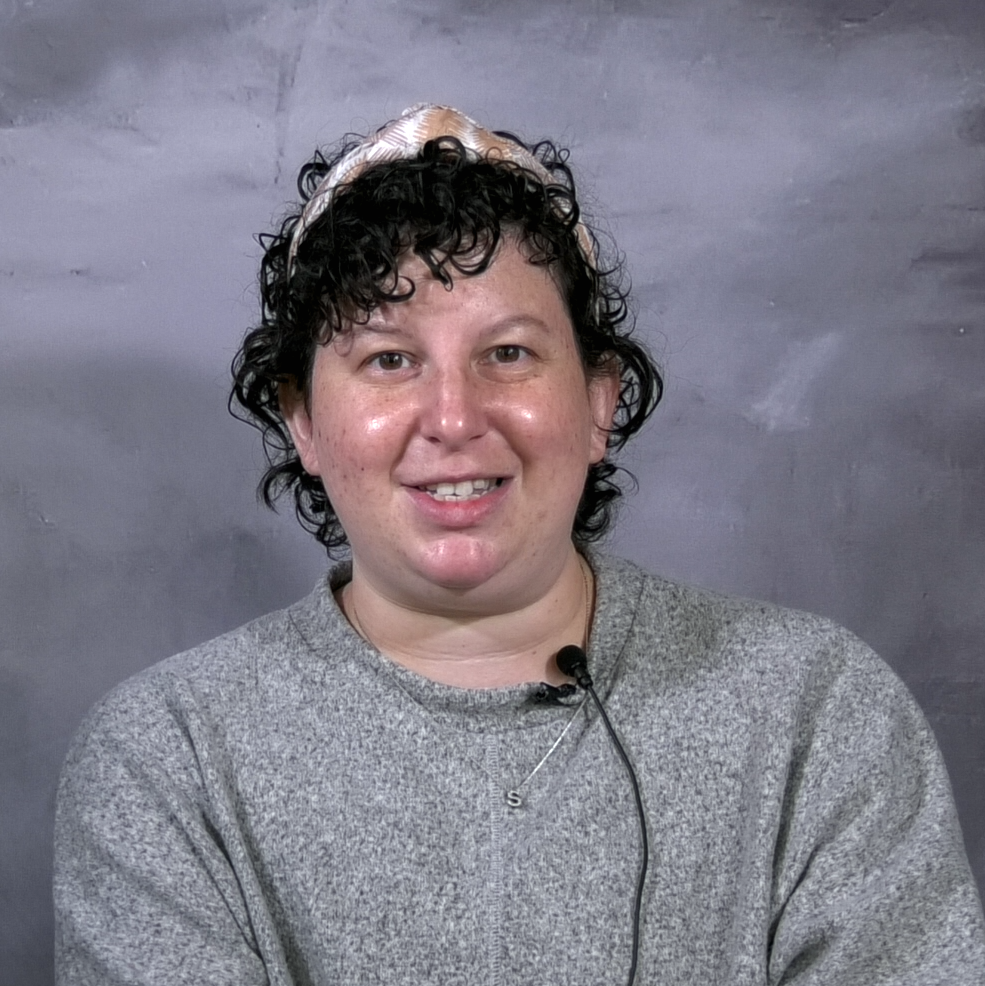
Internship: Cancercare, New York, NY
Samantha Idan accepted a position at Mount Sinai Hospital upon graduation.
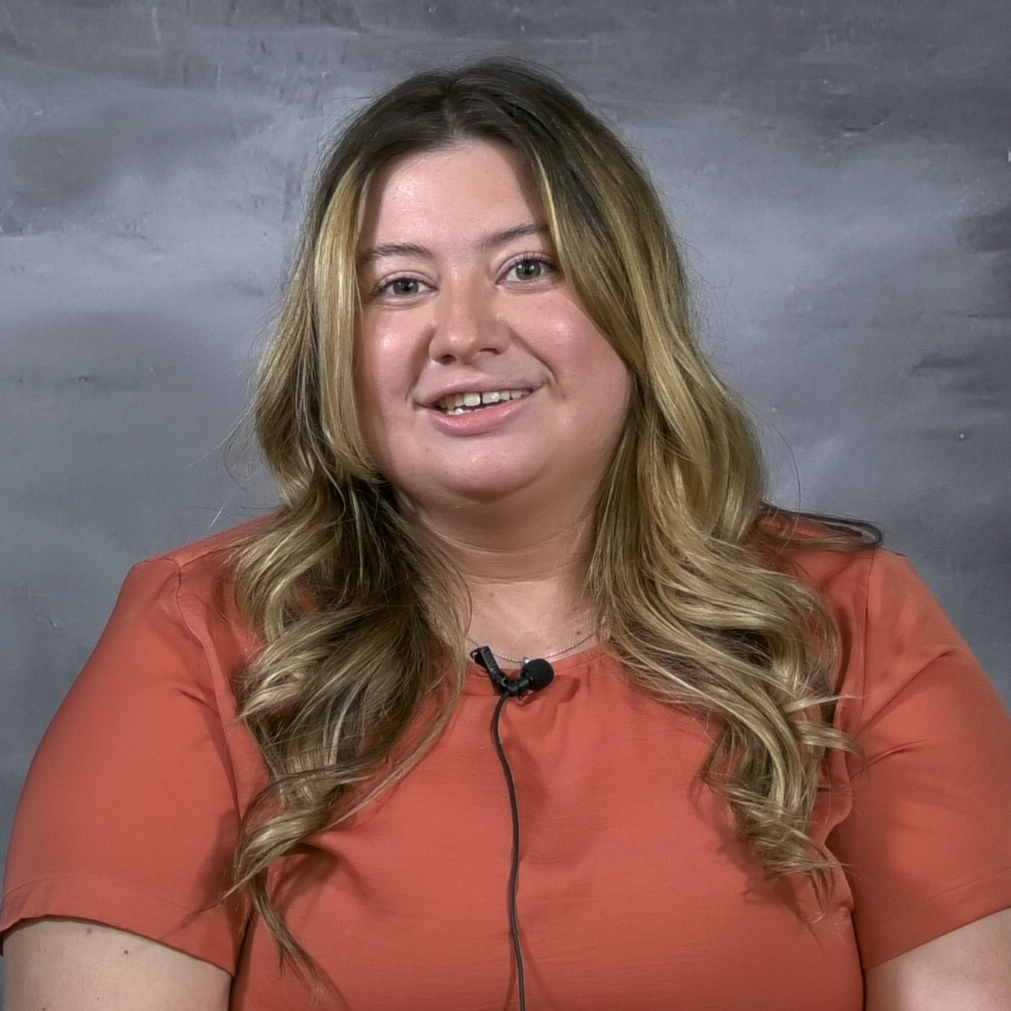
Internship: Calvary Hospital, Bronx, NY
I had always pictured myself in a helping profession. However, I did not always know exactly what I wanted to be. During my undergraduate studies, I decided to minor in social work, but I was unsure of what area of social work I wanted to pursue. By the time I had finished my degree, I was hesitant to continue on the path of social work. Uncertain of what was next, I applied to volunteer with the Jesuit Volunteer Corps Northwest (JVCNW). Through JVCNW, I was introduced to the world of palliative care and hospice. I was offered the opportunity to move to Seattle to volunteer with Providence Hospice of Seattle on their Palliative Care Transitions Program. While I did not work in the capacity of a social worker, I was able to work with a team to provide clients with emotional support and practical assistance. During my time in Seattle, I realized what area of social work I was passionate about: palliative and end-of-life care.
After my time with JVCNW, I decided to apply for an MSW program to focus on palliative care and hospice. I was thrilled to learn about Fordham's Palliative Care Fellowship because I felt that the program aligned with the goals that I was hoping to accomplish while attending Fordham.
While attending Fordham, I have worked with patients affected by illness, disability, poverty, trauma, and for some, generational cycles of those challenges. I learned how to work with patients and families with various emotional and communication styles and look at the big picture to determine the best way to reach their care goals. Having the opportunity to intern at Calvary through Fordham University's Palliative Care Fellowship has reinforced that this is the field for me. My experiences throughout my final year at Fordham University helped me learn and grow in a safe environment to build my confidence as a social worker. I am beyond thankful for all the doors that this fellowship has opened for me. While it is hard to say goodbye, I am excited about my future career and being accepted as a post-MSW Palliative Care Fellow at the Bronx VA.
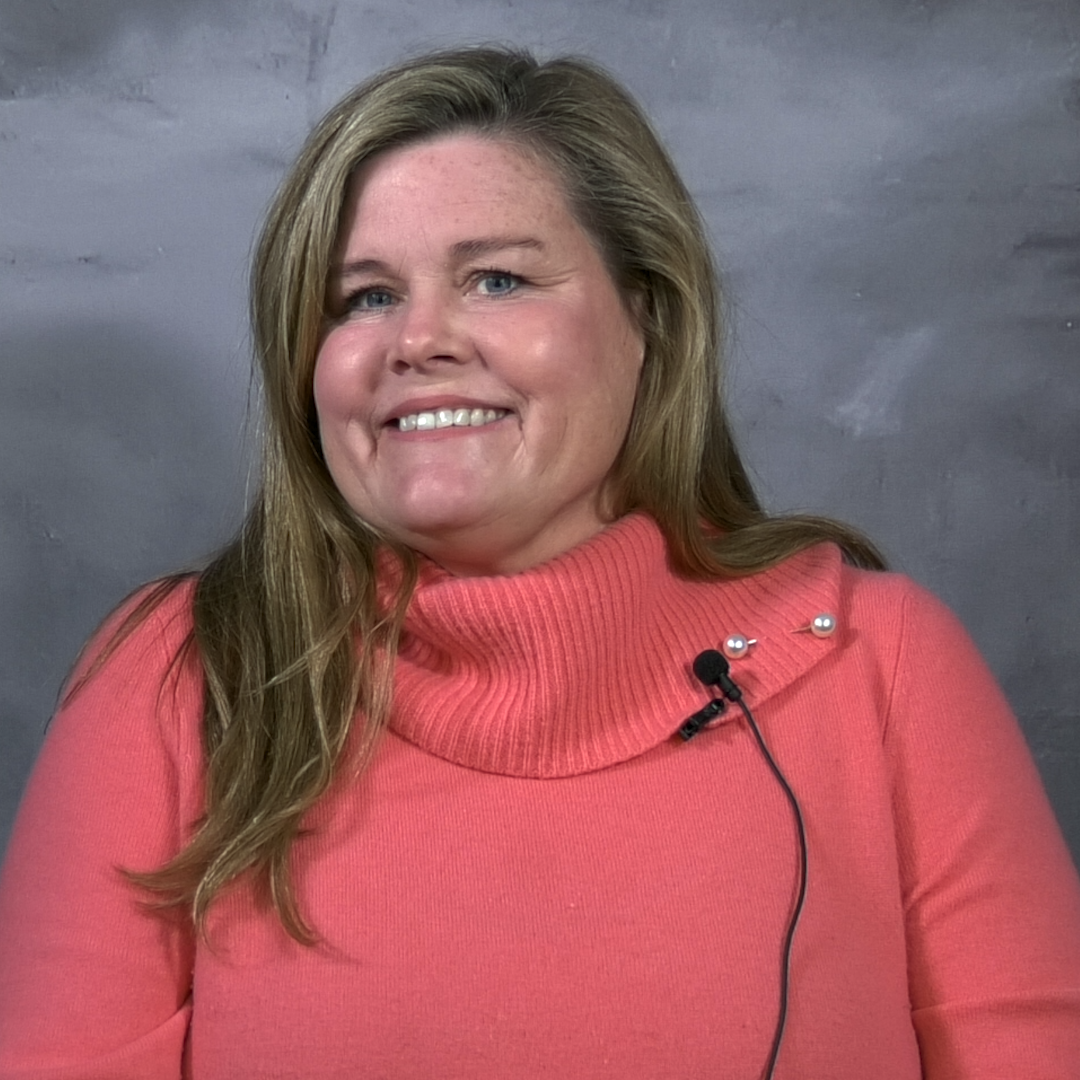
Internship: Danbury Hospital, Palliative Care Service, Danbury, CT
I believe my interest in a career in palliative care began during my undergraduate years at Duke University, where I studied Human Development and Gerontology. It grew during my twenties as I cared for my mother after a life-limiting stroke, during my later training as a hospice volunteer. I came to understand and recognize the need for better communication between healthcare teams and families experiencing serious diagnoses, illness, and end-of-life issues. The interdisciplinary family meetings that we took part in about my mother’s condition, her prognosis, and treatment choices were very influential in my interest in a career in palliative care. Although I had other meaningful jobs, my previous experiences had planted the seed. There was always a quiet yet mighty voice in my heart urging me to return to school for an MSW and to take on a more active and influential role in supporting patients and their families in making meaning and empowering them in decision-making during illness. I wholeheartedly respect how the patient and family wish to live their lives wherever they are on an illness continuum, and I want to assist them in having their wishes and goals met. I am forever grateful that I went to Fordham for my MSW and was introduced to the Palliative Care Fellowship.
The Palliative Care Fellowship has made my academic experience at Fordham rich and robust and made it abundantly clear that palliative care is the right choice for me. I am very excited to take on a leadership role in this field one day and feel that it is a perfect fit for me, utilizing my unique gifts and talents. My field placement was on the Palliative Care Team at Danbury Hospital and has highlighted the growth potential for all patients, even in the face of life-limiting illness. It has fed my soul and further ignited my passion for this important and holy work. I had the opportunity to apply what I have learned in the classes that I took as part of the Fellowship in Palliative Social Work and also Grief, Loss, and Bereavement. I have seen how interactions and communication during serious illness and, especially at the end of life, are poignant, meaningful, and authentic. It has been a privilege and an honor to work on the interdisciplinary team and help patients and families understand their emotions around their decisions and help in working through their grief processes, hopefully leading to more resilience. I was able to learn so much.
I learned extensively from the guidance and mentorship of Dr. Cathy Berkman and my career mentor Dr. Myra Glajchen. The monthly Fellowship lunches were vital in sharing experiences, hearing from Alumni Fellows, and introducing us to the different practice settings in the field. I have been so grateful for our Field Seminar and the support of the other Fellows and our advisor, Sarah Wichman. We all became more confident being able to lean on one another for support and ideas in dealing with complex situations in our placement. This was never more important than during this pandemic year, and we were able to have many laughs as well.
Over the year, I became increasingly confident that I found my voice and added value and insight to the Palliative Care Team and to beneficial and essential conversations with patients and families. With my experience, presence, and passion, nothing has been more valuable to me than helping them and learning from them as they make meaning of their struggles in addressing their physical, emotional, and spiritual needs. At the same time, I realize how much more I have to learn.
I am eager to continue my education and training in Palliative Care. I am thrilled and excited to have been chosen for a post-MSW Fellowship in Palliative Care at MedStar in Washington, directed by Anne Kelemen. I have learned so much from working on an interdisciplinary palliative care team at Danbury Hospital and am now excited to be training alongside the other Fellows in medicine, nursing, and chaplaincy. I will have the opportunity to rotate through the different training sites and experience how palliative care is delivered in various settings with different patient populations. I am excited to work Anne and the other social workers at Medstar, and the opportunity to pursue research on communication and language power in working with patients and families. I am also particularly interested in the caregiving experience and in reducing moral distress for family members. I not only want to become a skilled clinician, but I also want to contribute meaningfully and valuably to the development and recognition of social work as an important member of the palliative care team. The opportunities are endless, and I am so excited for this exciting next chapter to begin and so thankful for foundation I received as a Palliative Care Fellow at Fordham.
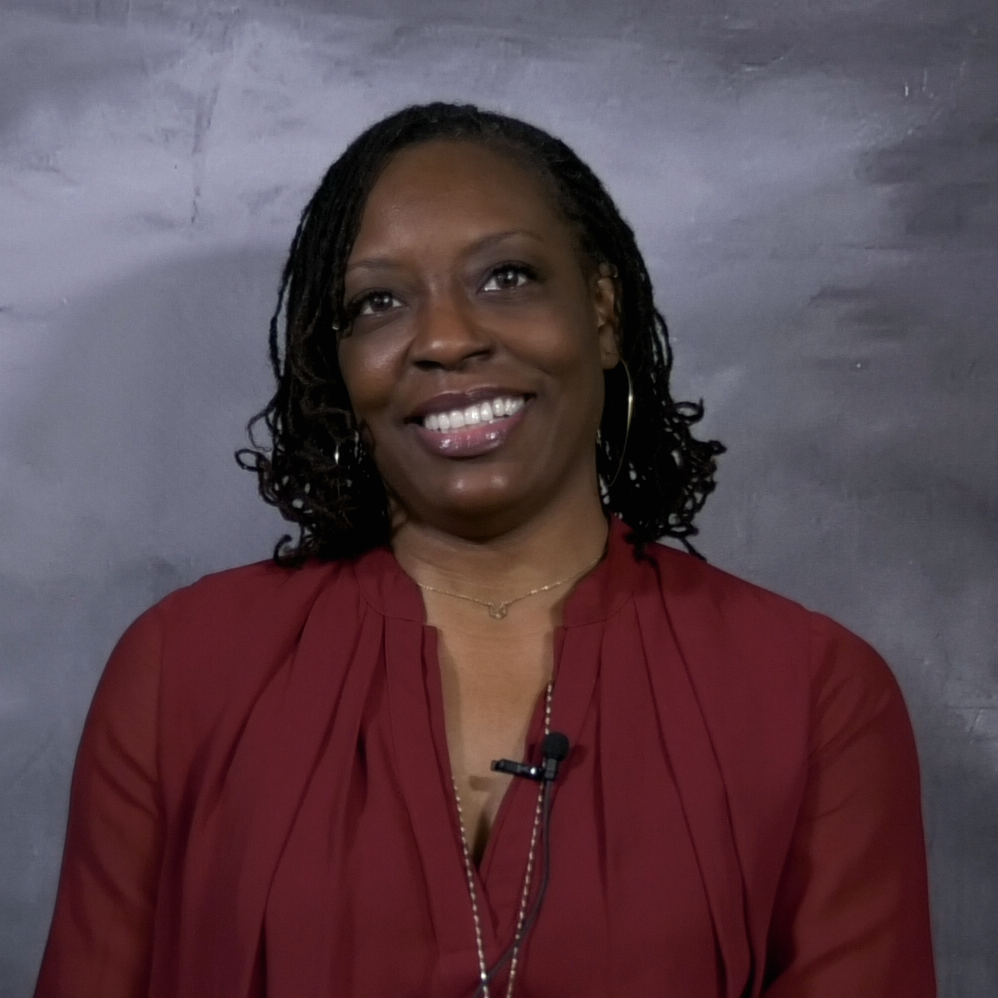
Internship: Calvary Hospital, Bronx, NY
I have always wanted to be a social worker. Even when I did not fully understand what they did or what the work entailed, I knew that social workers helped people, which is what I wanted to do with my life. However, like many others, I initially allowed myself to be convinced that social work would not pay off for me (both literally and figuratively). Despite delaying pursing my dream, I had roles that challenged me and allowed me to operate in the true nature of my being – as a person who both enjoys and is very good at helping others. The only thing that was missing was fulfillment. In my past roles as an executive assistant, a recruiter, and in marketing, I had the realization that they were all support roles. Although it had been nice assisting people in their quest to acquire money and status, I didn't find satisfaction in the work.
I was introduced to palliative care during my first year in the Fordham MSW program. I had never heard of this specialty, which I learned about by viewing the videos of previous Fellows and supplemental materials that Dr. Berkman provided. As I learned about palliative care and palliative social work, I felt like a question that I didn't know to ask had been answered. I realized that becoming a palliative social worker is what I wanted to do. I applied and was overjoyed when I found out that I had been accepted.
Attending Fordham University Graduate School of Social Service and becoming a Palliative Care Fellow has been one of the greatest joys of my life. During my Generalist year, my eyes were opened to the field of disability services when I had the privilege of interning with VISIONS Services for the Blind and Visually Impaired. My world expanded enormously as I learned to better understand and advocate for the needs of people with vision impairment. When I learned about the Palliative Care Fellowship and was accepted as an intern at Calvary Hospital in the Bronx, NY, I knew that this opportunity would be the pinnacle support role of my life. As a palliative care intern, my primary function was to provide emotional support to patients and families. As I interacted with individuals with a terminal diagnosis, their caregivers, and the bereaved, I was inspired daily by their bravery, kindness, and dignity.
I am incredibly excited to continue working in palliative care, where I can really make a difference in people's lives. The work is complex and gratifying. I am extremely grateful for this experience, and I'm looking forward to my future in palliative care.