Meet the Palliative Care Fellows 2022–2023
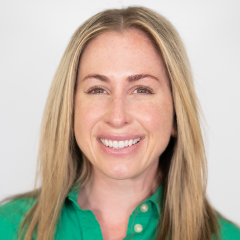
Internship: Bennett Cancer Center, Stamford Hospital, Stamford, CT
My decision to pursue a career in palliative care began as I was caring for my mother, who had a terminal cancer diagnosis. When we received the news that my mother had only two to four months to live, she and I together made the decision to not pursue further treatment in favor of allowing her to live her remaining months to the fullest. After we received this prognosis, I began to comprehend the importance of palliative and end-of-life care. With the support of the Palliative Care team at Smilow Cancer Hospital, my mother and I were able to find a support system for the emotional and physical challenges that were becoming more prominent in our everyday life. With this support, I also felt more empowered to advocate on my mom’s behalf when she was no longer capable of making decisions. This firsthand experience affirmed my decision to apply for the Palliative Care Fellowship because I wanted to provide support to others going through similar experiences.
My field placement was at the Bennett Cancer Center at Stamford Hospital, working in an outpatient setting. During my placement, I was able to utilize the skills I had learned in the Palliative Social Work course, as well as my life experience, to work with clients from different backgrounds and stages of their cancer diagnosis. I developed a further understanding of the financial and emotional burden a cancer diagnosis can place on a family and worked with families to find resources to help. I was also able to provide 1:1 counseling with patients and caregivers to provide emotional support as they navigate this disease. This experience was invaluable in terms of developing my active listening skills, facilitating difficult conversations and understanding the broad range of difficulties that come with a serious diagnosis.
The Fordham Palliative Care Fellowship has provided me with the opportunity to learn from experts in the field, both academically and clinically. With the guidance from Dr. Cathy Berkman, Sarah Wichman, and guest lecturers, I always felt I was learning something new and being supported on this path. The work isn’t easy, but being able to find support and learn from their experiences in palliative care has impacted how I approach my work in the field. The bond developed between me and the other Fellows has also provided a support system that I didn’t realize would be so impactful as we navigated our year in the Fellowship program. I am incredibly grateful to have been accepted into the Palliative Care Fellowship because it has made me into the social worker that I am today and one that I will continue to grow into.
I am looking forward to continuing my work at the Bennett Cancer Center this summer as a social work extern.
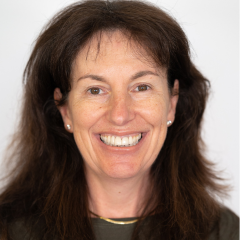
White Plains Hospital, Palliative Care Service and Supportive Care Service, White Plains, NY
When I started my education journey at Fordham University, I had a desire to learn about medical social work, with the goal of being placed in a hospital setting. During my search of the Fordham website, I learned about the Palliative Care Fellowship. I immediately felt a connection to the field of palliative care, as unbeknownst to me, my mother had received the benefits from this kind of care when she was diagnosed with ovarian cancer. The approach to serious illness pain and symptom management, combined with compassion, was the perfect match for my personality and career goals.
I reached out to Dr. Cathy Berkman, Director of the Palliative Care Fellowship, to ask questions about the Fellowship and to discuss Generalist year placement ideas. When I told her that I was interested in gaining some experience working with seriously ill persons, she suggested that I volunteer to be sure that I was comfortable in this field. I began volunteering at Calvary Hospital, which is specifically dedicated to palliative and hospice care. I encountered illness and its impacts on both the patient and their families. I also met people who benefited from my visits, as we talked about everything besides illness and personal worry. I was able to see the benefits of friendship, empathy and compassion that often get lost in the sea of overburdened health care systems. I then employed my newfound skills, along with my expanding social work classroom education, during my Generalist year placement at Cabrini of Westchester, which offers short-term rehab and long-term care. I learned how to meet challenges and overcome them as they arise in providing care to persons from varying backgrounds and socioeconomic statuses.
Through the Palliative Care Fellowship, my Specialist year placement was at White Plains Hospital on two different teams: the Caregiver Support Program and the Palliative Medicine Department. I provided psychosocial support to patients and their families, from the newly diagnosed to those near the end of life. I witnessed the impact of palliative care on patients, as their suffering was relieved and their families were comforted. I encountered the challenges of all systems, from the micro to the macro, and learned about group work, resources, HIPPA, ethics, and the dynamics of interdisciplinary teamwork.
I have evolved in ways I never imagined and I feel prepared to embrace the future as a Palliative Social Worker. I am humbled by the generosity of the Kathy and Brian MacLean Scholarship which provided funding toward monthly luncheons with my cohort fellows, conference attendance, seminar speakers, and career mentors. All of which combined to make the Palliative Care Fellowship at Fordham University a dynamic and essential part of my social work education.
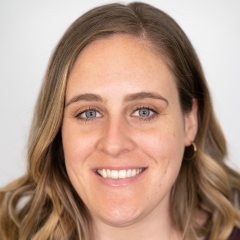
Internship: Memorial Sloan Kettering Cancer Center, New York, NY
Originally from Michigan, I graduated from the University of Michigan in 2013 with a dual bachelor’s degree in psychology and communication studies. My degree represented two of my lifelong interests: the unique complexities of the human experience and how we share them with one another. After a brief stint in academic publishing, I began my career in marketing and communications at Memorial Sloan Kettering Cancer Center in New York City. Through various editorial, multimedia, and creative roles, I had the opportunity to meet and work with cancer patients, their loved ones, clinicians, researchers, and other staff. I immediately felt drawn to the institution’s mission-driven focus and felt privileged to help patients and staff tell their stories through photography, videos, and written publications. During the height of the COVID-19 pandemic, I began to reflect on my purpose and how I wanted to contribute to the world. This exploration led to the realization that I didn’t want to tell the stories of those impacted by serious illness, but rather I wanted to walk alongside them as they confronted perhaps the most challenging experience of their lives. The social justice and advocacy focus of social work, plus the opportunity to provide direct support to those in need compelled me to pursue my MSW at Fordham University with the goal of being a Palliative Care Fellow.
The Palliative Care Fellowship has been a transformative experience. Being with a cohort of peers with similar interests and passions, combined with the mentorship, professional guidance, and educational opportunities, helped me approach my MSW training with an openness that ultimately shaped how I see the world and the profession of social work. The Palliative Care Fellowship community was an invaluable source of support as I navigated the emotional and academic ups and downs of learning about and bearing witness to people’s experiences with serious illnesses. I feel honored to be a Fellow and am proud to enter the network of accomplished Palliative Care Fellowship alumni who remain committed to the core values of palliative care.
For my Specialist year field placement, I had the wonderful opportunity to return to MSKCC as a clinical social work intern. I provided supportive counseling and resources to people with cancer and their caregivers at various points along the illness continuum. I also conducted biopsychosocial-spiritual assessments with people preparing to undergo stem and CAR-T cell transplantation, a months-long intense treatment process. Joining with people at this point in their lives and holding space for their inner process, including their hopes and fears, and being a source of support was a great privilege that I won’t soon forget.
With my Fellowship and internship experiences, I am excited and humbled to begin a career in palliative care and am grateful for my friends, family, co-fellows, mentors, patients, and caregivers who have been a part of my journey.
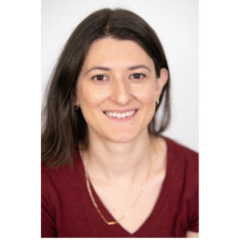
Internship: Mount Sinai Queens, Palliative Care Team, Queens, NY
My first exposure to a palliative care team was when I was 22 years old, a few months after I graduated college. My mother was in an ICU with a sudden, severe brain bleed, and I was tasked with making end-of-life decisions for her. After her death, to try to contextualize my own experience, I threw myself into reading all that I could about hospice and palliative care. Two years later, inspired by the book Being Mortal by Atul Gawande, I began hospice volunteering with the Visiting Nurse Service of New York. I loved hearing the stories of patients. The intense, pervasive fear of illness and death during the COVID-19 pandemic prompted me to leave my job investigating NYPD misconduct and become a palliative social worker.
My Generalist year placement was at a dialysis clinic in East Harlem. I chose dialysis because I wanted to ensure that working with people with serious illness was the right choice for me. From the first day of my placement, my work involved palliative care issues. I talked with patients about the importance of choosing a surrogate decision-maker if they became incapacitated by illness. Because the placement was in East Harlem, there were patients from around the world, and they often had complex social and medical needs. This placement confirmed to me that I wanted to work with people who have serious illness. It required the curiosity and intensity that investigations involved, but added compassion, advocacy, and human connection.
My Specialist year placement was at Mount Sinai Hospital in Queens, on the inpatient palliative care team. I worked on a close-knit team of an experienced social worker, a physician, and a nurse practitioner. I learned how to discuss matters such as advance directives, surrogate decision-making, and hospice enrollment with patients and families. I also learned how to provide support to patients and families facing a shocking diagnosis, relentless symptom burden, or active dying process, As in East Harlem, patients in Queens were from many different countries and situations. The placement exposed me to issues of equity in cases of, for example, a young, undocumented cancer patient, or a developmentally disabled person with little family.
In addition to a demanding but rewarding field placement, the Palliative Care Fellowship provided me with workshops in bioethics and a specialized field seminar for the Fellows, led by a palliative social worker. It enabled me to attend the SWHPN (Social Work Hospice and Palliative Care Network) annual conference, where I learned from hospice and palliative care social workers from around the country. I was able to connect with a Career Mentor who was a leader in the field, and who gave me advice on seeking jobs after graduation. The other Fellows were an invaluable source of support, wisdom, and wit. The Fellowship truly provided me with the mentorship, instruction, and support necessary to undertake this difficult work. I am deeply grateful to have had the opportunity to participate.
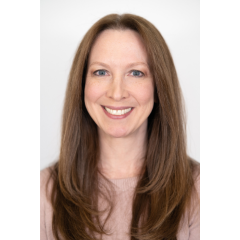
Internship: Vasser Brothers Medical Center, Intensive Care Unit, Poughkeepsie, NY
I am deeply grateful and honored to be a chosen as a Palliative Care Fellow. My decision to pursue palliative care social work is one that I carefully thought through. Working with patients who are seriously ill and near death is undoubtedly difficult work. However, the opportunity to work alongside these individuals and their families during one of the most challenging times in their life is a privilege and comes with rewards that go far beyond this life. I couldn’t think of more meaningful work to do.
My field placement was at Vassar Brothers Medical Center in Poughkeepsie, NY. I spent most of my time working with seriously ill patients in the Intensive Care Unit. I worked very closely with patients and their families on developing care plans, assisting in completing advance directives, helping negotiate the health care system, and providing support and resources. I also had the opportunity to sit in on and co-facilitate many family meetings. I worked with an incredible team of social workers, doctors, and nurses. Overall, it was a rewarding and an enriching experience.
The Fellowship provided me with a focused and in-depth field experience in palliative care. The program had many layers of support, including my field instructor, field advisor, career mentor, and Dr. Berkman. In addition, I was able to apply the coursework that supported the Fellowship, including Palliative Social Work and Grief, Loss and Bereavement, as well as many other courses in my MSW program, to my field placement. Thus, I feel confident that I am entering the field as a competent and skilled palliative social worker. I hope to use the skills I have gained through the Fellowship to be a strong advocate for my patients and their families. It would be a privilege to be their voice, a part of their support team, and perhaps a source of comfort during this most challenging and vulnerable time.
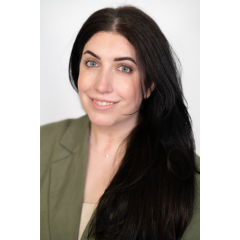
Internship: NYU Langone Long Island Hospital – Palliative Care Service, Mineola, NY
I was driven to apply to the Palliative Care Fellowship because I wanted to gain clinical experience working in a hospital setting with chronically and terminally ill patients at the end of life.
During my Palliative Care Social Work fellowship at NYU Langone, I was afforded the opportunity to refine and develop specialized skills alongside an interdisciplinary Palliative Care team of social workers, nurse practitioners, and physicians. I had the privilege of working with patients and their families as they navigate the medical course from diagnosis through end of life. I learned firsthand the value of communication and the importance of language when engaging in advanced care conversations.
I am so grateful for the Fellowship experience for providing legs to stand as I begin my professional career as a social worker. I plan to continue to do meaningful work with patients and families on hospice and gain the clinical experience required to achieve clinical licensure.
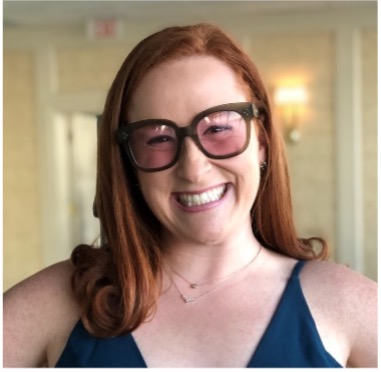
Internship: St. Mary’s Hospital for Children, Palliative Care Service, Queens, NY
When looking into MSW programs in New York City, I chose Fordham specifically for the opportunity to be a part of the Palliative Care Fellowship. Before graduate school, I taught pre-k students and loved it. I could see a career for myself working in developing social emotional skills for children while supporting their academic endeavors. As much as I loved teaching, I felt a pull to return to my most meaningful experience, which was spending countless hours volunteering at the Ronald McDonald House during college. I fell in love with the idea of being able to support an entire family during the tumultuous time of treatment for a child. I was exposed to children with various diseases and the impact it had on their lives and on the lives they touched.
Palliative care focuses on quality of life and pain and symptom management. I wanted to be a part of the quality of life piece that so often gets overlooked when someone is diagnosed with a chronic or terminal illness. Being able to support a patient and family at the end of life is an immense honor and I also wanted the opportunity to be a part of the support team from the beginning.
My internship this year was at St. Mary’s Hospital for Children. I was a part of the Palliative Care team that included the manager, chaplain and massage therapist. I worked closely with the interdisciplinary team that included medicine, occupational therapy, speech therapy, physical therapy, nutrition, recreation and more. My work focused on supporting families whose children were part of the palliative care roster. I was honored to be a part of end-of-life experiences at our hospital. I was able to work on legacy building with the siblings of our kids and partnering with parents on how to inform healthy siblings about the prognosis of their sick siblings. I offered nurturing touch to our kids with significant brain trauma. I attended funerals for children who had died. I learned to advocate for children who did not have their own voices and for families from different cultures who came to the United States for medical care.
I learned the importance of cultural humility and put immense value on making sure that every child, regardless of their socioeconomic status, race, religion, and culture were given equitable care while at St. Mary’s. I used for a strengths-based approach and worked with families to make sure their needs were met. For some, this meant weekly meetings with parents or siblings for emotional support, for others, it meant advocating for resources such as food, housing and transportation.
My experience at St. Mary’s was a gift. I cannot thank the Fellowship enough for the opportunity. The Fellowship experience was integral to launching my career in this field. I am grateful to Dr. Berkman, the other Fellows and the MacLean family for their generosity. Thank you so very much.
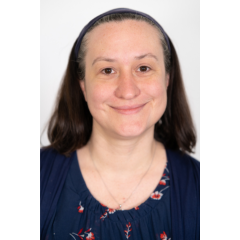
Internship: Mount Sinai Medical Center, Oncology Service, New York, NY
I graduated from SUNY Oswego in 2003 with a degree in Psychology, not fully knowing what direction I wanted to go in. However, I knew that I wanted to work with people. I moved to NYC in 2004 and was lucky enough to get a job in an opioid treatment program that was willing to train new counselors. I obtained my CASAC and worked in the field of addiction for 15 years. There were many aspects of the job that I loved, including working with the patients directly. However, I knew that this would not be the final destination in my career. Working as a substance abuse counselor was closely related to social work and the two disciplines often overlapped. This experience eventually brought me to the conclusion that social work was the path for me.
Working with individuals with substance use disorders, you see a lot of people in pain both physically and mentally. You also work with a lot of people with chronic illnesses that may be exacerbated from years of not taking care of their health. You deal with the deaths from these illnesses, overdoses, and even suicide at times. You see how this impacts their families and loved ones. I did not realize that my experience in the field of addiction as well as with the losses of my father to brain cancer and grandmother to leukemia were leading me to palliative care.
Applying for graduate school, I came upon the Palliative Care Fellowship at Fordham. This was it! I knew right away, and it all came together for me. This is what I was meant to do. Even having lost loved ones to cancer, I still did not know much about palliative care, and did some reading and research. This further confirmed my interest in palliative care and that I was making the right choice.
My internship experience at Mount Sinai Hospital while as a Palliative Fellow was an amazingly rewarding one. The internship was in outpatient oncology, specifically working with patients diagnosed with Multiple Myeloma and their families. It is such an honor and privilege to work with individuals and their families going through one of the most difficult times in their lives, and it allowed me to further develop my empathy skills. I also found myself having a new outlook and appreciation for life. The internship at Mount Sinai taught me many valuable concrete skills as well as improved my interpersonal and intrapersonal communication skills.
I am extremely grateful to have had this experience and to have had the support from Dr. Berkman, the other Fellows, our field seminar Faculty Advisor, my field instructor, and my Fellowship career mentor. The Fellowship experience has allowed me to grow professionally, develop my confidence, and confirmed my passion for palliative social work.