When you think of the Bronx, you may picture trains rattling overhead or streets pulsing with the quick rhythm of New York City life. But the borough is also home to some of the city's most impressive green spaces.
Nearly one quarter of the Bronx is parkland. Take a short walk from one of its busy avenues and you may find yourself in an old-growth forest, a salt marsh, or New York City’s largest manicured garden. It’s these pockets of green where Fordham students can enjoy easy access to nature without venturing too far from the Rose Hill campus, itself a leafy oasis.
Here are five spots to bask in some natural beauty in the Bronx:
Van Cortlandt Park
Van Cortlandt Park is one of New York City’s largest green spaces, with a 1,100-acre landscape that feels far removed from the surrounding streets. Its five major hiking trails wind through a shady oak forest, past Tibbetts Brook and Van Cortlandt Lake, offering a rare spot for tranquil reflection in the city.
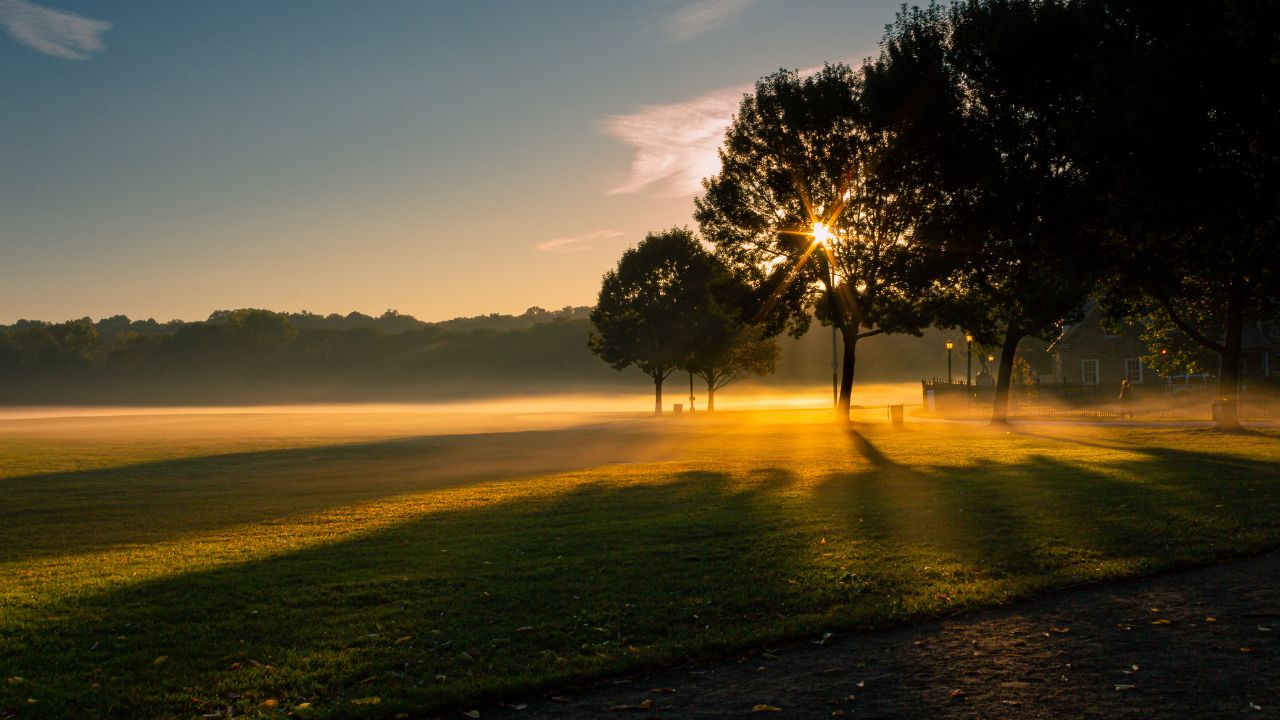 Van Cortlandt Park
The New York Botanical Garden
The New York Botanical Garden is a 250-acre living museum, home to more than one million plants and a cornerstone of the Bronx’s green landscape since 1891. A short walk from the Rose Hill campus, and with free admission for Fordham students, it offers an easy escape into one of the city’s most expansive and carefully cultivated green spaces.
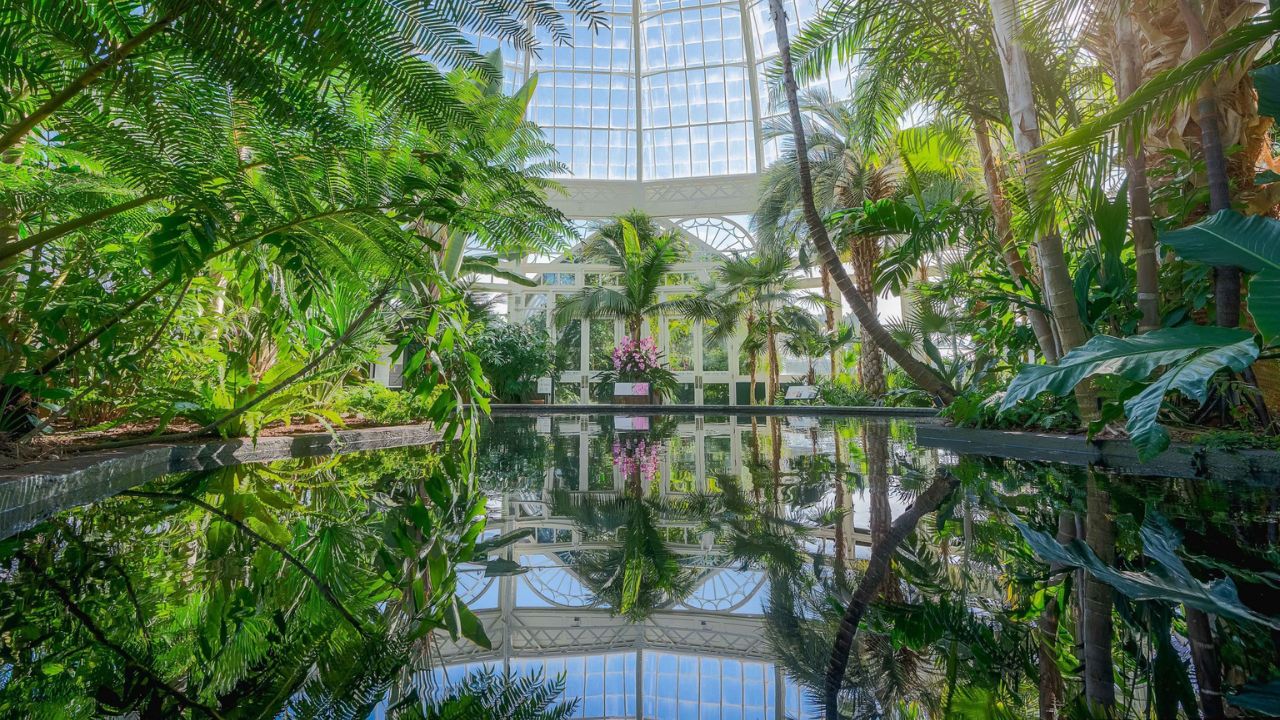 The Enid A. Haupt Conservatory. Photo: The New York Botanical Garden
Come for the fields of flowers, native plants, wetland trails, and special exhibitions, like the annual Orchid Show in the Enid A. Haupt Conservatory. While you’re there, take a stroll through the Thain Family Forest, the largest remaining tract of the city’s original woodland, filled with trees dating back to the American Revolution.
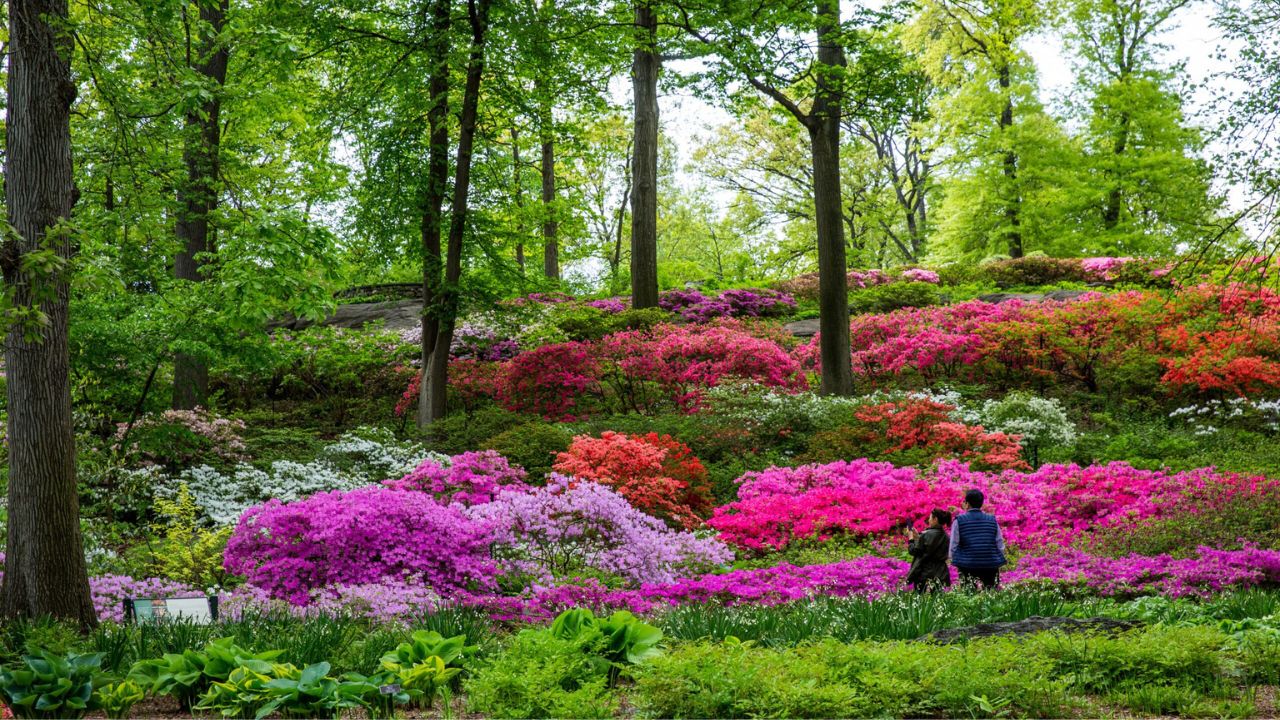 The Azaelea Garden. Photo: New York Botanical Garden
Pelham Bay Park
At roughly three times the size of Central Park, Pelham Bay Park is the largest public park in New York City, a sprawling mix of salt marsh, forest, and shoreline. Its landscape includes miles of hiking trails and horse riding paths, as well as destinations like Orchard Beach and multiple golf courses. While you’re there, keep an eye on the skies. The park was designated an Important Bird Area by the National Audubon Society in 2005, and more than 250 species—including ospreys, wild turkeys, and snowy owls—have been spotted there.
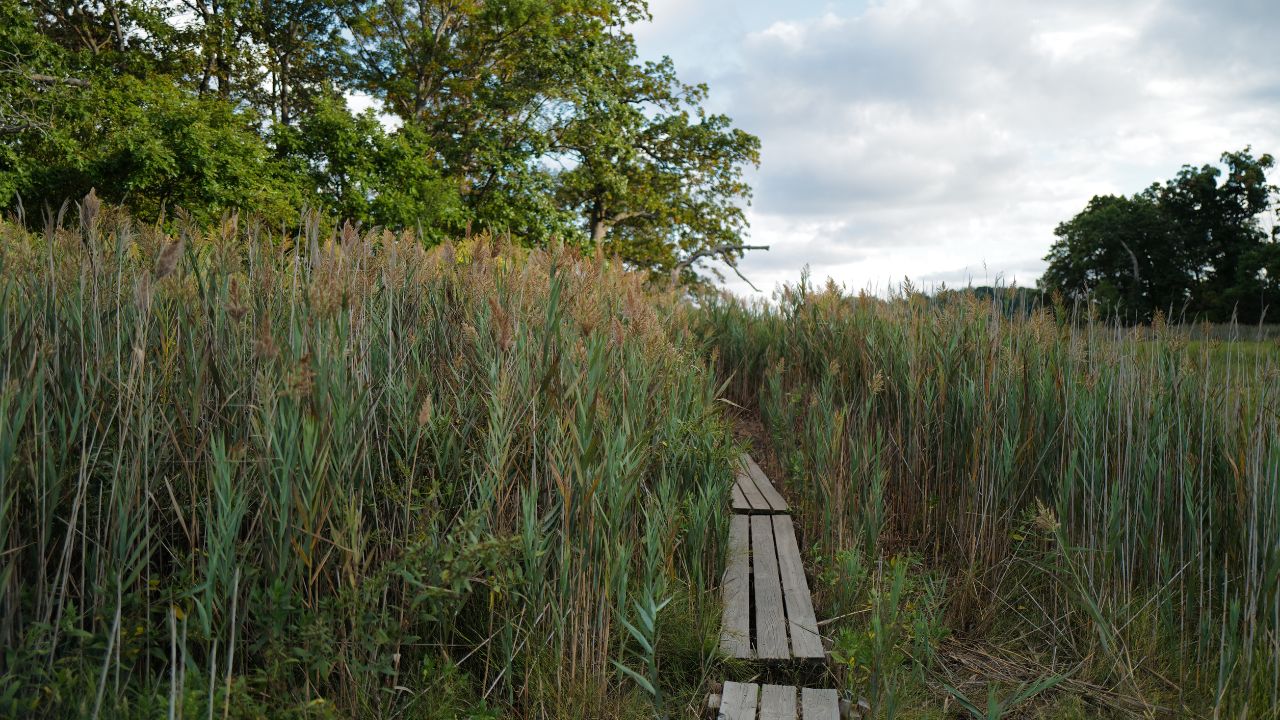 Pelham Bay Park
Bronx River Greenway
Stretching roughly 20 miles, the Bronx River Greenway is a network of bike and pedestrian paths tracing the borough’s only freshwater river. The route connects neighborhoods, parks, and restored natural areas, offering the chance to follow a continuous ribbon of green along the riverbank, on foot or by bike.
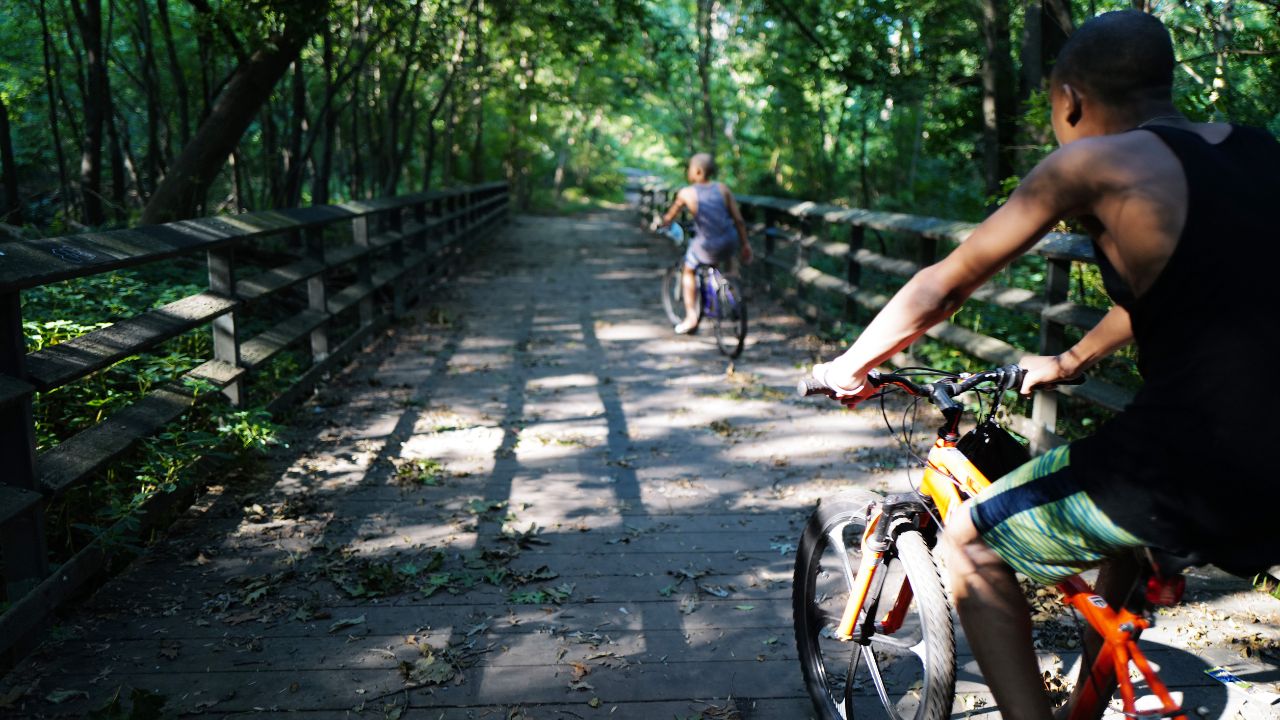 The Bronx River Greenway
Fordham has long been a steward of the river, partnering with the Bronx River Alliance on restoration work and hands-on programs through the University’s Center for Community Engaged Learning. Through service opportunities like Urban Plunge and courses like “Art and Action on the Bronx River,” students participate in river cleanups, create art inspired by the river, and experience the waterbody as a living lab for lessons in ecology, history, and environmental movements.
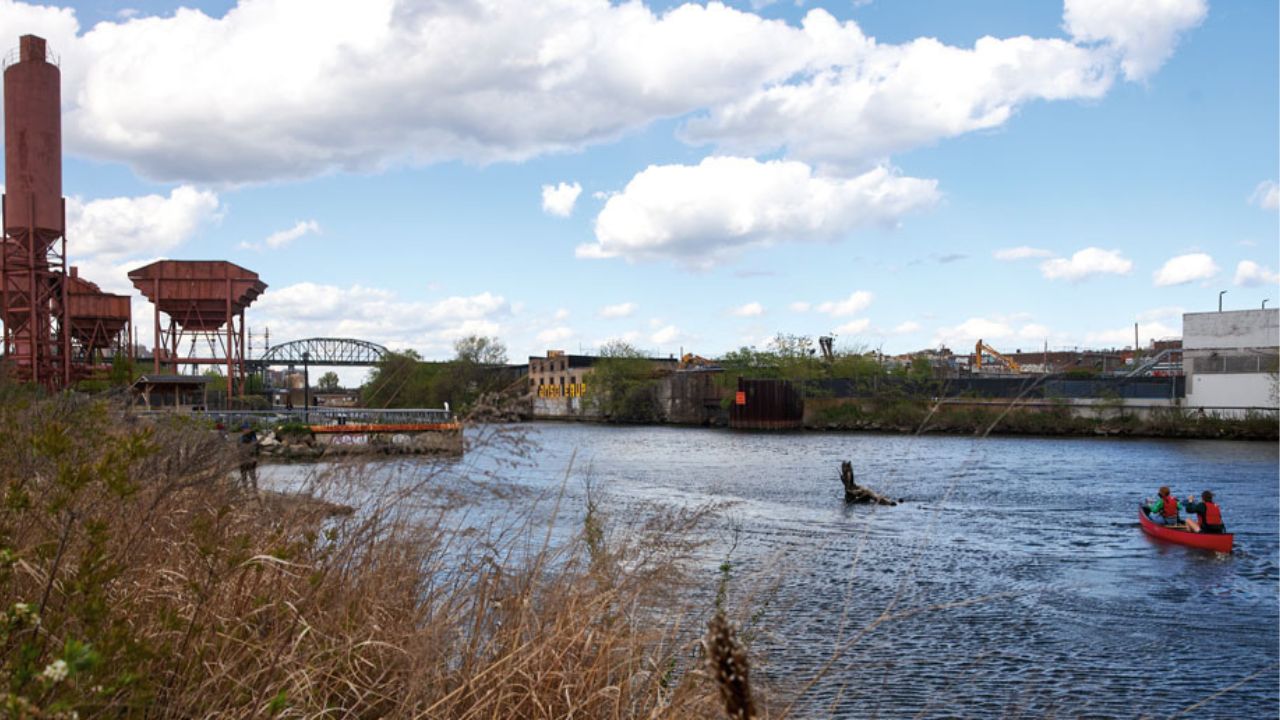 Students paddle by Concrete Plant Park along the Bronx River. Photo: Argenis Apolinario
Fordham’s Rose Hill Campus
No list of bucolic landscapes in the Bronx is complete without a mention of the Rose Hill campus, known for its dense canopy and its long-standing commitment to urban forestry. Recognized 11 times by the Arbor Day Foundation, the campus boasts more than 500 trees, including nearly 100 American Elms. The species was once ubiquitous across the Northeast, but due to development and outbreaks of Dutch Elm disease, large, stately American Elms are now less common in the region.
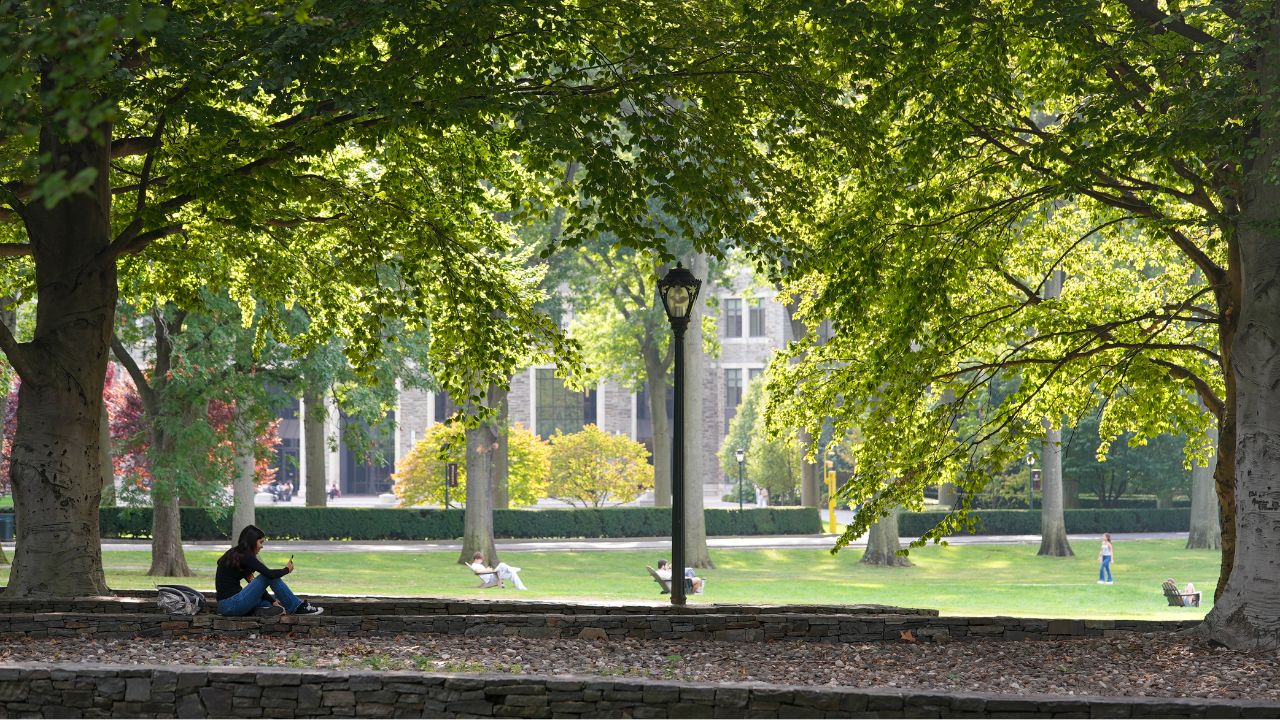 Fordham's Rose Hill campus
The trees are still thriving on the Rose Hill campus, including one towering specimen estimated to be over 280 years old—one of the oldest living trees in New York City.