Cell and Molecular Biology

STUDY CELL AND MOLECULAR BIOLOGY AT FORDHAM
About the cell and molecular biology major
Explore the structures at the root of living organisms, from macromolecules to tissues, while preparing to make an impact in fields from research to healthcare and beyond.
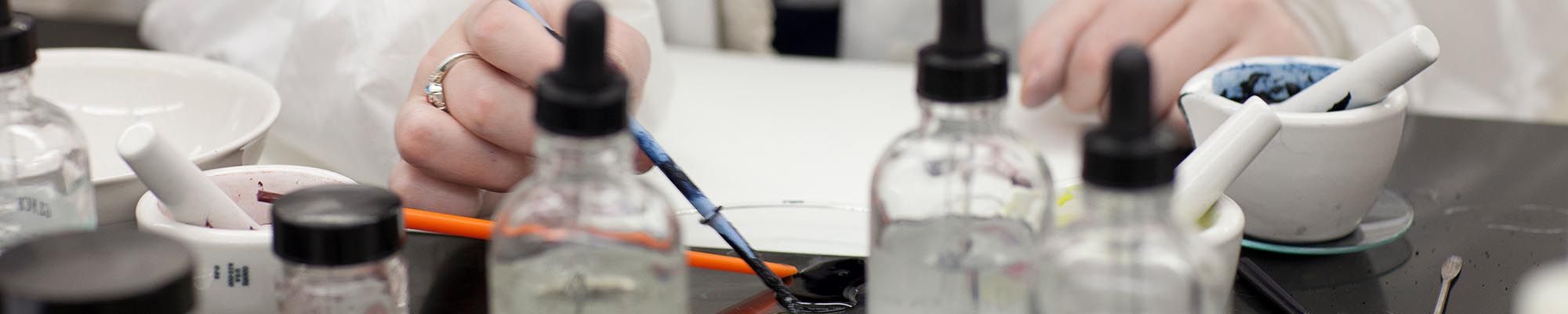
At Fordham, you’ll strengthen your foundation in the core natural sciences—biology, chemistry, and physics—before diving deeper into areas like genetics, molecular biology, developmental biology, and biochemistry. You’ll design and conduct research that matters, whether you’re studying DNA mutations or testing more effective treatments for cancer. And with NYC as your launchpad, you’ll access real-world internship opportunities with global leaders like Mount Sinai Health System or Memorial Sloan Kettering Cancer Center.
Our graduates go on to …
- prestigious graduate and research programs
- medical and dental schools
- careers in medicine, health services, pharmaceuticals, and more
Cell and molecular biology program profile
 Major
Major
Lincoln Center
Program at a glance
of natural science department graduates in the past five years were employed, continuing their education, or engaged in public service or other meaningful endeavors within six months of graduation
of natural science department graduates in the past five years have pursued advanced degrees
gift to Fordham which will be used to break ground on a cutting-edge integrated science facility and expand computer science programs
grants offer funding to support undergraduate students’ research, including $4,000 Summer Research Grants
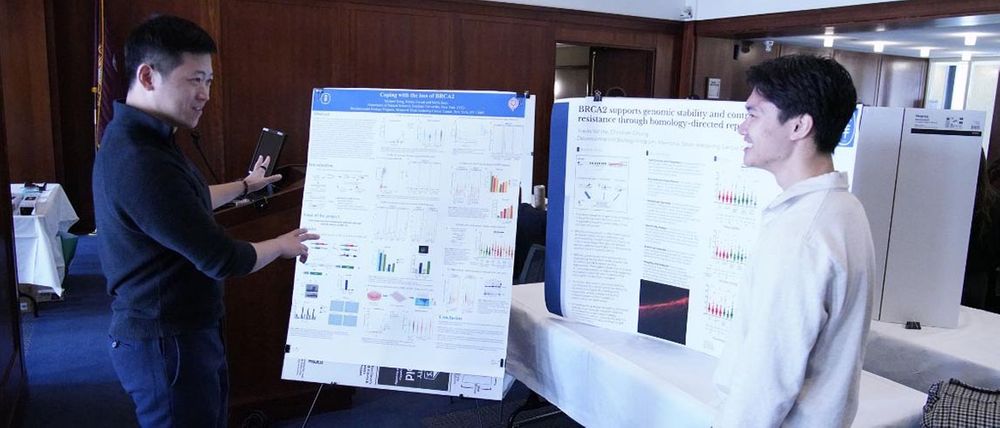
Mary G. Hamilton Research Symposium
an annual conference gives students an opportunity to share their research through poster presentations and talks
Healthcare, Education, Research, and Nonprofit
industries where the greatest number of biology majors find jobs and internships at places like Memorial Sloan Kettering Cancer Center, Northwell Health, Cornell University, Teach for America, and more
Scientific Research That Matters
Cell and molecular biology program FAQ
-
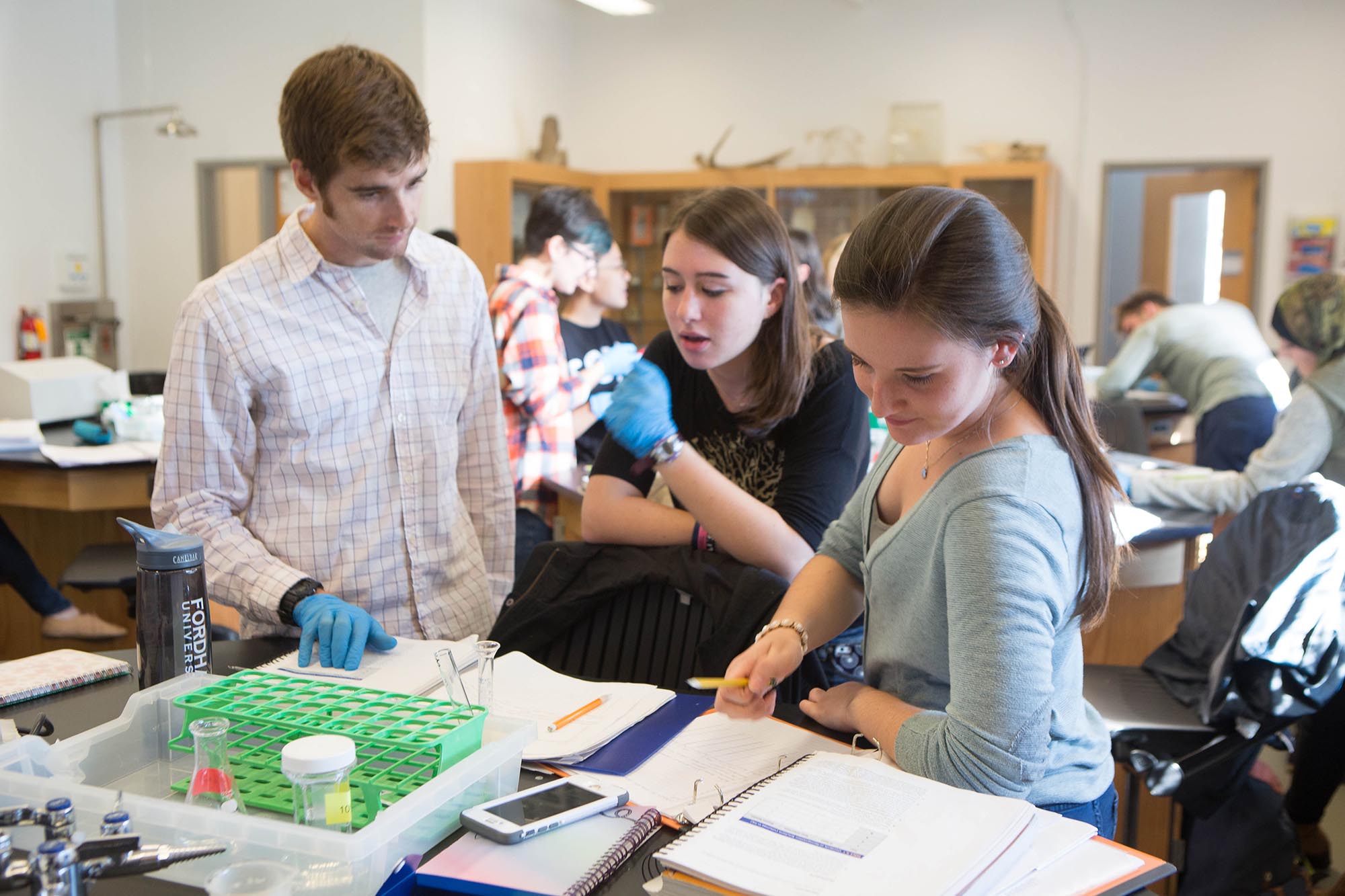
Here, you’ll learn by doing—in small classes, alongside faculty experts in their Fordham labs, and onsite at leading STEM institutions across New York City. You’ll build a strong foundation in all the major sciences while gaining a deep understanding of how biology works at the cell and molecular level. And you’ll put your classroom lessons to work in the lab. You’ll be prepared for your next step—whether that’s graduate school, medical school, or a career.
-
You’ll take courses across the foundations of science—biology, chemistry, and physics. And you’ll have the opportunity to go deeper into the areas that interest you most, particularly genetics and biochemistry. You could take classes like Human and Comparative Physiology, where you’ll explore how the environment can impact function at the cellular and systems levels, or Neuroscience, where you’ll dive deep into the fundamental properties of neurons and learn their role in our sensory systems, circadian rhythms, and memory.
-
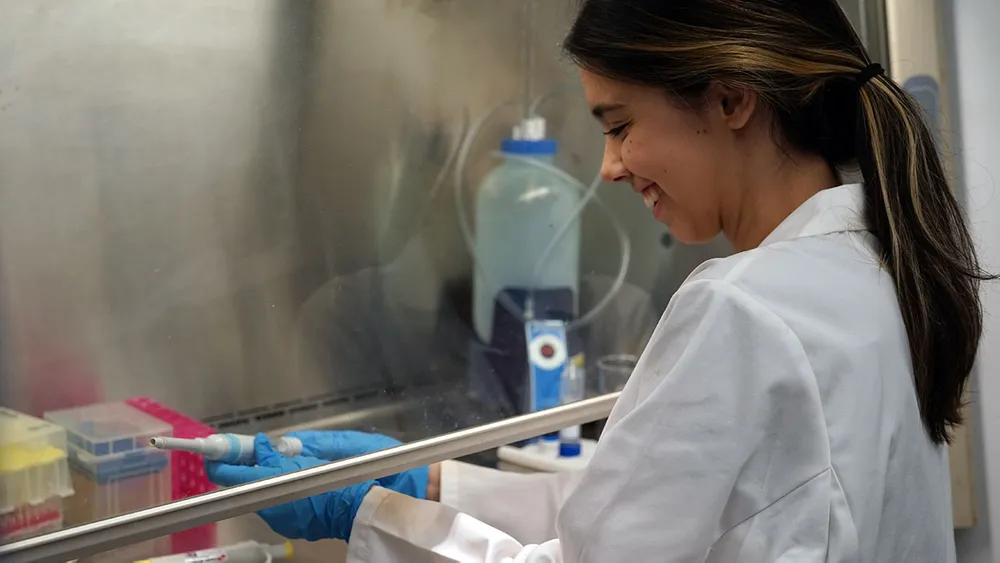
In addition to working alongside Fordham scientists in our labs, you could work onsite with our partner institutions, like Mount Sinai Health System or Memorial Sloan Kettering Cancer Center, where you could help doctors explore ways to improve cancer treatments.
-
You’ll be prepared to go on to medical school, dental school, or veterinary school; continue research at a prestigious graduate program; or start your career in the healthcare, nonprofit, or education sectors.
Many of our students are a part of the pre-health program, which provides support and advising to help you prepare for medical and other health professional schools. You’ll receive help with fellowship and graduate school applications, meet medical professionals working in the industry—including many Fordham alumni—and conduct research.
-
At Fordham, you’ll use AI as a tool to enhance your learning. Our program will equip you with the skills to navigate the ever-changing landscape of AI in the workforce. As a cell and molecular biology major, you might take courses like Machine Learning Methods for Neural and Biological Data, which will help you learn how to use AI models and statistics concepts to better understand scientific data. You’ll be able to put these concepts into practice in the lab, preparing to use AI to test research theories and help with drug discovery methods.
You’ll also be able to earn credentials and paid micro-internships through IBM SkillsBuild’s Getting Started with AI course. All Fordham students and graduates have access to AI training through RamConnect, the University’s alumni and experiential learning platform.
Above all, you’ll learn skills that can’t be replaced by AI, such as critical thinking, creativity, emotional intelligence, and integrity.
E-mail us
- General: [email protected]
- International: [email protected]
- Transfer Students: [email protected]
- Financial Aid: [email protected]
- Find your admission counselor
- Information for counselors
Visit and Chat with us
- Schedule a Visit: [email protected]
Connect with us on social media
- Follow us on Instagram
Request Information