LGBTQ+ Litigation Clinic
The LGBTQ+ Litigation Clinic offers students the opportunity to develop advanced, transferable, sophisticated, real-world litigation and client representation skills while representing some of the most marginalized LGBTQ+ clients. Because LGBTQ+ individuals are disproportionately impacted across virtually every area of law, this is an identity-based clinic rather than a subject-matter limited one. Students will work on a wide and varied range of legal issues in federal and state courts across the country. Clinic cases include but are not limited to: prisoner rights, criminal defense, post-conviction, immigration, anti-discrimination, §1983 civil rights litigation, and family law matters. This breadth of work allows students to see how doctrine, procedure, and systemic inequities intersect in the lives of LGBTQ+ people—and to use the law as a tool for both individual relief and structural change while building a strong foundation for careers in litigation, public interest, government, and private practice.
Students in the clinic work in small teams and function as primary advocates for their clients, under the close supervision and mentorship of Professor Lolai. Students can expect to gain hands-on experience and litigation skills in areas including client interviewing and counseling, trauma-informed lawyering, fact investigation and case development, negotiation with opposing counsel and agencies, collaboration with co-counsel, discovery practice, complaint and motion drafting, legal research and writing, and in-court oral advocacy. By the end of the semester, students will have built a concrete portfolio of transferrable litigation and client representation skills, received extensive feedback, deepened their understanding of how the law operates for LGBTQ+ communities, and contributed meaningful legal representation to LGBTQ+ clients who otherwise may have had limited access to justice.
The LGBTQ+ Litigation Clinic is an interdisciplinary clinic. Law students will work closely with social work and forensic psychology colleagues, under the supervision of Kaela Economos, MSW. Because this clinic serves clients across the country, students may need to travel as part of their clinical work.
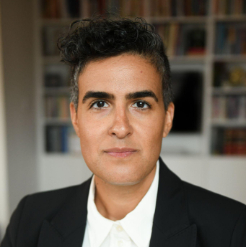
Deborah Lolai
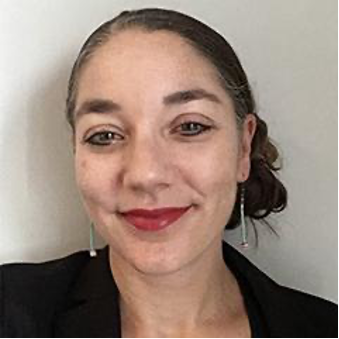
Kaela Economos