Fellowship Faculty
2026-2027 Fellowship Faculty
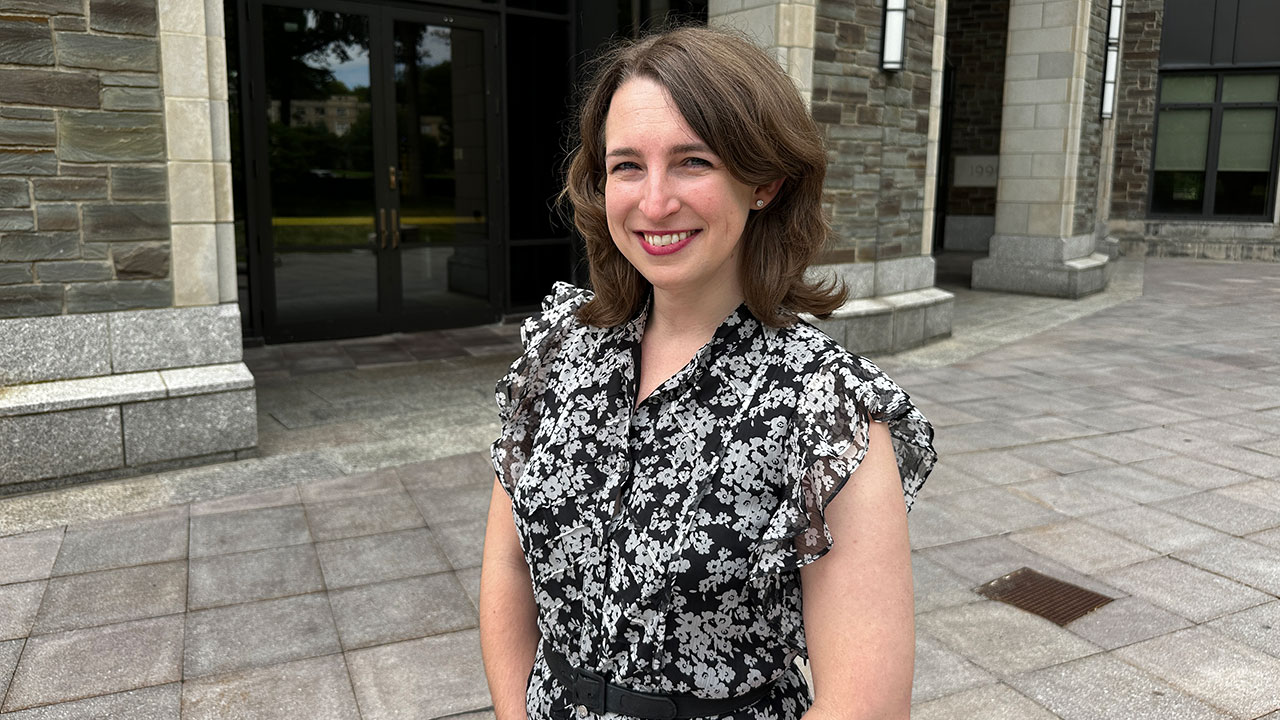
Elisabeth Buck, PhD, Associate Professor of English & Writing Center Director
Dr. Buck is interested in the ethics of generative AI tools writ large, especially via intersections with rhetoric and writing studies. Her goal for this fellowship is to explore the rhetorical strategies for encouraging women to engage with/learn about generative AI tools, and she is also eager to support students’ digital humanities research.
Catherine Chaput, PhD, Kavanagh Professor of Rhetoric, English Department
Dr. Chaput's project—Rhetoric, Affect, and Community Building in the Bronx—addresses democracy’s technological impasses by moving between the material and the digital worlds with affect as the rhetorical bridge. It explores how environment, bodily disposition, and psychology impact audience reception of arguments, and how these practices inform different modes of public communication. Working with Bronx community organizations, the project uses field work, historical research, and sensory analysis that it layers into digital, public-facing maps through multimodal and multisensorial rhetorics.
.jpg)
Ever wonder why your period tracker, your parents' "just checking in" app, or your Fitbit all kind of creep you out even though they're supposedly there to help you? Dr. Klang's research examines how surveillance sneaks into our everyday lives disguised as care or convenience, and what people actually do about it, from full-on resistance to why a badge or a streak can make you lie to an app that literally nobody else will ever see the results of. He is also interested digital culture more broadly, like what's actually going on with tradwife content and looksmaxxing, where people are optimizing their whole lives and bodies using basically the same tracking-and-self-discipline logic as the surveillance tech everyone else is worried about. This project provides a roadmap for navigating a post-privacy culture where the social value of connection is increasingly commodified by digital platforms.
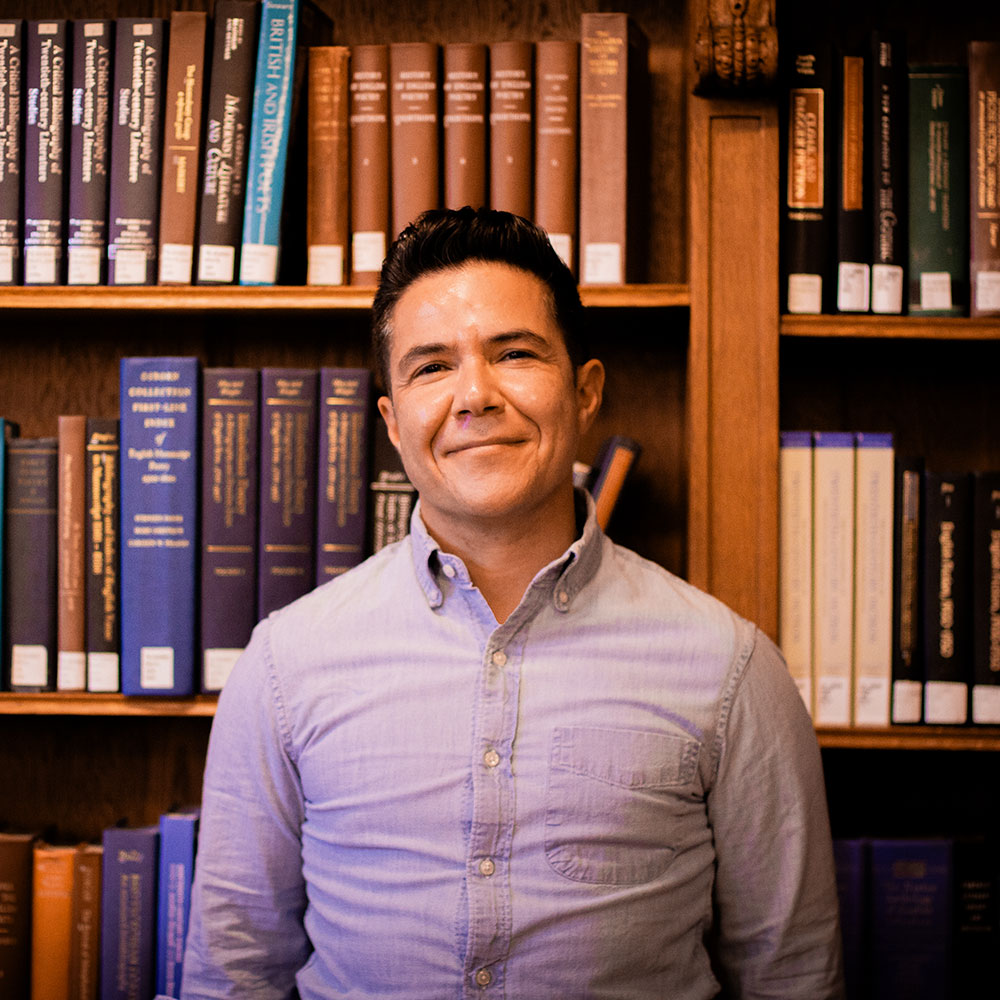
Dr. Murib's project is a preliminary examination of the ways that pseudoscientific claims made by political elites pertaining to democratic norms and practices travel in the public sphere. The dataset for this project will focus on the US case and will be comprised of statements about democratic norms (free speech, free and open press, electoral turnover) made on three social media platforms: X/Twitter, Bluesky, and Truth Social. Using Critical Discourse Analysis as a framework (Wodak 2009), the research team will develop an inductive codebook to identify themes in these posts. Findings will serve as foundation for future research on pseudoscience, social media, and efforts to erode democratic norms.
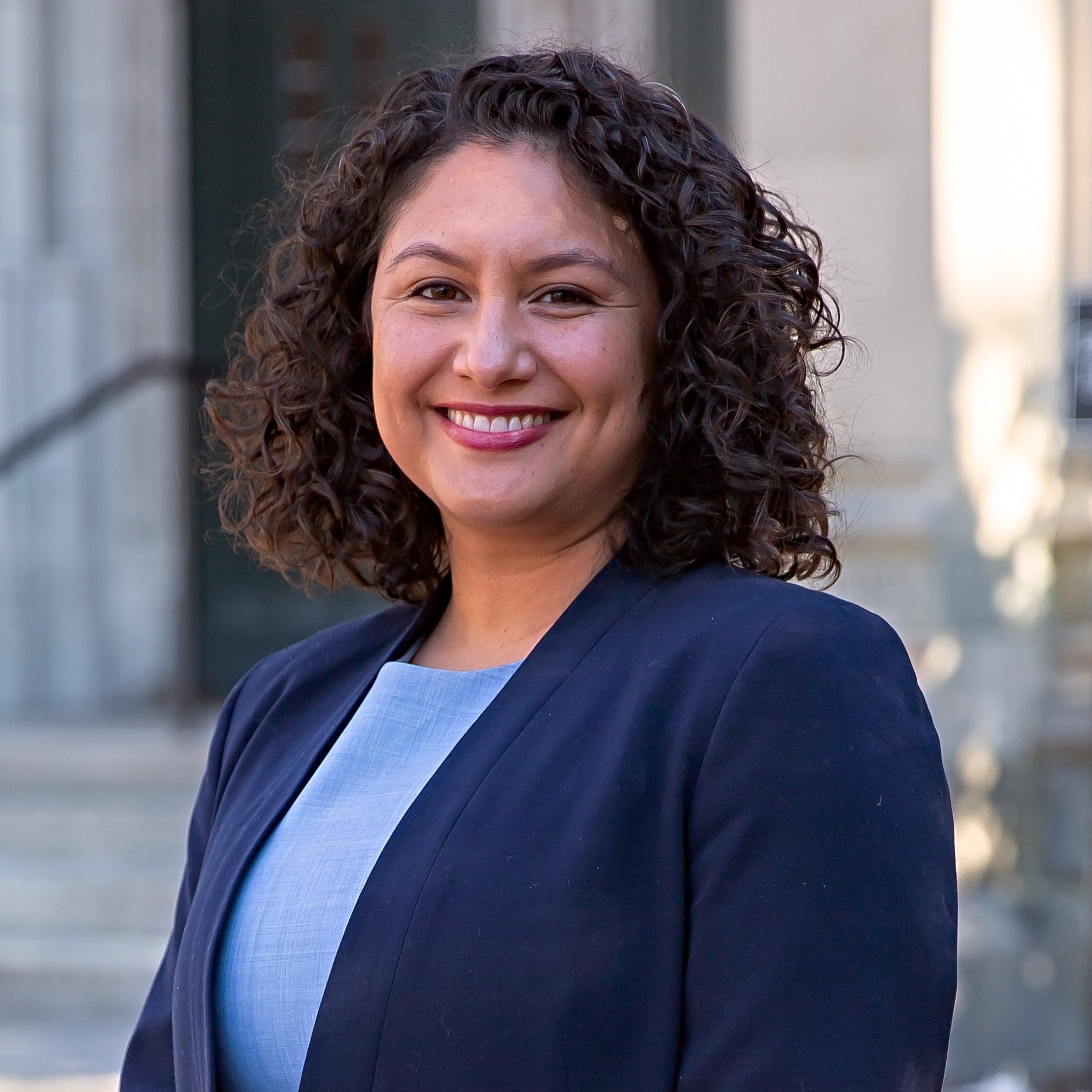
For this project, Dr. Valdez is ethnographically examining the translation of science across epigenetics, neuroscience, and trauma studies to understand the popularization and integration of generational trauma and somatic therapies in mainstream media and medicine. Specifically, for this project on digital civics I aim to examine the widespread use and reference to concepts like “generational trauma” and “somatic healing” in social media platforms such as TikTok and Instagram. The research team will create a database of social media examples that draw on these concepts. This database will help us understand how people are translating, applying, and disseminating (partial or fragmented) science in public spaces. It will also be part of a larger project aimed at tracking and critically analyzing how patients and consumers use social media and technology to apply and translate new science, as well as address their own health concerns.