Get Involved
Volunteer with Us!
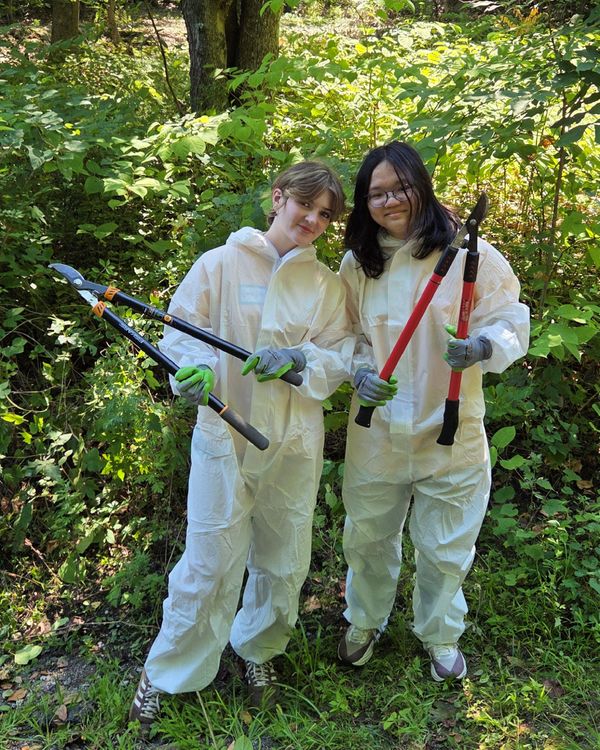
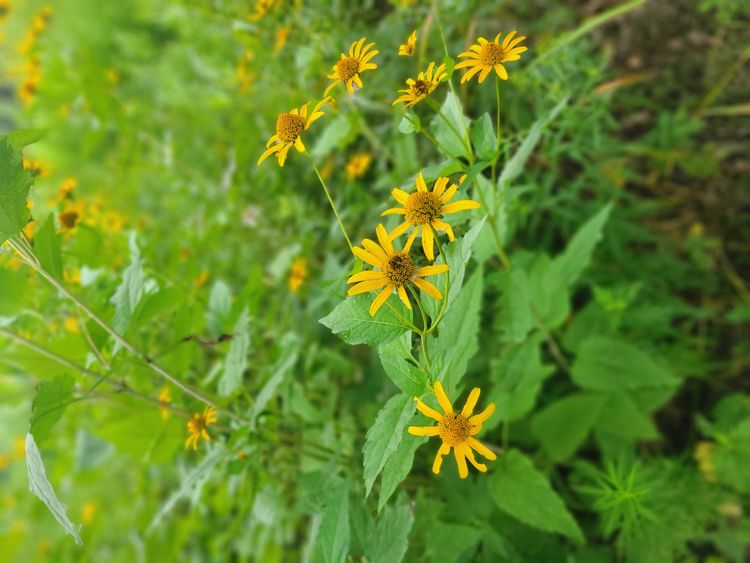
Invasive Species Management (Year-round)
At LCC, we are currently manage several invasive plant species, such as the Itadori knotweed (Reynoutria japonica), common mugwort (Artemisia vulgaris), Japanese barberry (Berberis thunbergii), Japanese angelica tree (Aralia elata) and burning bush (Euonymus alatus). Our goal is to manage the population of these established invasive species in the long-term restoration of some of our disturbed sites. We are looking for volunteers to assist in their removal from several areas of the Calder Center.
Pollinator Garden (March - October)
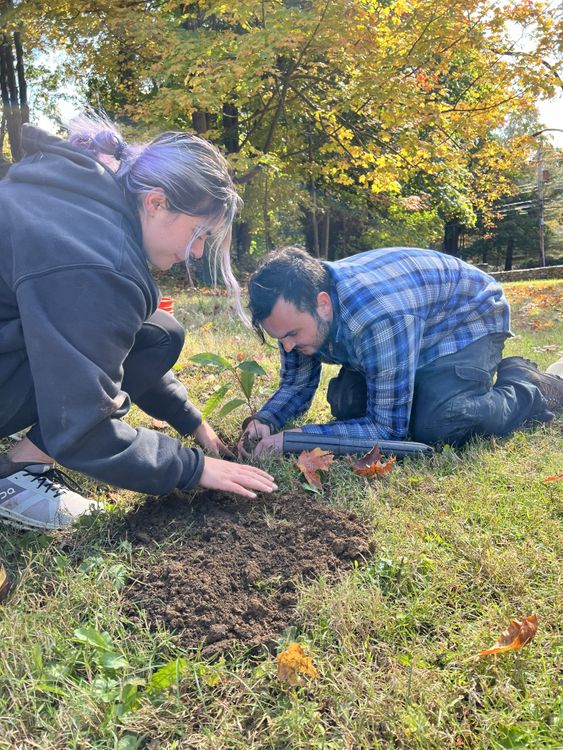
LCC maintains a pollinator garden to support biodiversity by providing habitats to insects, small mammals, and birds. This space includes several young native trees and herbaceous plants, and is non-cultivated to allow optimal groundcover and minimize disturbance. The garden is also a working space to test best-management practices for managing several non-native invasive plants such as common mugwort (Artemisia vulgaris) and Itadori knotweed (Reynoutria japonica). We are looking for volunteers to assist in invasive removal in the summer and fall, seed collection and trimming in the fall, and planting and debris clean-up / site preparation in the spring.
Long-term Forest Health Monitoring (May - October)
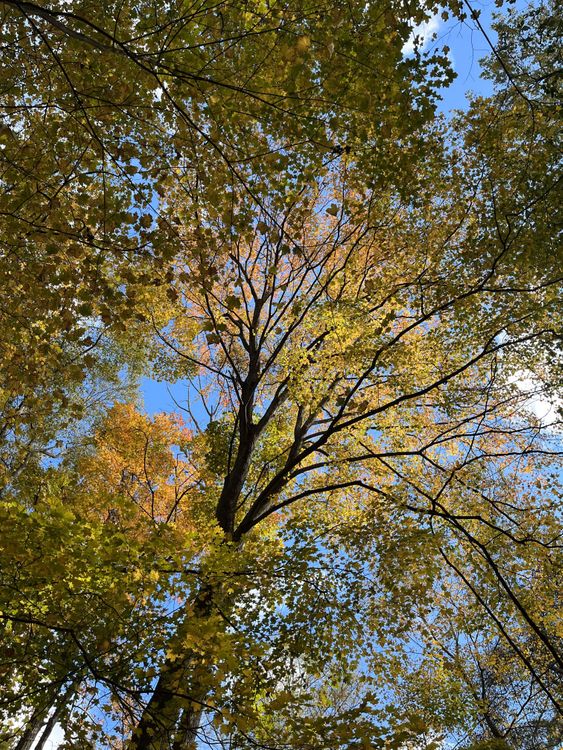
The health of the Calder forest is monitored through an ongoing long-term project where we collect and analyse several forest characteristics such as species composition in the over- and uderstory, tree size (diameter at breast height, DBH), regeneration and canopy opening. These characteristics helps us predict the trajectory of the forest and informs the decisions we make to support forest health and resiliency in a changing climate. Volunteers will be trained to conduct basic forest inventory techniques, including species identification, plot set-up and the use of inventory tools.
Other Land Conservation and Restoration Projects (Year-round)
LCC also conducts several other projects dedicated to the conservation and restoration of the Calder grounds and forest, such as managing American Beech stands impacted by the beech leaf disease, acorn mast data, seed propagation, tree plantings, etc.
Please note: Ram Vans leave Rose Hill at 8:15 am, 1 pm and 4pm and return to Rose Hill by 10am, 3 pm and 6:15 pm. Ram Vans do not run on weekends. Ex. For 9am - 2 pm, this would mean leaving campus at 8:15 am and returning by 3 pm. 2 pm - 5 pm would mean leaving campus at 1 pm and returning by 6:15 pm. Please plan accordingly.