Community Entrepreneurship Initiative (CEI)

Fordham University’s Gabelli School of Business has launched the Community Entrepreneurship Initiative, a year-long program connecting Fordham’s resources to Bronx-area business owners who are ready to grow. Whether your business is just finding its footing or is already established and scaling, we’re here to help you get to the next level.
Structured for Your Success
The program begins with a six-week Saturday workshop, built on curriculum from the Urban Prosperity & Business Initiative (UPBI), based at the University of Notre Dame’s McKenna Center for Human Development and Global Business. From there, participants are paired with a Fordham alumni mentor, and in Fall 2027, a team of Fordham students under the supervision of Gabelli School faculty members, works directly with each business on a consulting project.
| Bootcamp Dates | January 30 – March 6, 2027 (On Saturdays Only) |
|---|---|
| Location | Bronx Green Jobs Center, 585 East Fordham Road, Bronx, NY |
| Cost | $25 (a $725 value), fee waivers available |
| Cohort Size | Limited Availability (Apply Today!) |

Who Should Apply
The program is open to entrepreneurs at any stage, from early-stage businesses to established ones ready to grow to the next level. It's designed for those who've already taken the first steps to start a business, and while priority goes to Bronx-based businesses, we welcome applicants from other boroughs or just outside the city.
- Must be based in the Bronx, another NYC borough, or just outside the city
- Must have already started a business — early-stage through established
-
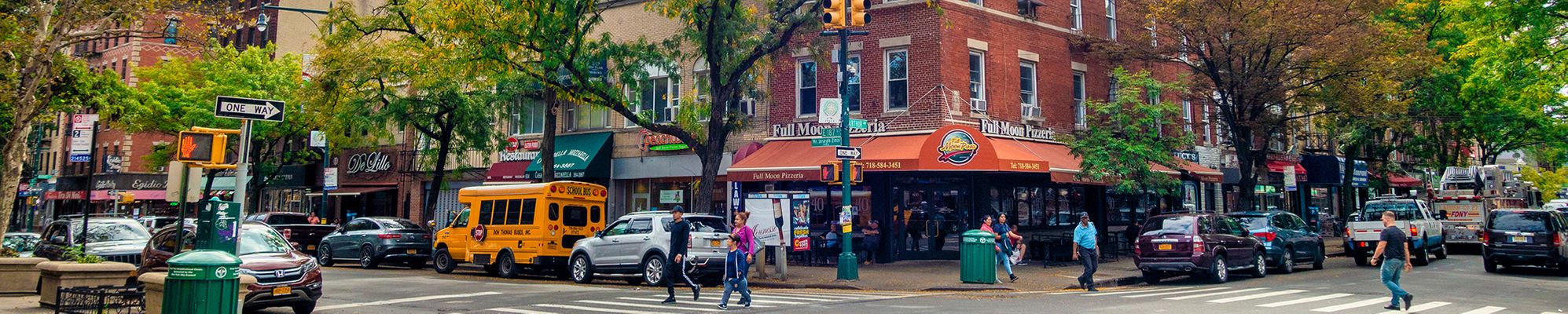
Community entrepreneurship means building a business that serves the surrounding neighborhood. Community entrepreneurs hire locally, buy from other local businesses, and sell what their neighbors actually need. In the Bronx, that's the restaurant, salon, bodega, or service company that becomes part of the block, or even runs out of your home.
-
When a local business grows, the whole neighborhood feels it. Money stays in the community, and residents are provided with a way to build wealth on their own terms. Owners gain new skills and confidence and build their own path to success. The Bronx, like every borough, is full of entrepreneurs with loyal customers and businesses that work. What's often missing is access to the training, capital, and connections that help a business reach its next stage.
-
The Fordham Community Entrepreneurship Initiative is a year-long program that connects entrepreneurs with resources to grow as leaders and flourish as business owners. It kicks off with a 6-week Saturday workshop, January 30 to March 6, 2027, at the Bronx Green Jobs Center. As a participant, you’ll gain hands-on training on running and growing a business, mentorship from Fordham alumni and Bronx community members with real business experience, and a cohort of local entrepreneurs going through it with you. The program is a $725 value, and participants pay only a $25 application fee, so cost isn't a barrier.
-
Ask your customers. They'll tell you what's missing in the neighborhood, what they wish you carried, and what they're leaving the area to find. Pay attention to the requests you keep turning down. That's usually where you’ll find your next opportunity. And keep checking in, because as the neighborhood changes, your business should too. During the workshop, we'll help you turn what you hear into a plan.
-
The biggest challenge is often doing it alone. Most community entrepreneurs wear every hat, from sales to bookkeeping to permits, with no one to call who's been there before. That makes everything else harder, like identify sources of capital, keeping up with rising rent, and making time to plan ahead. That's where CIE come in. We’ll provide you with mentors who are in your corner and with a cohort of Bronx business owners who get it.
-
Social entrepreneurship focuses on solving social or environmental problems, often at national or global scale. While you may have social impact in mind, community entrepreneurship ensures that its impact is concentrated on the people around you. A social enterprise might tackle food access nationwide. A community entrepreneur runs the grocery on their block. Both make an impact, but community entrepreneurship keeps the jobs and the wealth in the neighborhood.