The Author Series: This Is Not About Running with Mary Cain
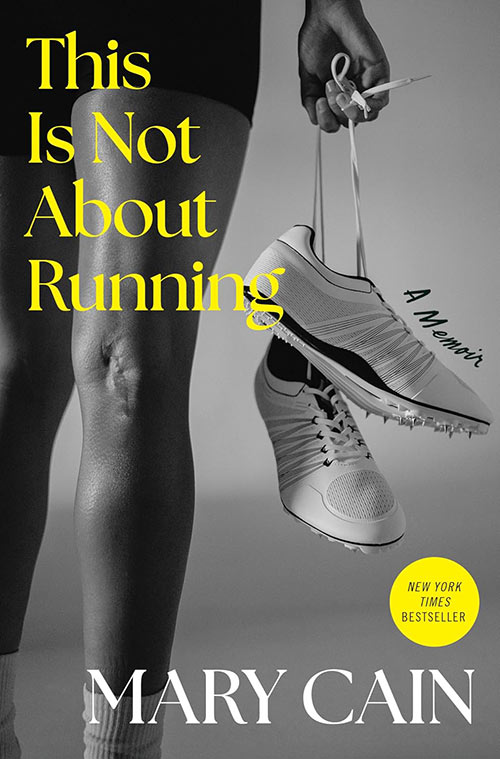
Former professional runner and medical student Mary Cain joins Prof. C to discuss her memoir, This Is Not About Running, an unflinching account of her experiences as one of America's most promising young track athletes and the systemic failures she encountered while competing at the highest levels of the sport.
Cain reflects on the culture of elite athletics, athlete safeguarding, coaching ethics, corporate responsibility, and the pressures placed on young competitors. She explains how abuse can become normalized within sports organizations, why accountability is often lacking, and what reforms are needed to better protect athletes.
The conversation also explores the unique structure of Olympic sports, the role of governing bodies and sponsors, and how sports can better balance high performance with long-term health and well-being.
This episode is part of The Sports Business Podcast with Prof. C Author Series, featuring conversations with leading authors whose work examines the most important issues shaping the business of sports today.
-
00;00;07;24 - 00;00;43;06
Mark Conrad
Hello and welcome to the Sports Business Podcast with Prof. C, the podcast that explores the world of professional, collegiate, amateur and Olympic sports. I'm Mark Conrad or Prof. C, from Fordham University's Gabelli School of Business, where I serve as professor of law and ethics and a director of the Sports Business Initiative. This episode is part of our series interviewing authors of important books that discuss current issues in sports.00;00;43;09 - 00;01;22;25
Mark Conrad
As listeners are aware, some authors have taken a broad-based macro look at a given sport. But my guest today has penned a personal memoir outlining what she found was a broken system, one that took a very talented young woman and exposed her to abuse, health issues and body shaming, almost leading her to suicide. It is part memoir, part exposé, part cri de coeur, and ultimately a story of survival beyond an ecosystem that prized secrecy and lack of accountability.00;01;22;28 - 00;01;56;05
Mark Conrad
Mary Cain was an outstanding high school middle distance runner who was scouted by Alberto Salazar, the best-known coach in American track. Forgoing college athlete eligibility, she signed a professional endorsement contract with Nike and became a part of what was known as the Nike Oregon Project. While there, she discovered a system that was seriously flawed. Under pressure to lose weight and offered illegal substances by the staff.00;01;56;07 - 00;02;23;08
Mark Conrad
She suffered physical and emotional pain to the point of trying to take her life. Ultimately, she ended her association with the coach and with the company went public in 2019, in The New York Times, and went through a long process of regaining her physical and mental health. Mary has written a memoir about her experiences titled This Is Not About Running.00;02;23;10 - 00;02;58;22
Mark Conrad
Published by Mariner Books, it received positive reviews in The Wall Street Journal and other publications. Before we start our conversation, listeners should be warned that the topics discussed in this interview involve abuse and suicide. And in the interest of disclosure, Mary was a student in one of my classes at Fordham, and I kept in contact with her. She graduated from Fordham and is now studying at Stanford University's medical school, where she is about to start her internship this summer.00;02;58;25 - 00;03;01;23
Mark Conrad
Mary, welcome to the Sports Business Podcast.00;03;01;25 - 00;03;04;08
Mary Cain
Yeah, thank you so much for having me.00;03;04;10 - 00;03;18;25
Mark Conrad
In your introduction, you write quote, “this is a book about how sports normalizes the abuse of young athletes,” unquote. What do you think are the reasons for this normalization of abuse?00;03;18;27 - 00;03;50;03
Mary Cain
I think a lot of it's a culture issue right now where it's almost like this, like generational problem where, you know, adults were a part of programs in which they were expected to really push themselves to these unhealthy standards and unhealthy degrees of performance and also lifestyle. And because they achieved X amount of success, they believe that's the only formula to reach really that level of performance.00;03;50;05 - 00;04;17;17
Mary Cain
And as a result, the next generation is similarly expected to maintain these unhealthy habits. And I think that's a kind of generous way to paint it at the same time, because I think part of the problem, we have a sport right now is we really equate it more to like an entertainment like end game. So, the end game for most people who you know are coaching or leading sports is like, “Can this person make the Olympics?”00;04;17;17 - 00;04;34;14
Mary Cain
Not, “Can we create like healthy long-term habits for this US population?” And I think that kind of dichotomy of like what is the almost end game of sports also perpetuates this, like normalization of past generational standards.00;04;34;16 - 00;05;01;26
Mark Conrad
And you displayed incredible achievements not only academically but athletically in high school, where you held a number of national records. In some respects, reading about your high school experiences was just as painful as your experience with the Nike project. You write about bullying by teammates, harassment by some parents, and a lack of sympathy by coaches. Who was at fault?00;05;01;28 - 00;05;07;14
Mark Conrad
And what could schools and coaches do to better support their athletes?00;05;07;16 - 00;05;37;08
Mary Cain
Yeah, I think in many ways you saying what a lot of readers have been kind of expressing to me, which is that that high school experience before the NOP was really like horrifying and kind of jarring to read is partly because that's almost the piece to it that I think so many people can relate to, because so many people participate in high school sports and are a part of programs where at the end of the day, you know, I don't believe that money should ever be the excuse for abuse.00;05;37;08 - 00;05;59;26
Mary Cain
But I think people rationalize what happened to me at the NOP as being like, oh, it was, you know, a moneymaker, and they were trying to sell things and blah, blah, blah. But once you experience an abusive situation in a high school setting, it's like, what? Like there's no ability to rationalize away why parents would ever get into a young girl's face and scream at her because she's fast.00;05;59;29 - 00;06;25;00
Mary Cain
And I think, you know, fault is a really interesting question. And, you know, I think taking your sports law class, I don't think about it from more that like legal end. But I think part of the reason I wrote my memoir in the way that I did and have it as this like broader arc beyond just my experience with the Nike Oregon Project is, I think the answer is a lot of individuals and a lot of people are at fault00;06;25;02 - 00;06;55;06
Mary Cain
for me to have had the experience that I did, I believe those parents hold accountability. I believe any adult in the room, whether it was the athletic department or the coach, hold fault. Really, the only people I extend grace to are the other children who are part of the program. And although I don't condone bullying, part of the reason I don't name any minor is because I believe children are children and are more vulnerable and at the whim of just like the reactions and emotions of the adults in the room.00;06;55;09 - 00;07;19;19
Mary Cain
But I think for me, really more legal and systems perspective, the fault in the problem was the athletic department and the school district for not intervening. At the end of the day, we had safety concerns, and by we, I mean my parents and I because there were parents who were going to practices who had like gone in my face and screamed at me and cursed at me previously.00;07;19;22 - 00;07;59;11
Mary Cain
And for the school to continuously say, oh, this 60 something year old coach is really important to the district because he brings in, you know, fundraising and, you know, you're just going to kind of have to deal with it. And it's kind of annoying that you're even asking for any sort of protection a.k.a. Just having parents not be allowed to, you know, come to the track disturbing and very not trauma informed and also not student first for a public school district to time and time again say this is the worst bullying we've ever seen, but we're not going to intervene to help the student of a tax paying family in the town.00;07;59;13 - 00;08;10;05
Mary Cain
So I think, you know, there's individual fault, but then there's also more that systemic stuff that I think really could have been changed had the school district and athletic department intervened.00;08;10;08 - 00;08;37;27
Mark Conrad
And doesn't it show a certain amount of cynicism on the part of these stakeholders in doing that and basically holding somebody up to ridicule and criticism for doing a good job? That's a very strong indictment. And that's why, as far as I was concerned, reading it and said, wow, you know, one could argue Nike is a business, Nike is here to sell shoes, but a public school is not there to sell shoes.00;08;37;27 - 00;08;50;08
Mark Conrad
It's not there to sell anything. And yet arguably should have the well-being of the students in mind. But unfortunately, in your case, it did not. And I thought that was a very powerful section of the book.00;08;50;11 - 00;09;14;00
Mary Cain
Yeah, I was just going to add that I think something that people sometimes need to remember is that a school can be public, but that doesn't mean there isn't fundraising and money involved. And I think that was kind of the harsh reality that I learned, which is like our athletic department was funded through donors and donations, and a lot of the donors were folks that had been previously coached by Jim Mitchell, who was the track coach at Bronxville.00;09;14;02 - 00;09;39;00
Mary Cain
And that was like a big way that they funded the athletic department. So, I think sometimes, you know, parents especially are kind of unequipped to experience that pushback from a school district. So certainly, isn't the point of a school to help kids. And like morally, ethically, theoretically, yes. But everything is still kind of in some ways influenced by dollars.00;09;39;03 - 00;10;00;18
Mark Conrad
And that's unfortunately a case in the case that actually is not set enough that in wealthier school districts, you do have these alternative methods of fundraising, like auctions and appeals to alums that in many parts of the United States, in many parts, many school districts really would not be found as prominently. So, it made some very good points.00;10;00;18 - 00;10;14;29
Mark Conrad
And then leading from that, you write that there was actually a better environment being on the men's team, which you were on for a period of time, then on the women's team. And why do you think that was the case?00;10;15;02 - 00;10;53;03
Mary Cain
I think there were probably like two different factors. I think part of it, and a really important piece to it, was the coaches, where they were not creepy. They were not, you know, inappropriately talking to the students, at least not while I was around. They never made me feel uncomfortable. And I think when you're in an environment where a coach isn't asking about, like the parties the kids are going to, or their sex life, or just conversations that are just inherently inappropriate to be talking with children, I think that immediately made, like me as an individual, just feel safer with them.00;10;53;05 - 00;11;14;24
Mary Cain
And then I think the other piece to it was just the fact that, at least initially, at least that first year, that I was a part of the boys’ team while I was a sophomore, there wasn't, I don't think the same level of like internal competition, and I personally never felt competitive with my female teammates, but a competitive energy was directed at me.00;11;14;25 - 00;11;35;10
Mary Cain
There was definitely resentment that I just was really fast and in a way that like nobody had seen before, and it was kind of unexpected. But with the boys, there was always this kind of like, we're never directly racing, you know, even in training, I wasn't always the fastest. Like there were still some boys who sometimes could really push me in a workout.00;11;35;12 - 00;11;57;16
Mary Cain
And so, I think that almost like divide that like inherently made it so that we weren't competing also maybe eased some of the tension, at least within that first year. That changed when I moved on to junior year, where there was definitely some discomfort. But I think at least initially, there was some grace extended because we didn't compete.00;11;57;19 - 00;12;09;03
Mark Conrad
And ultimately your prowess attracted the interest of Alberto Salazar. And you write that he groomed you and your parents. Can you explain how?00;12;09;05 - 00;12;28;03
Mary Cain
Yeah. I think that's something that unfortunately you often don't realize until you're looking back. And so, part of the reason I wrote my memoir in the way that I did, which is like present tense, very in the moment is so maybe the next person could see some of the warning signs that in retrospect, feels so obvious to me.00;12;28;03 - 00;12;58;20
Mary Cain
But when you're living it, don't. And so, I think certain things that like, were inherently just an inappropriate red flag is the extent to our communication, the intimacy of which the communication we had, like Alberto, often shared very inappropriate things with me, whether it was about his like sexual life or his past relationships. And it was always done, or mostly done, I don't want to say always, mostly done in settings where it was just me and him.00;12;58;20 - 00;13;33;05
Mary Cain
So, it wasn't like a larger group. There wasn't necessarily another adult. Any of our communication, like over text or something, were almost exclusively just between the two of us versus like with other kind of like adults. And so, I think that kind of initial relationship that was very kind of like all in, very just one on one and almost very intimate, like very, you know, I'm, I'm getting this really inside information about him, I think created this kind of opportunity.00;13;33;05 - 00;13;50;04
Mary Cain
Then when I moved out to Oregon for there to be this shift where initially, you know, my parents had a lot of contact with Alberto, he would, you know, reach out to them and let them know things. And of course, if was a lot of information, he was not telling them that I was not aware of at the time.00;13;50;06 - 00;14;16;03
Mary Cain
So, for example, if I went out to stay with his family when I would visit Oregon, he would always tell my parents that his wife was there, but she often wasn't. She actually, like, rarely was there. And that, like, disconnect of communication was happening because he'd almost had this separate conversation with my parents, separate conversation with me, but because they were getting this reached out, because they were being told things, they felt like they also had a relationship with him.00;14;16;06 - 00;14;41;28
Mary Cain
But that was severed, really, when I moved out to Oregon, which is like classic grooming tactics, where you like really develop trust of both the parents and the kid. And then once you almost have like, separated them physically, then there was this kind of like emotional severing where if I called them and expressed any sort of upsetment about something I've said about my weight or the way I looked or the way I was being treated, and they called to be like, ‘Well, what are you doing?00;14;41;28 - 00;15;02;12
Mary Cain
Why are you talking to Mary like this?’ I would get punished. I would get in trouble. I would be told I was being unprofessional. This is ridiculous. And then it would create this like distancing of myself from my parents. So they were, like, less and less aware of anything. And Alberto, like, almost fully stopped talking to them, which was really fascinating to see.00;15;02;12 - 00;15;30;02
Mary Cain
When I looked at emails years later and realized there was just like such a sharp drop off of things, they were like, you can just see it on once I moved out there. So, you know, there's a lot of little things that like gradually build and grooming relationships. Usually, it's not the same kind of stagnant relationship throughout, but these were some of the more like pivotal moments that I can now see that were can kind of keep me in as an adult to being problematic.00;15;30;04 - 00;15;47;26
Mark Conrad
And putting you in the situation, you know, signing with the Nike Oregon Project as the youngest athlete in a group that did include a number of international caliber track stars. Do you think that your youth made it difficult to relate to them and vice versa?00;15;47;28 - 00;16;12;18
Mary Cain
So, I think it's really interesting, and I love how you frame that, because I look back, as you know now, someone who is like the age of many of my teammates when I signed. So, I initially started training with the team when I was 16, and it was a part of the program from 16 to 20, and there were some folks who were like 23 or 24, but there were some people who didn't join the team until they were like older than I am now.00;16;12;20 - 00;16;31;01
Mary Cain
And it's almost funny, at least to me, because I'm like, wow. When I was 16-17, I was like, these people are my friends. You're my teammates. I love these people. And of course, that comes from like the naivete of youth who are like, you can think as a 16-year-old that your best friend, is this 32-year-old woman.00;16;31;03 - 00;17;07;17
Mary Cain
And I recognize now as an adult person who has done like mentorship work with kids and who also just like, you know, sometimes interacts with like younger athletes that there's a disconnect between like a minor athlete and an adult. But the way in which I was treated like unimaginable to me now as an adult. And so, yes, I think there were ways that as a young person, I maybe couldn't understand that there like should be boundaries and there would be separation between like, the maybe friendship and the teammates ship that I craved.00;17;07;22 - 00;17;29;01
Mary Cain
Having never really experienced that as a young girl and for what they could give me. But I would have been really, really happy to be met with just kindness and grace and some empathy that honestly, an adult can always give to a child. But I unfortunately was not met with that. And it's an interesting discourse that I have.00;17;29;03 - 00;17;47;11
Mary Cain
You know, I generally don't like read reviews of my book and I stay offline. But sometimes you are exposed to, you know, the language that people direct at my experience. And I think what's so interesting is so many people will be like, oh, she was such an idiot for thinking like adults would almost like be good teammates to her.00;17;47;13 - 00;18;07;01
Mary Cain
And I just find that that language is so bizarre because I'm like, if anything, I think people who join teams that have a kid should maybe be like a little more gracious to that young person because you at least can sympathize with what it's like to be, you know, a 16-year-old navigating a really scary big world.00;18;07;03 - 00;18;28;10
Mark Conrad
You know, and in many walks of life, in many industries, this kind of arrangement is very unusual and discouraged, in fact. But in the arts as well and athletics. You never seen this in athletics. You see the Canadian juniors in hockey, for example, where you had, you know, youths like 14 or 15 away from home with these teams.00;18;28;13 - 00;18;56;27
Mark Conrad
At times they were allegations of abuse in the arts as well. I mean, I've heard a lot of young performers that at 14 or 15 are performing, going on tours. And it's unusual thing because it doesn't follow a normal progression. We're speaking with Mary Cain, the author of the quote, this is not about running on, unquote, her new memoir about her experiences as a young female athlete and how she emerged from years of abuse.00;18;56;29 - 00;19;25;01
Mark Conrad
You write on the issue of your colleagues, if you call them, quote, it's not in my personality to be a bystander, to be somebody who just lets bad behavior happen without calling it out. And I thought my teammates were like me, but I guess they're not. And it's getting tiring always doing this alone, unquote. You also wrote that you felt quote disrespected unquote by other runners.00;19;25;03 - 00;19;36;01
Mark Conrad
Do you think that others knew about what you were going through and did not ask to protect you because of the system and the Nike endorsement money?00;19;36;03 - 00;20;00;15
Mary Cain
Yeah, I think the answer is yes to most of those questions. And so much as you know, there's a certain degree that, you know, there were many instances that occurred where I was alone with Alberto. Right. And there were no other witnesses. There was no one else in the room. For example, when he came into my room at night, like no one else was aware of that until I disclosed that to say sport reporter in 2019.00;20;00;18 - 00;20;49;15
Mary Cain
And then I, you know, never publicly discussed it until my memoir. And so, of course, there's some, you know, truths of my experience that I could never expect another athlete who was, you know, a part of my team to necessarily recognize I was experiencing. But I think as an adult now, reflecting on the relationship that I so clearly had with Alberto, I cannot believe almost anyone, a part of my program didn't have some like, serious concerns, especially based on the nature of Alberto's relationship with one of his past athletes, Kara Goucher, who had a really upsetting relationship with him, where she's since come out and Alberto has been banned for life for sexual abuse00;20;49;20 - 00;21;10;24
Mary Cain
through their relationship. And I think as a young person, I didn't necessarily always see the signs to like the way that he spoke about her and how deeply troubling it was and how often he compared me to her. But as an adult, I realized if I was hearing a man talk about a past athlete and me in the ways that he was, I would be very scared for that athlete.00;21;10;26 - 00;21;47;18
Mary Cain
And so, I think there's a certain level of, yes, you can put your head in the sand and yes, you might not witness certain events, but I don't think it takes much more than a soul deeply concerned for someone. And I think when it comes to like kind of why there was silence and why there has been almost no support from past teammates besides Kim Levins, who I write about at the end of the book, who has since, very kindly and very graciously, like, you know, corroborated that he witnessed a lot of what I experienced.00;21;47;20 - 00;22;10;04
Mary Cain
I think a lot of that is because of the power and control those sports has in your relationship with, a program like, if you're a Nike athlete and you speak up in defense of me in any sort of capacity, then you are all of a sudden, you know, maybe no longer going to have the same relationship and financial backing that you do or did at the time.00;22;10;04 - 00;22;37;07
Mary Cain
And I think for me at least, there are individuals who, while we were going through it in real time, had– I almost extend more grace to them because I'm like, in that moment, that was their financial livelihood, that was their–, you know, ability to make money and continue in the sport. And if you speak out against Nike, as I have personal experience, you’re kind of blacklisted from really all brands.00;22;37;07 - 00;23;05;28
Mary Cain
It's not like specifically, then you're only, you know, barred from Nike. So, I understand athletes at the time kind of having that fear. But I think the reason most folks now don't, maybe come forward to support me after experiencing my what they did is more related to their own cognitive dissonance and the fact that they did not always behave, appropriately at the time when they were in this environment.00;23;05;28 - 00;23;29;28
Mary Cain
And rather than owning up that like, yeah, they, you know, at times really like I donned and added to the emotional mental distress that I was experiencing, they would rather just like, deny and, and not associate themselves versus having the courage to be like, yeah, I didn't. I was also scared. I was also part of like a really terrible program.00;23;30;00 - 00;23;56;19
Mary Cain
So, it's a long-winded way to say I think, you know, sometimes I have been maybe painted as being kind of spiteful for being honest about other people being mean to me. I know that makes a lot of people really uncomfortable, especially when it's a woman. But I think I handled my writing with as much grace for anyone who was a part of the program as I could.00;23;56;21 - 00;24;01;07
Mary Cain
And, I just don't think a lot of people are particularly brave.00;24;01;09 - 00;24;37;22
Mark Conrad
And also, I think what was interesting when the New York Times piece came out in 2019, which, by the way, for our listeners is still available on YouTube, and I would encourage you to watch it. That was when Mary came out publicly, and it certainly caused a stir, to put it mildly. But the power that Nike has over track and field is so considerable that even the National Federation for Track and Field and the way it works is that, unlike the NFL or the NBA, these are leagues of professional athletes, and they run their own shop.00;24;37;24 - 00;25;00;23
Mark Conrad
And essentially and they admit their entertainment and media businesses as well as sports businesses. But USA Track and Field and other of these bodies are Olympic govern– they’re bodies that are within quote “the Olympic movement”. And they have a lot of autonomy, but they also depend very much on sponsorships and Nike pretty much has paid a lot of money to USA track.00;25;00;23 - 00;25;26;27
Mark Conrad
So, there was actually no comment from the organization. When the New York Times piece came out, it was silence, radio silence on the part of the running establishment. And that is a concern, you know, just in integrity in sport, that one company has that kind of power. And that's a general issue that you find on that end of sports, as opposed to the major sports leagues.00;25;27;00 - 00;25;48;23
Mark Conrad
And going further into this in the book, you relayed instances where drug protocols were violated by the coach, such as asking you to take birth control pills and diuretics. Why would your coach take the risk for a potential positive test? Because a positive test, under the system, could merit a two-year ban from competition.00;25;48;25 - 00;26;15;21
Mary Cain
Yeah, no, it's a really good question. It's something I ask myself a lot. I think at least within my personal experience, any of the medication that I was pressured to take but never took are all medications that wouldn't really elicit a positive drug test. So, for example, the reason diuretics are banned from competition is they're considered masking agents.00;26;15;24 - 00;26;37;19
Mary Cain
So, they just like, you know, help you like pee out quicker. So if you've taken some sort of, you know, drug that's more steroidal or something else, then it can like help clear that renal from your system in a way that like, you reap the benefits, but you're not going to necessarily test positive. And something like birth control isn't like banned.00;26;37;19 - 00;27;10;19
Mary Cain
There's no like necessarily inherent performance enhancing benefit that I'm aware of. But there's this like really deeply murky situation of like, why is a coach trying to get you to take something like that to lose weight? And similarly, when there was like talks of like asthma medication, he was like always kind of trying to get me to like, use an inhaler or the kind of theme of pushing a lot of his athletes onto thyroid medication, which now is the future health care provider I'm horrified by, because that is actually legitimately quite performance enhancing.00;27;10;21 - 00;27;46;04
Mary Cain
I was very specifically, you know, being offered wouldn't necessarily result in a test. But I think part of the reason I wrote about that is I think there's a real slippery slope that I myself did not go down. So I do not know where it would have led. But if you kind of normalize just yessing to medications from a non-medical provider or somebody who is not a doctor, does not have medical training in a way that they could ever appropriately prescribed medication for you, then I just don't know where that ends.00;27;46;06 - 00;28;14;00
Mary Cain
Like, I don't know. Was that a start? I don't know, is that as far as it ever would have gone, that sort of question, I think I leave open to the reader. And for anyone who is kind of like struggling with the book, emotionally to kind of consider, because I do see this kind of trend of coaches and a lot of folks within sports overstepping what their professional boundaries are.00;28;14;00 - 00;28;18;23
Mary Cain
And I think one of that kind of spaces is with like, medications.00;28;18;26 - 00;28;48;01
Mark Conrad
And despite the drug testing regimen that the world Anti-Doping agency has imposed, you still think there are ways to get around that via masking agents and, medical, exceptions, therapeutic use exceptions that one finds. And in running, we have heard reports of certain elite runners that have been caught testing positive and banned under the, protocols of the world Anti-Doping Association.00;28;48;03 - 00;29;21;15
Mark Conrad
We're continuing with Mary Cain, the author of her memoir, This is Not About Running, maintaining what seemed to be an abnormally low body weight, seem to be a fixation by Salazar. And you describe how hungry you often were as part of the effort to “maintain weight”, plus the public shaming of being weighed in front of others. And the humiliation and stress gave you suicidal thoughts, and you attempted to take your life by cutting yourself.00;29;21;18 - 00;29;36;14
Mark Conrad
And you also wanted to be hit by a car as you ride in another portion of the book. After that happened, and you saw the so-called psychologist in the program, what did that person say to you?00;29;36;16 - 00;30;23;07
Mary Cain
Yeah. And so, Darren Treasure was an individual who I was required to work with to be a part of the program, who I was told was sports psychologist and everywhere online said he was a sports psychologist, except ultimately one random website that my father found. I guess, turns out he was not a sports psychologist. And so, in retrospect, prior, any of the like, HIPAA, you know, or confidentiality that I thought I was due was not being received me and so when I disclosed to him that like I was suicidal, I similarly like, disclose this to Alberto, he– I mean, both of them met it with, ‘we're tired.00;30;23;07 - 00;30;50;20
Mary Cain
We want to go to sleep’. Like this in the same night of an incident where I did come very close to throwing myself into traffic. And in the times before then, because that was the first time I had disclosed to Alberto, but I had previously talked to Darren about it, and Darren had previously caught me cutting myself. There was always just such a harsh like, you need to get your shit together kind of language around mental health00;30;50;23 - 00;31;19;23
Mary Cain
to stress that I was experiencing. And this common refrain that was shared amongst everyone within the program, meaning my teammates, the assistant coach Julianne, who still shockingly, is a professional coach. And just like nobody ever acknowledges that, his wife, who was my nutritionist, even though she wasn't a nutritionist. These individuals, like, continued to parrot this refrain of like, just do it, you know, not really, pun intended.00;31;19;26 - 00;31;46;21
Mary Cain
And I, to this day, I can only, like conjecture what that meant. Like, oh, you know, I was doing everything I was supposed to do. I was trying desperately to lose the weight. And for all intents and purposes, like, was underweight, and, like, succeeding in a way that, like, just because you made up a random number and I wasn't hitting, that doesn't mean I wasn't like, you know, clearly following the process that you set forth for me.00;31;46;23 - 00;32;17;02
Mary Cain
And I think it's just really interesting now to kind of reflect on how much Darren would just be like, just do it. Alberto tells you, just do it, Alberto tells you. And the perception that I was in some way failing with that command, was kind of how every appointment felt or every meeting with him versus there being any attempts ever to actually address my, like, clear, severe mental health issues.00;32;17;04 - 00;32;46;02
Mark Conrad
And that's astounding. Let's, you know, in a way repeat that, that a major company like Nike employs people like that, you know, to entrust for this kind of medical role, you know, as one of the most astounding parts of the book and [Mary Cain: yes] absolutely shocking if you go and think about that. And ultimately after that, you did leave the program, you returned to your home in Westchester, New York.00;32;46;05 - 00;32;54;06
Mark Conrad
And could you tell us your parents’ reaction when you came out and said, this is what's happening?00;32;54;08 - 00;33;14;03
Mary Cain
I think this is the part that, I think is I think I don't– I try to kind of paint this in the memoir, but because it's very present tense, I think it's immense, and can get lost is my parents did not get to read the book as it was happening. Right. Like they didn't get sneak peeks in like, okay, we read chapter one.00;33;14;03 - 00;33;38;24
Mary Cain
Like back in 2014, they were they were living a reality that's like very different from the readers, right? Meaning like they didn't have insight into my every thought. So they very gradually kind of over time were given insights from me. And so, when I first moved home in 2015, like my parents at this point could tell something was really really wrong, right?00;33;38;24 - 00;34;00;16
Mary Cain
Like I had completely changed personality wise. I went from this like very bubbly girl who had overcome this really horrible situation of bullying in high school and still like, maintain the sense of self to being this like depressed, kind of skittish shell of myself. And they could see that and they could see something's wrong, like, we need to help Mary.00;34;00;18 - 00;34;15;16
Mary Cain
But all that I was really giving them was like, I have a bad relationship with food. But I wasn't saying that to them in the sense that I was like, I have an eating disorder. I was saying that to them in the way that I was like, I can't lose weight and I don't know what I'm doing wrong.00;34;15;16 - 00;34;38;07
Mary Cain
And it's making me like, feel really, really horrible about myself. And so, they interpreted it correctly in many ways as being, you know, like a problem with the program and how I was being treated. But I was not disclosing to them anything. Like all I was saying was, I love that team. They're great. It's not the end, it's me,00;34;38;07 - 00;35;04;27
Mary Cain
I’m the failure. And they, you know, had the, you know, ability to know me and know my resilience and also like having enough snippets of interaction with my teammates and my coaches to feel concern. But I, you know, I'm a 19-year-old girl who, like, was scared to say too much to my parents would be bad for me.00;35;04;27 - 00;35;39;06
Mary Cain
And so, there was this really like kind of fear-based relationship that for a period of time I had with my parents, and they honestly just did the freaking best that they could. And I think it was a great job of not–, of just always being there for when I was ready to say more. And so, you know, kind of the second moment that I said more, was around the New York Times, this I kind of told them enough that they were ready for the New York Times piece.00;35;39;08 - 00;36;00;10
Mary Cain
Right? Like they could see like, okay. But even this book and a lot of the stories that I tell in this book and some of the stories that I had chosen not to tell in this book, I only told them within, like this kind of writing, creating, publishing period. And so, I just share that because I think so many parents are going to be able to relate to that.00;36;00;12 - 00;36;40;25
Mary Cain
Right? Like, as a society, we shame and blame parents if they don't know. But as any person who's ever been a teenager, you know, that there's like this inherent kind of like trying to separate yourself from your parents, period. And when that's expanded by the fact that, like, a kid is being punished, if they go to their parents and tell them kind of their deep, scary thoughts. And also, the trauma of like disclosing to my sports life and my coach that I was suicidal and cutting myself and being met with such like apathy and disdain and disgust, really kind of sent me into this path where, like, I was pretty close lipped and I was00;36;40;25 - 00;37;03;29
Mary Cain
only going to tell them anything when I was ready to tell them. And there are certain stories that, like, I didn't tell them until this Christmas break that are not in this book. And I really appreciate them for sitting in that discomfort and giving me that time, because there was no way they were going to wrestle some of this out of me, despite probably desperately wanting to at times.00;37;04;01 - 00;37;31;28
Mary Cain
So, it's a so long-winded answer, but I think an important one, because I do feel in the aftermath of the New York Times piece, Nike did come out and like, publicly shame me and my parents’ kind of being like, her parents never did anything. And first off, for like a multibillion-dollar company to tweet about your parents, like literally the Nike check mark tweet was about them crazy, crazy experience.00;37;32;00 - 00;37;53;06
Mark Conrad
When it came out, you know, with some background in journalism before I went into teaching. How's Nike going to react? Because number one, they probably knew it was coming because these companies know, they're not surprised, you know, when major media comes up. And second, how would they react. And I was waiting for hours. You were waiting more of course.00;37;53;09 - 00;38;22;22
Mark Conrad
What would they say. And there was a quote from Salazar, something as what you just said, ‘well, you know what? There's medical professions in her family and it could do that’. And my reaction was, oh my God, you know, just like said no, no. And it said a lot, you know, said a lot. [Mary Cain: Yes.] Looking at it, even from the point of view of how you cover a story, you know, it's an opinion piece that came out and you say like, that's what they said.00;38;22;24 - 00;38;29;18
Mark Conrad
So, if I reacted that way, I am sure you and your parents reacted more that way.00;38;29;20 - 00;38;54;23
Mary Cain
Yes. And it's a tired refrain that, you know, I mean, so many people are so supportive because unfortunately, so many people have experienced abuse in sport. But I think part of it is that and I write about this a little bit in my memoir, because Malcolm Gladwell actually did this like weird documentary where he also, like, publicly shamed my parents and kind of was like, she signed up for it with sort of his, like, dialog in it.00;38;54;23 - 00;39;31;25
Mary Cain
And I think part of it is that people are really, really, really, really uncomfortable with the idea that we don't control our lives, that we don't have, like this full, like harsh grasp on the ability to, like, always be happy and always be safe, and bad things can't happen to us. And I feel that's a very like sad reality to live in where, like, you almost believe that when bad things happen to people, it's like in some way their fault or they signed up for it or they asked for it, instead of it just being a harsh reality that like life, is often very cruel.00;39;31;27 - 00;39;57;19
Mary Cain
But I think that is like part of where this kind of instinctive need to victim blame or victim shame comes from, versus just this kind of ability to be like, yeah, like any individual who is a part of a program of like a multibillion-dollar company where like every single day they're in the Nike's marketing rooms and, on the tracks, and like, witness to all of these people can still be harmed.00;39;57;19 - 00;40;26;00
Mary Cain
And it's not necessarily like the parents who aren't there and the child's responsibility to always protect themselves. Like we can demand more from systems and corporations. And I think that's like an important reality to remember that, like, you know, life is scary. And if you convince yourself and everyone else that you have control over everything, then like you're setting up your loved ones for probably even scarier situations00;40;26;00 - 00;40;27;20
Mary Cain
honestly.00;40;27;22 - 00;40;57;29
Mark Conrad
For the record, Alberto Salazar received a four-year suspension in 2019 for anti-doping violations, and years later, the U.S. Center for Safe Sport issued a permanent lifetime ban against him for sexual and emotional misconduct. And Nike did end the Oregon Project as well. But Salazar was just one coach. Do you think more has to be done, and really what should be done to reform the sport of track and field?00;40;58;01 - 00;41;37;01
Mary Cain
Yes, definitely more has to be done. I mean, at an absolute bare minimum, my assistant coach, who was like a part of this, who I write about in my memoir, who did all sorts of like, really egregious actions, is still coaching a professional program of athletes of like all sorts of different brands. And honestly, the fact that, like my memoir has been out for the last two months and like there's not a peep from the professional running community broadly. Like most folks who read this book and interact with it and, and have been kind of like, touched by it and therefore reached out, are not actually involved with the professional running.00;41;37;01 - 00;42;18;29
Mary Cain
There may be folks who, like, did collegiate races or, you know, love running or just parents who are, you know, interested in story amongst people who are currently competitive and still running or folks who I competed with back in the day. I think there's like maybe under ten people who've actually reached out to me in some form of support, which I think kind of speaks pretty loudly to the fact that, like, there is a discomfort. If this was all problems of the past, then I would see no reasons why people wouldn't feel really like comfortable and safe being able to support a book that's really like, hey, I don't think we should abuse kids as its00;42;18;29 - 00;42;54;20
Mary Cain
like overarching message, but instead people I think feel scared to like in some ways support another woman who experienced something really horrible because it aligns them at least the way the professional running world seems to be responding to me as like anti, you know, Nike, which is such a fascinating thing. I will kind of maybe like go on this tangent because at least when I was waiting for them to respond, I thought it would be more of a like, wow, this is really horrible.00;42;54;23 - 00;43;16;16
Mary Cain
Sorry. And I know that takes a lot of corporate courage, but if they did that right, I'd be like, okay, yeah, and maybe not every single person in the C-suite was like, aware that this happened. And maybe there's going to be some people because Nike's like a massive organization who are uncomfortable that like a child was abused. And maybe they would want to, you know, change that.00;43;16;18 - 00;43;39;21
Mary Cain
So, like, I don't see this as a story about me versus pro running or me versus Nike or me versus like a single coach. I think this is more me putting my foot down and saying, like, let's as a broader sports culture, like, reshape ourselves so we don't condone the abuse of anyone, but in particular minors. And so, I think there is a lot that needs to be changed.00;43;39;21 - 00;44;05;21
Mary Cain
But I think to start, there needs to be an acknowledgment that there still are problems and not this kind of like rebranding of like just because we put women in ads. It doesn’t mean like respect women or treat them well or protect them in any sort of way. I think some of the ways that the system does need to change is kind of going back to what you were talking about, about like the pro sports model versus Olympic sport model.00;44;05;23 - 00;44;49;02
Mary Cain
I think there's ways where like governing bodies like USATF probably need to be enacting like more stringent requirements or education for people to, like, actually work with athletes or be a professional coach or potentially even like create a system in which athletes don't necessarily have a union, but like have another organization that they can go to that is like mutually separate from their kind of like day to day sponsor, whether it's like for HR complaints or other sorts of things, because I think, like legally speaking, a lot of professional runners should and are employees, even though they have independent contractor relationships.00;44;49;04 - 00;45;18;10
Mary Cain
But a lot of state laws, and it's a lot of disputes that professional runners actually live in would still legally be able to argue that their employees, based on essentially the power and control and the amount of money in which the athletes are making. This is kind of this just like interesting, I think like legal change that I would be curious that like if like just two New York lawyers that their foot in the ring, they could probably burn down the whole system in like two days.00;45;18;13 - 00;45;37;18
Mark Conrad
Well, there are a lot of antitrust lawyers out there that have been trying to burn down the college sports system. So, there's a possibility, but you raise a really good point, because legally, there's a fine line between independent contractor and employee, and it gets to be tricky in a lot of businesses to do that. It's simply put in the pros -00;45;37;18 - 00;46;02;09
Mark Conrad
and I'm going to relate a story on that point - a few years ago, in one of my law school classes, because I taught law school at another institution, I showed your video, from the New York Times to the class, and one student in that class was a former NFL player. And he was incredulous. And he asked me, “how could this occur and why didn't her unions support her?”00;46;02;12 - 00;46;25;01
Mark Conrad
And I answered in the following way. I said, “You were in professional team sports. The system of control is very different because the backbone is collective bargaining. You know, you had a union, it was certified, you all were employees. You negotiated with the NFL and its owners. You had a 300-page collective bargaining agreement that goes far beyond just salaries.”00;46;25;07 - 00;46;45;02
Mark Conrad
Now, many people think it's only a salary thing. No, it is working conditions. It deals with discipline, it deals with arbitration, appeals, things like that. And they're very able council on both sides to do that. So certainly, in a case like that if there was abuse there would be a union to go to. But professional track had nothing like this.00;46;45;04 - 00;47;07;11
Mark Conrad
And most Olympic sports have nothing like this. What they do have are some rules that some of the athletes have to be on the boards that is required. There's an ombudsperson required in some ways, so they may be getting there, but it's not nearly the kind of protection that one has in labor management because individual athletes generally cannot unionize.00;47;07;13 - 00;47;26;04
Mark Conrad
But as you just said, you think that there could be some way in the future to create a union, maybe based on a running tour or something along those lines to give track and field. And also, we have to include field, you know, the shot putters, the discus throwers, etc. would seem to be marginalized here, some kind of rights. [Mary Cain: Yep]00;47;26;07 - 00;47;30;15
Mark Conrad
And maybe that's something that we can hope for in the future.00;47;30;17 - 00;48;00;22
Mary Cain
Yeah, exactly. And I think I think that's the piece too, where it's like at least in the short term, I see no reason why, you know, I think like within the Olympic movement, I think there can be pushback for unions for probably different reasons. But I feel like at minimum, the governing bodies that you cited earlier of like the US, OPC, USATF, they should have at minimum more resources for athletes because as you mentioned, they're kind of building some.00;48;00;25 - 00;48;08;19
Mary Cain
But a lot of that, it's like who actually gets to use them are quite difficult to always delineate.00;48;08;21 - 00;48;32;29
Mark Conrad
And in your conclusion, in the book you write quote, my story is not about one bad guy. There were many people who chose to never intervene on my behalf when they witnessed bad behavior. And the few people who did try to help, like my parents, were pushed to the side by my school sponsors, coaches, and really anyone they turn to.00;48;33;01 - 00;49;02;00
Mark Conrad
Sports was built on a system that normalizes mistreatment. To change sports, we have to build structures that establish safeguarding practices, give people a place to turn to when they're in trouble, and make it clear we no longer condone abuse, unquote. With that in mind, if you were appointed to be the sports czar and can reform the sport, any other ideas you would have?00;49;02;03 - 00;49;34;13
Mary Cain
Yeah, probably a lot know. I think a really important piece to this is also like the global sports organizations like we've talked about, like the USOPC and USATF, but like at least within track and field, we have World Athletics and we have IOC. And I think, you know, some of the work that I've done over the last few years, like kind of begs the question of like, how do we also bring these safeguarding practices international, right.00;49;34;13 - 00;50;01;13
Mary Cain
Like we have a we have a crisis in the US. But when you also like take into account the fact that there is this whole global community that participates in sport and the global community broadly has very different perspectives of human rights within different countries, like how to create, how do we use those sports to create global change in ways that are like impacting culture elsewhere is something that I'm really curious about and very passionate about.00;50;01;18 - 00;50;31;03
Mary Cain
And so, I do think there does need to be this kind of like very, very top end, Like, how is the broader Olympic sports movement actually prioritizing safety of athletes? I think that's like one way that, like, things need to be addressed. And then I think also within these individual brands, I see no reason why Nike can't be making sure to employ people within sports marketing departments that don't sexually harass women.00;50;31;06 - 00;50;49;12
Mary Cain
Right. Like that's a really low bar change, is like a lot of these companies, the folks that I worked with who were within Nike Sports Marketing are now at 86. Their now at New Balance. Like they've continued to go on to all these different companies. So, in my mind, like all of these sports marketing departments are kind of the same.00;50;49;14 - 00;51;13;03
Mary Cain
And I think from just a like very basic culture change perspective, if you employ people who like, value others in ways that are beyond just like the sexuality of their bodies, then maybe like the way contracts are written would change. Maybe the ways in which we're hiring than the coaches to serve as representatives for the company will change.00;51;13;05 - 00;51;42;03
Mary Cain
And I think that kind of piece to it feels actually very easy to change, very short term, but in a surprising and yet not surprising way over the last 6 to 7 years, that hasn't actually happened. So that's, I think, one way that, like, I haven't yet acknowledged that I think things could change is if like the people who are like actually controlling the lives of professional runners, we're different from a kind of like how they treat people perspective.00;51;42;06 - 00;52;06;03
Mary Cain
And then I think, you know, another thing that I'm very passionate about is how are we broadly looking at youth sports? Because I think right now, we've created this culture in which sports, the endgame is to become an Olympian, and almost no kid is going to go off to do that, right. Like most kids will never compete on their varsity team, let alone in the NCAA, let alone professional, let alone in the Olympics.00;52;06;05 - 00;52;26;21
Mary Cain
And the fact that we were like creating these like, youth sports leagues to be all about that. As a future doctor, I find deeply troubling because it's the reason that people don't continue to, like, have these healthy sport habits into adulthood and then be healthy and then live longer and not develop disease and all of those sorts of things.00;52;26;24 - 00;52;48;02
Mary Cain
So, I also kind of think it's really important to be like, yes, I had this really problematic experience as a pro, we need to change the pro system. But how do we outlook at youth level? Consider like how is a high school hiring a coach. Because so often we see within these like school systems all they kind of quote and cite for firing somebody00;52;48;02 - 00;53;07;07
Mary Cain
is like performance and like yes, but can't we see our students and our athletes as more. Can't we see them as kids who are pursuing academics? Can't we look at their injury history? Can't we look at their like, happiness, maybe even just like, look at like what job they go on to get? Like, are they are they being set up for long term success?00;53;07;07 - 00;53;25;15
Mary Cain
And I think that's like the collegiate system. But we can be doing the same thing within like youth and high school sports. Like how much do we value that, like 17-year-old girls aren't all developing stress fractures when they're on a team. Like maybe those are metrics that we should be supporting, we value as much as some wins.00;53;25;17 - 00;53;58;19
Mary Cain
What's their long-term success in sport? And I think those are kind of culture shifts that are subtle, but I think often just come down to like, who are we hiring and who are we picking as a leader, and what are we saying that we actually value? And if sports continue to say all we value is performance, that will first off be a lie, because anyone who says that almost always–there's like other facets, as we can see with my relationship with Alberto, like if you cared about performance, there's no reason that I needed to be sexually harassed.00;53;58;19 - 00;54;20;05
Mary Cain
There is no reason in which I needed to be abused. To put it really bluntly, I was performing really, really [inaudible]. We shouldn't need any of that. And I think if we kind of consider, like more broadly, what it means to be an athlete, and what it means to be successful as an athlete. I think there would be kind of this like broader culture change that could trickle down and trickle up kind of accordingly.00;54;20;07 - 00;54;58;19
Mark Conrad
Now, are you concerned, though, that are we sort of going the other way, a kind of quasi professionalism that you're seeing that young people, boys and girls, at age 13 or 14, targeting just one sport, working with a tennis coach if they can, trying to make it that. Two years ago, I interviewed actually a former professional tennis player that was on an NCAA championship team, and she said what it was like, just the amount of hours and even growing at a certain age has to be focused like that on a difficult sport like tennis may not be ideal is more of a general, holistic recreational view.00;54;58;19 - 00;55;27;14
Mark Conrad
And adding to that, what about the kids that are not good in sports? A kid like me that was basically not good and discovered running years later as an adult actually, so I did. I was not very good at it, but I did. I really liked it, and it was sort of away from that system. But in some ways, do you think with more money and sponsorships and pressure, it's gotten worse for the recreational child?00;55;27;17 - 00;55;49;23
Mary Cain
Undoubtedly, undoubtedly. And I think it's why I has such a trepidation where I think, especially within the women's sport movement right now, there's so much celebration of like more money is good, more money is good. And I'm like, kind of, right. Like I'm always for more money in sports. But it's how and why it's being directed is so key.00;55;49;25 - 00;56;22;23
Mary Cain
Because if the foundation is, we're going to plow through as many people as possible and leave all of these people riddled with injuries, who no longer want to participate in sport and burnt out and/or sexually harassed, then more money is just going to mean we accomplish that more. But if the foundation is, how do we create this like really beautiful lifelong relationship with sport and help people achieve like their best, just not the best you want for them, but their actual best and what they want for themselves, then I think more money is incredible, right?00;56;22;25 - 00;56;44;18
Mary Cain
And so I do think right now, the way in which youth sports is changing is almost all because of the NCAA, like the NCAA And so, I do think right now, the way in which youth sports is changing is almost all because of the NCAA. The NCAA has completely changed, like how you can recruit athletes, when you can recruit athletes, and they're-, you know, I mean, the whole amateur system was always just like a fake moneymaker for the NCAA and like a control system. completely changed, like how you can recruit athletes when you can recruit athletes and they’re, you know, I mean, the whole amateur system was always just like a fake moneymaker for the NCAA and like a control system.00;56;44;20 - 00;57;13;19
Mary Cain
But now that the NIL has opened up, they have just like completely dropped to the farce that this has ever been about education and protection and are just like trying to make as much bank as possible. And you see how that's like trickling down and therefore affecting these sports. So, I think the actual way to fix it is to fix the NCAA. I don't think you can fix the like, kind of like desperation of the youth sports club complex unless you change like almost the tier above.00;57;13;19 - 00;57;50;17
Mary Cain
That's perpetuating it. Because if college coaches can't recruit and sign a freshman in high school, which they can now do, then there would be no need to be peaking as an athlete as a freshman in high school. And I think unfortunately, that just takes longer term. But I think one thing that I was has just been disquieted by in this whole situation, it's something actually like sometimes when I talk to high schoolers, I think they're really–, they feel a sense of relief when I say this, which is like part of being a successful athlete is just luck that you can.00;57;50;20 - 00;58;08;02
Mary Cain
Right? Like, I work incredibly hard and as a young person, I worked incredibly hard in the sport. But there was a certain point where, like, I also just have the body I have and I have the form that I have and I have the power that I have, and I don't know what lottery I won for it to line up in the way that it did.00;58;08;04 - 00;58;25;02
Mary Cain
But maybe for another kid it doesn't. And that's not to be defeatist. That's not to be like, oh, they shouldn't do sport then. But it's more for me to question, like, why does it always have to be the end game is the next step. Like why can't it always just be like being the best you can be on that day?00;58;25;05 - 00;58;57;28
Mary Cain
And I think that culture can only kind of really be built within the sport either, if like parents and coaches put their foot down, right? Because honest to God, I could have never done running. And if I showed up my senior year of high school, probably still would have been freakishly good, because that's just how it was. But I think if we address the problems within the NCAA right now, I think that would be really helpful because right now it's like, you see all these kids who, like, aren't even going out to graduate, and we're importing kids from other countries who are not then being educated.00;58;57;28 - 00;59;09;06
Mary Cain
They're not being set up to like long term, have visas here. They don't have a pathway to permanent residency, and they're just being used for a school to make money. And then like sent back.00;59;09;08 - 00;59;31;29
Mark Conrad
Well, I would just say that the courts have also had a role in this as well, because the NCAA was pretty much a cartel. And it turned out in many respects an illegal one in terms of many of its policies. [Mary Cain: Yes.] So, when the court started ruling against it, it in many ways it threw up its hands with NIL because it was just so much litigation.00;59;32;02 - 00;59;50;29
Mark Conrad
There's a settlement, the so-called house settlement that allows, you know, back payment for NIL and some optional compensation for students. Now, it's a fairly complicated settlement, but it hasn't stopped the lawsuits. You know, people now played in the pros want to go back [Mary Cain: Yes] to college. I mean, we're really in an open system, and there's really not–00;59;51;04 - 00;59;59;26
Mary Cain
A hysterical time where I could probably borderline start competing for Sanford. I say that in jest, but it has reached that level of–.01;00;00;00 - 01;00;11;01
Mark Conrad
You never competed. [Mary Cain: –Ridiculousness] Now you just have– they just have that five years. They just, proposed a rule for five years. So tomorrow you can go and we'll go on the track and compete for Stanford.01;00;11;02 - 01;00;12;07
Mary Cain
Gotta sign up.01;00;12;09 - 01;00;13;12
Mark Conrad
There's no age–01;00;13;18 - 01;00;14;15
Mary Cain
It so silly.01;00;14;15 - 01;00;30;26
Mark Conrad
But it just opened itself up and a lot the big money is there. And, you know, for viewers who are fans, just see the stadiums. They see, you know, the crowds, they see the how much the coaches are paid. So, everybody made money except the student athletes for a long, long time.01;00;30;28 - 01;01;06;04
Mary Cain
Totally. And I've always been for students getting paid. I've always thought athletes should be paid their due. I think my concern right now is that there's so much exploitation within the way that these contracts are being written that like either essentially lock kids into contracts in ways that they do not expect to do, right. So, like even once they go pro, they might almost be like forced to stay with that brand in a way that they didn't expect, or they're not actually making any money, they're just getting gear or they're just getting free stuff.01;01;06;07 - 01;01;20;16
Mary Cain
But there's this kind of broader like, wow, if I'm an NCAA athlete, I'm going to make money. And it's like, no, there's maybe only three people making money. And there's a lot of reasons that some kids get paid, and it might have to do with their looks. It might have to do with their social media following.01;01;20;16 - 01;01;33;11
Mary Cain
Like, there's all of these, I think, really disturbing, kind of like ways in which this has been structured, that continues to exploit athletes, even if there's like ten football players who actually are making a lot of money.01;01;33;18 - 01;02;01;04
Mark Conrad
Okay. And to another topic, you developed a condition called Popliteal Artery Entrapment Syndrome. I hope I pronounced it right, which resulted in the loss of feeling on your foot. You went to countless doctors, physiotherapists, chiropractors and massage therapists in search of a diagnosis. You found a specialist, one of the few that knew the condition and had surgery.01;02;01;07 - 01;02;13;27
Mark Conrad
How are you feeling now as a future member of the medical profession? What lessons do you think the medical profession can learn from your experiences, both physical and mental?01;02;13;29 - 01;02;40;29
Mary Cain
Yeah, it's something I think about a lot now as a medical student who's going to be starting clerkships and as a result, starting to be more patient facing. I think a really important kind of reminder and something that I'm trying to carry for myself is that there's often, this like psychological concept called like an availability bias, which is essentially like the most recent thing you've seen or heard is probably the answer.01;02;41;02 - 01;03;20;19
Mary Cain
And I think for a lot of providers, particularly within sports medicine, there can be this kind of recurrent like, oh, it's your knee, it's prior insert, their top three diagnosis. It's your hip, it’s prior insert, your top three diagnosis is right. And as soon as those are rolled out rather than kind of like approaching it with like a humility or a curiosity, there's kind of this like almost during your arms up in the air being like, I ran my tests like, good luck instead of maybe, like referring the patient to someone else or, you know, kind of saying like, hey, like, I'm curious, let's do let's do a little bit more digging.01;03;20;21 - 01;03;44;17
Mary Cain
And I think that's something that part of the problem is like the way that health care is structured when it comes to like insurance companies and hospitals and pure overworking and intense–like, you know, bad working conditions that like any health care provider, no matter their degree can often face, is like the empathy that I will extend for like, why I think this happens a lot.01;03;44;20 - 01;04;01;17
Mary Cain
And I think also being within the sports complex, like even though I was seeing health care providers, it's still tended to be folks who like had touch points with athletes. And honestly, the number of times I'd walk into an office and be like, hey, I'm a professional athlete, I've in top ten of the world, like, this is what's happening to me.01;04;01;19 - 01;04;31;11
Mary Cain
And I would recognize that, like, the doctor seems more excited to be talking to, like the modified baseball boy player versus me and kind of about like, someone's inability to, like, really see me for like what and who I am is stuff that I want to make sure, like when I see future patients, that I'm not just dismissing them because they're a woman, or I'm not just dismissing them because they get emotional in the appointment, and I'm almost checking my own ego at the door.01;04;31;11 - 01;04;53;18
Mary Cain
And if I can't figure something else out, rather than kind of therefore like gaslighting this person into being like, well, I guess it's in your head instead kind of be like, here are people who I think could be helpful, and if they're not, come back to me so we can like, keep brainstorming. And how do I be like a longer-term part of your process versus just kind of throwing my hands up in the air01;04;53;18 - 01;04;58;24
Mary Cain
if I can't figure it out within the designated time that I expect to?01;04;58;26 - 01;05;18;28
Mark Conrad
And it's an exciting time for you, certainly, as you are starting, you know, the patient-oriented aspect of your medical career. You brought a civil lawsuit against Nike and Salazar, which was settled. How did the support you received from your family help you get through that experience?01;05;19;01 - 01;05;44;22
Mary Cain
It was incredibly vital for me. Are really the only people who experienced, like, every point of my journey and always stood by me. Any of the coaches who I had in high school, any of the teammates who I had in high school, like these were not people who, like, kind of lived this really harrowing thing with me and like continue to support me.01;05;44;22 - 01;06;13;06
Mary Cain
And there's so many people in my life now who I like, love eternally and endlessly, but maybe didn't go through that whole arc with me, and maybe we'll never quite understand why certain things still make me really sad, or certain things I still struggle with, or that I kind of have these hang ups. And in some ways, that's really nice because it's like, these people know me for me today and not like this01;06;13;06 - 01;06;48;13
Mary Cain
kind of like haven't seen me during some of my worst times. But I think having people who stood by me, who loved me, who supported me throughout, which is so vital and I know it was incredibly hard for them because it was incredibly hard for me. Because no surprise, corporate America does not, you know, watch a New York Times piece where I'm like, hey, I think these are lessons you can learn to be better, in as a positive thing, as a, like, oh, you know, she could have really just, like, burned us to the ground when instead she tried to give us tips, as a positive instead.01;06;48;13 - 01;07;29;04
Mary Cain
It's met as, you know, any, anything bad that happens, like blame, blame, blame, shame, shame, shame the person instead of taking any accountability. And that was something that, like I expected from the get go based on like Nikes inherit always behavior. But I think is still really, really scary when you're like a young woman alone, standing up against a multi-billion-dollar organization and having my family there to, just like stand with me during that made it so that I felt a little less alone than I otherwise would have felt.01;07;29;07 - 01;07;40;16
Mark Conrad
You just celebrated your 30th birthday. Happy birthday. [Mary Cain: Thank you.] And if you were writing a letter to your 19-year-old self, what would you say?01;07;40;18 - 01;08;01;00
Mary Cain
I think, oh, well, that's such an interesting question. I think one thing I would say is that immediately comes to mind is what my dad always said to me that I hated hearing at the time because I was like, you don't get it. Like I'm, you know, running is my life. But he'd always say, like, running isn't that deep.01;08;01;03 - 01;08;33;25
Mary Cain
Like running doesn't really matter. And, you know, he would often, like, painted in school trauma informed way. Not like I was. I was not, like, deeply in it. Like having an emotional breakdown over it. But like in the times, like maybe like between the waves of difficulties that I was going through, there would be times where maybe he was, you know, telling and sharing a story, as a physician and like, something he experienced and he would, like, take a pause at the end and be like, you know, there's– you're a really bright person.01;08;33;25 - 01;08;55;08
Mary Cain
Mary Cain
You're really kind person. You can do so much with your life. And at the end of the day, running isn't going to be like the legacy that you have. Running isn't going to be the thing that, you know, almost makes you great. Is it because at the end of the day, like, running fast doesn't really mean anything, and you mean a lot more than just that.01;08;55;10 - 01;09;12;00
Mary Cain
And at the time, because I was like an angsty teenager who was deeply depressed, you would be like, no, running is my whole life. And it's the only way that I've ever had value to people, and it's the only thing I'm good at. And I would kind of have this like, you know, you don't get it, push back.01;09;12;02 - 01;09;30;28
Mary Cain
But I think now, as an adult and as somebody who is going to, you know, go into this career, I really do feel that there are times where you can say words to someone that they're not going to hit in the moment. And I think there's very, very, very little that I could have said to myself that would have hit in the moment.01;09;31;00 - 01;09;51;12
Mary Cain
I think the only people who could have really intervened were others who had experienced negative situations. I think had they come to me and said, like, this happened to me, it's probably the only thing that would have like really kind of shaken me out. But that I just unfortunately was not my journey. And I don't, you know, I think it would have been cheating to see in myself Kara's book.01;09;51;14 - 01;10;11;08
Mary Cain
But I still think kind of having this like, reiterated concept of you are more than just a runner was really what ultimately got me through it. And then also once I was through it emotionally and mentally gave me the confidence to be like, yeah, I can study for the MCAT, I can apply for medical school.01;10;11;08 - 01;10;36;17
Mary Cain
I can create a career that's, like really deeply meaningful to me versus feeling like, yes, I had maybe gotten through the emotional, you know, work that needed to be done, but maybe I would have been left on the other side, kind of without direction. But I think kind of always knowing that some people really saw that light in me and saw that I could be, someone who did many things and it didn't have to be medicine.01;10;36;18 - 01;10;44;18
Mary Cain
It could have been really almost any path; I think was really impactful. So that probably would be the thing I would send back to myself.01;10;44;20 - 01;11;15;03
Mark Conrad
Well, on that note, unfortunately, our time is up. We probably could go on for another hour. On behalf of Fordham University, the Gabelli School of Business, and the Sports Initiative, I want to thank Mary Cain for taking the time and discussing her memoir, This Is Not About Running, which is available online and at bookstores. It's been a pleasure to see how you grew in the time since I first met you, and wish you only happiness and success.01;11;15;06 - 01;11;34;14
Mark Conrad
I want to thank my producer, Victoria Ilano, for her great work in putting the Sports Business podcast with Prof. C together. And thanks to all of you for listening in for the Sports Business Podcast at Fordham’s Gabelli School of Business. I’m Mark Conrad or Prof C., have a great day!