Environmental Studies

Pursue Environmental Studies at Fordham
About the environmental studies major
At Fordham, you’ll have the unique opportunity to pursue environmental studies in New York City—one of the world’s most vibrant hubs for environmental education and policy.
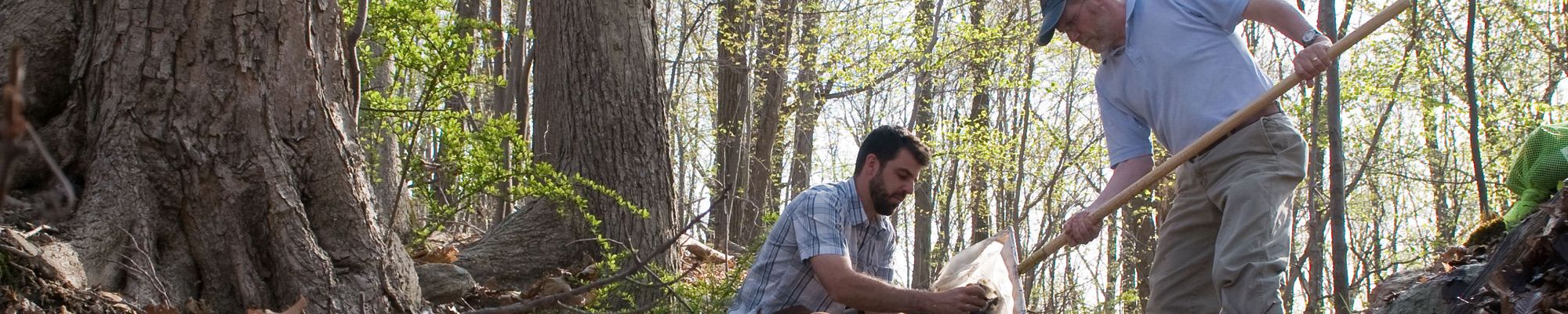
As an environmental studies major, you’ll explore the causes, effects, and tangible solutions to climate change and other environmental crises. Study both science and the humanities with a focus on policy change. Conduct hands-on research with our industry partners like the New York Botanical Garden. And use your knowledge and real-world experience to tackle the most pressing environmental issues of our time, from climate change to building sustainable societies.
Our graduates go on to …
- law school and prestigious graduate programs
- global research organizations
- careers in environmental policy, urban planning, and sustainable business

Environmental studies program profile
 Major
Major
Rose Hill- Minor
Rose Hill  Major
Major
Lincoln Center- Minor
Lincoln Center
Program at a glance
of environmental studies graduates in the past five years were employed, continuing their education, or engaged in public service or other meaningful endeavors within six months of graduation
of environmental studies graduates in the past five years have pursued advanced degrees
of protected forest, lake, and wetland ecosystems at Fordham’s Louis Calder Center biological field station, providing a living laboratory for funded ecological and environmental research
Career Tracks
involving electives, internships, study abroad, and thesis research, including environmental economics and sustainable business, public health, organic agriculture and food security, and environmental law
of the neighboring Bronx Zoo and partnerships with the Wildlife Conservation Society serve as a direct research pipeline for biology professor J. Alan Clark’s research on penguin social behavior, avian vocalizations, and conservation laws
possibilities for environmental studies majors to study aboard, including sustainability in Denmark, tropical ecology and conservation in Costa Rica, coastal ecology in Tanzania, Amazon resource management and cultural ecology in Brazil, and environmental studies in China
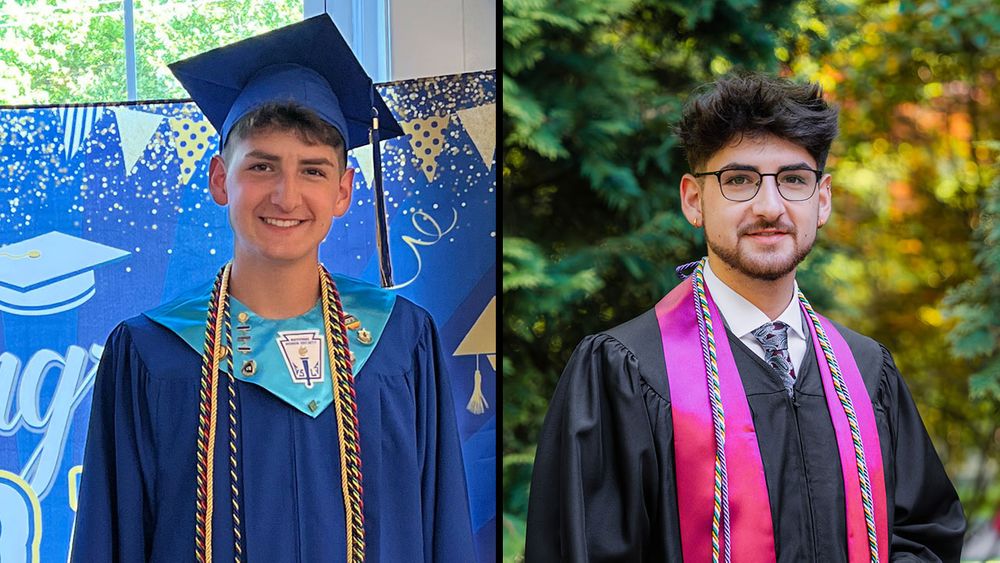
Making a sustainable impact


.jpg)
Environmental studies program FAQs
-
You’ll gain a solid understanding of the complex scientific, economic, political, and ethical interactions and processes that create our home on Earth.
With many specialized tracks, you’ll be able to dive deeper into areas you’re interested in. You might examine historical and cultural aspects with courses like Hazards, Disasters, and Human Experience and Environmental History of the American City, or explore sustainable architecture with courses like Ecology for Designers and Architecture and the Environment.
-
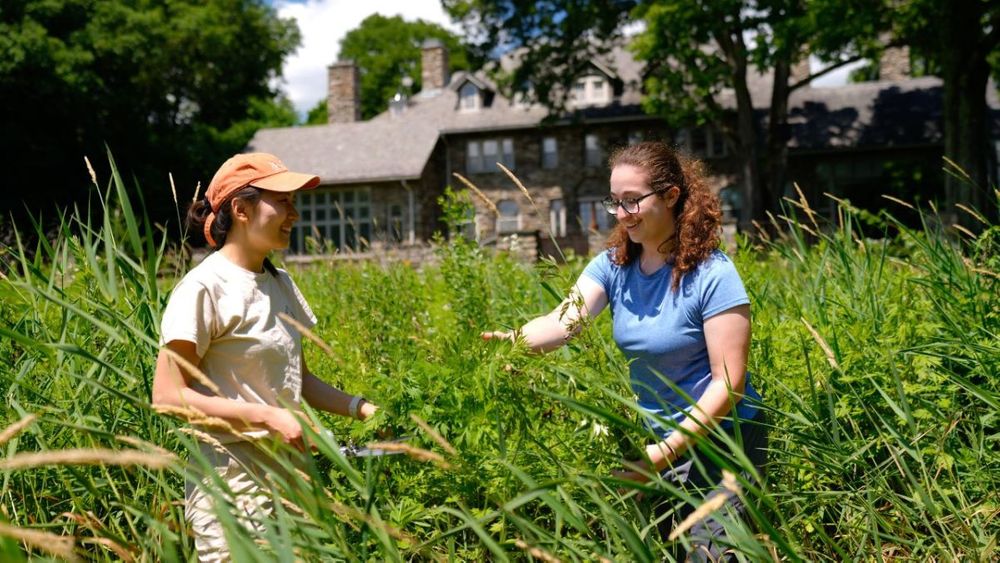
You’ll be able to conduct cutting-edge research on campus at our Center for Urban Ecology and at our 113-acre biological field station, the Louis Calder Center. You’ll also have the opportunity to participate in collaborative projects with the Bronx Research Institute for Community Solutions (BRICS), working toward sustainable solutions for the community.
-
Here, you’ll have unparalleled access to opportunities and connections at some of the top medical, ecological, and conservation organizations, like:
- Bronx River Alliance
- Bronx Zoo/Wildlife Conservation Society
- New York Botanical Garden
- American Museum of Natural History
- Environmental Consortium of Hudson River Colleges and Universities
- Weill Cornell Medicine
-
When you graduate, you’ll be prepared for careers in areas like environmental policy, sustainable development, organic agriculture, and urban planning, to name a few. You’ll also be uniquely qualified to pursue prestigious postgraduate research.
-
At Fordham, you’ll use AI as a tool to enhance your learning. Our program will equip you with the skills to navigate the ever-changing landscape of AI in the workforce. As an environmental studies major, you’ll be able to use AI to advance your own research, preparing you for high-growth roles in areas like biodiversity monitoring, urban planning, and energy grid optimization. You’ll also examine the environmental effects of AI and explore solutions for cleaner energy and more responsible usage.
You’ll be able to earn credentials and paid micro-internships through IBM SkillsBuild’s Getting Started with AI course. All Fordham students and graduates have access to AI training through RamConnect, the University’s alumni and experiential learning platform.
Above all, you’ll learn skills that can’t be replaced by AI, such as critical thinking, creativity, experimentation, and integrity.
E-mail us
- General: [email protected]
- International: [email protected]
- Transfer Students: [email protected]
- Financial Aid: [email protected]
- Find your admission counselor
- Information for counselors
Visit and Chat with us
- Schedule a Visit: [email protected]
Connect with us on social media
- Follow us on Instagram
Request Information