Ph.D. in Applied Developmental Psychology
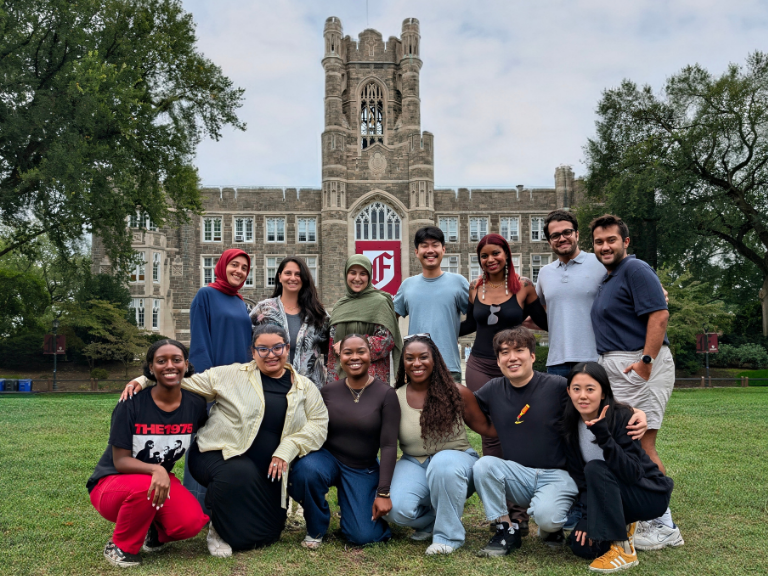
Fordham’s Ph.D. program in Applied Developmental Psychology (ADP) prepares scholars to understand and support human development across the lifespan—with a strong commitment to equity, social justice, and real-world impact. Nationally recognized for research excellence, our program trains students in both the foundations of developmental science and specialized research in key applied areas. Through close collaboration with faculty mentors, hands-on research experience, and rigorous coursework, students in the ADP program explore how developmental processes are shaped by the dynamic interplay of biological, psychological, social, cultural, and structural influences.
Program highlights
- Strong foundation in developmental theories and research methods
- Yearlong practicum in a community-based organization
- Emphasis on ethical decision-making
- Collaboration with Fordham’s highly regarded psychometrics program on statistical analysis of data
Program basics
- Designed as a five-year program for full-time students
- Mentored research apprenticeship in the first two years
- Curriculum requires 66 credits
- Students earn M.A. degree in the first two years
- Dissertation required
- Teaching and research fellowships available
- Most courses are held at Fordham's Rose Hill Campus in the Bronx
Curriculum overview
The ADP curriculum provides a comprehensive foundation in developmental theory, research, and practice, with training in social policy, program evaluation, and teaching. Students complete coursework in developmental foundations, social and cognitive development, and the broader contexts that shape development, including inequities related to race, culture, and health, with a focus on advancing equity and social justice. A robust research sequence includes methodological training, statistics (introductory through advanced quantitative and qualitative methods), and hands-on research apprenticeships leading to the master’s thesis, comprehensive exam, and dissertation. Applied experiences include a two-semester practicum and opportunities to tailor training through electives in areas such as health psychology, developmental psychopathology, and neuroscience. Graduates are prepared for research, teaching, and leadership roles in academic, clinical, policy, and community settings.
Lab-based model of training
The ADP program follows a lab-based mentorship model in which students apply to work closely with a primary faculty mentor, selected from among nine core and affiliate faculty with diverse expertise in developmental science. While most students remain with one mentor throughout the program, changes in mentorship can be made with guidance from the ADP program director. Students also engage with other faculty as readers on their thesis, comprehensive exams, and dissertation, and take courses with faculty across the department, ensuring broad exposure to diverse perspectives and expertise.
Careers
Many graduates go on to work for nonprofit organizations including the Foundation for Child Development, The National Academies of Sciences, Engineering, and Medicine, The College Board, and EmbraceRace. Alumni have gone on to tenure-track and postdoctoral positions at colleges including the State University of New York, University of Virginia, Indiana University, Michigan State University, and Saint Mary’s College of Maryland, as well as postdoctoral work at Yale University, Arizona State University, Mount Sinai Hospital, and the City University of New York.